






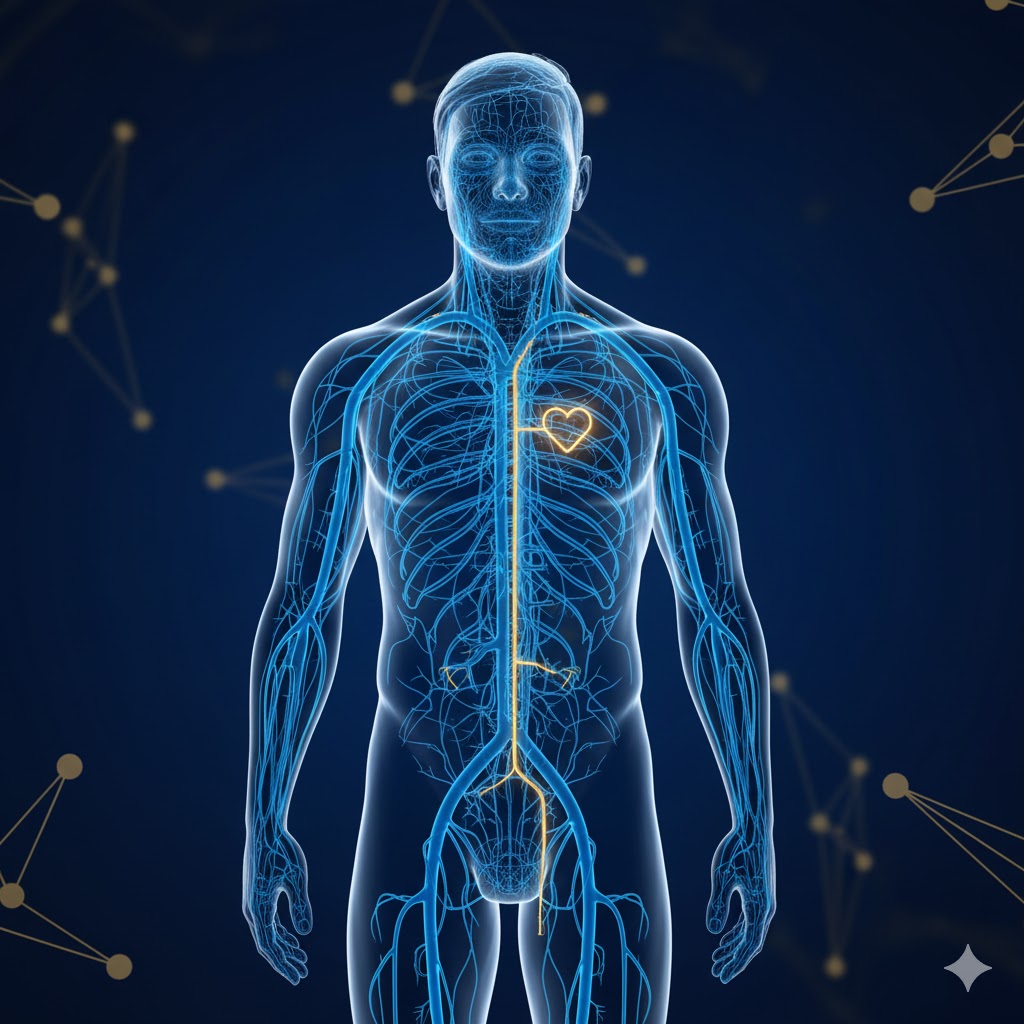
Erectile dysfunction (ED) is rarely caused by a single issue. Most of the time it’s a combination of blood-flow changes, stress biology, hormone signaling, medications, and metabolic health.
If you haven’t read the overview yet, start here: Erectile Dysfunction Guide
This page breaks down the most common ED causes and shows you exactly where to go next based on your situation.
The 5 Most Common Categories of ED Causes
1) Poor Blood Flow (Vascular ED)
The most common cause of ED is reduced blood flow to penile tissue. This can occur from endothelial dysfunction (the inner lining of blood vessels), plaque buildup, or impaired nitric oxide signaling.
Common vascular drivers include:
- high blood pressure
- high cholesterol
- smoking
- sedentary lifestyle
- metabolic syndrome
If ED is new or worsening, vascular risk factors should be assessed early.
Related cluster: Diabetes and erectile dysfunction
Related cluster: Heart disease and ED
2) Metabolic Causes (Blood Sugar + Insulin Resistance)
Blood sugar problems affect erections through both blood vessel damage and nerve dysfunction.
Even “borderline” insulin resistance can reduce nitric oxide availability and impair the blood flow response needed for erection firmness.
Deep dive: Diabetes and erectile dysfunction
3) Stress Biology + Anxiety (Psychogenic ED)
Performance anxiety, chronic stress, and nervous system overload can interrupt the erection pathway even when blood flow is normal.
Stress raises adrenaline and cortisol, which can:
- narrow blood vessels
- reduce arousal signaling
- amplify self-monitoring (“spectatoring”)
- cause inconsistent erections
Deep dive: Performance anxiety ED
4) Porn-Related Arousal Conditioning
Some men experience a mismatch between real-life arousal and high-stimulation content, leading to reduced sensitivity to normal intimacy cues.
This is often linked with:
- arousal novelty dependence
- reduced responsiveness to partner intimacy
- psychological performance pressure
Deep dive: Porn-induced erectile dysfunction
5) Medication Side Effects
Several common medications can impair erections through vascular, neurological, or neurotransmitter changes.
Examples include:
- SSRIs/SNRIs (antidepressants)
- beta blockers and some blood pressure drugs
- some prostate medications
- certain sedatives
Deep dive: Medications that cause erectile dysfunction
What About Low Testosterone?
Low testosterone can reduce libido and may indirectly worsen erections by lowering arousal and weakening the overall sexual response.
However, low testosterone is not the most common cause of ED.
If hormones seem relevant, use the canonical testosterone hub:
Quick Self-Check: Which ED Pattern Fits You?
This isn’t a diagnosis — it helps you choose the right article next.
ED is consistent and worsening over time
More likely: blood flow, metabolic health, medications
Start with: heart disease and diabetes clusters.
ED is inconsistent and tied to pressure/stress
More likely: anxiety/stress biology
Start with: performance anxiety cluster.
ED happens mostly with partners (but not alone)
More likely: stress + arousal conditioning
Start with: porn-induced ED cluster.
ED started after a new prescription
More likely: medication side effects
Start with: medications cluster.
When ED May Be a Warning Sign
ED can appear years before symptoms of cardiovascular disease because penile arteries are smaller and more sensitive to early vessel dysfunction.
If you also notice:
- reduced exercise tolerance
- shortness of breath
- chest tightness
- elevated blood pressure
- rapidly increasing waistline
…it may be worth discussing cardiovascular screening with a clinician.
Identify Your Most Likely ED Cause
Choose the closest match below to go deeper (and avoid guessing).