Stay Informed With Trusted Health Insights
Join 5,000+ readers who receive evidence-informed health articles, wellness tips, supplement reviews, and practical health guides delivered straight to their inbox.
Get Free Health UpdatesNo spam. Just helpful health education, updates, and resources.
Are you doing everything “right” for your thyroid — but still not feeling better?
You’re not alone.
Millions of women take thyroid medication, follow special diets, or try natural remedies… yet continue to feel tired, foggy, anxious, or out of balance.
The truth is, most women are missing key pieces of the thyroid puzzle — not because they’re careless, but because thyroid health is complex.
In this article, we’ll reveal the most common mistakes that keep thyroid symptoms lingering — and the simple, natural fixes that help you finally feel like yourself again.
💡 If you’re new to thyroid health, start with The Complete Guide to Thyroid Health for Women.
⚙️ Mistake #1: Focusing Only on Medication and Ignoring Root Causes
Thyroid medication can be life-changing — but it doesn’t solve everything.
Most prescriptions replace hormones, but they don’t address why your thyroid slowed down (or sped up) in the first place.
Root causes often include:
- Chronic stress and high cortisol
- Nutrient deficiencies (selenium, zinc, magnesium, iodine)
- Blood sugar imbalances
- Gut or liver sluggishness
- Hormonal shifts during menopause or postpartum
If these underlying issues stay unaddressed, your thyroid remains unstable — even with the “perfect” dosage.
🌿 Learn how nutrition supports your thyroid in 10 Essential Vitamins and Minerals for a Healthy Thyroid.
🥗 Mistake #2: Ignoring Diet’s Impact on Thyroid Balance
Food is information for your hormones.
A thyroid-supportive diet gives your body the building blocks it needs to make and activate hormones.
Yet many women:
- Eat too few calories (slowing metabolism further)
- Rely on processed, low-nutrient foods
- Overconsume goitrogens (raw cruciferous veggies, soy)
- Skip protein and healthy fats
A balanced, thyroid-friendly diet includes:
- Iodine and selenium (seaweed, Brazil nuts, fish)
- Magnesium (leafy greens, avocados, dark chocolate)
- Zinc (pumpkin seeds, lentils, poultry)
- B vitamins (eggs, whole grains)
🍎 See our detailed food guide: The Best Thyroid-Friendly Diet for Women.
🧘♀️ Mistake #3: Overlooking Stress and Its Hidden Hormonal Effects
If you’ve been under constant pressure — emotionally, mentally, or physically — your thyroid feels it.
Stress triggers cortisol, which directly interferes with thyroid hormone conversion and cellular sensitivity.
High cortisol can:
- Block the conversion of inactive T4 to active T3
- Exhaust your adrenals
- Weaken immunity and trigger autoimmune thyroid issues
Chronic stress keeps your body in “fight or flight,” making it impossible for your thyroid to recover.
Simple fixes:
- Deep breathing or meditation 10 minutes daily
- Gentle movement instead of intense workouts
- Regular sleep and short screen-free breaks
💆♀️ See how to balance cortisol naturally in How Stress Impacts Your Thyroid (and Natural Ways to Restore Balance).
💧 Mistake #4: Ignoring Hydration and Mineral Balance
Your thyroid needs trace minerals — but stress, coffee, and processed foods deplete them quickly.
Even mild dehydration can slow metabolism and make you feel sluggish.
Hydration checklist:
✅ 2 L of water per day
✅ Add electrolytes or a pinch of Himalayan salt
✅ Limit alcohol and excess caffeine
Small hydration improvements can noticeably boost energy and focus.
💊 Mistake #5: Not Supporting the Adrenal–Thyroid Connection
The adrenal glands and thyroid work together.
When stress is high, the adrenals flood your body with cortisol — and your thyroid responds by slowing metabolism to conserve energy.
Ignoring adrenal health means your thyroid never gets a chance to stabilize.
Support both glands by:
- Eating balanced meals (protein + fiber + healthy fats)
- Sleeping before midnight
- Using adaptogens like Ashwagandha and Schisandra
🌿 These adaptogens are part of Thyrafemme, a 14-in-1 blend that supports thyroid balance and reduces cortisol naturally.
🌡️ Mistake #6: Self-Diagnosing Without Testing
It’s easy to rely on symptoms or internet advice — but lab tests reveal what’s really happening.
Ask your doctor for:
- TSH (Thyroid Stimulating Hormone)
- Free T3 & Free T4
- Reverse T3
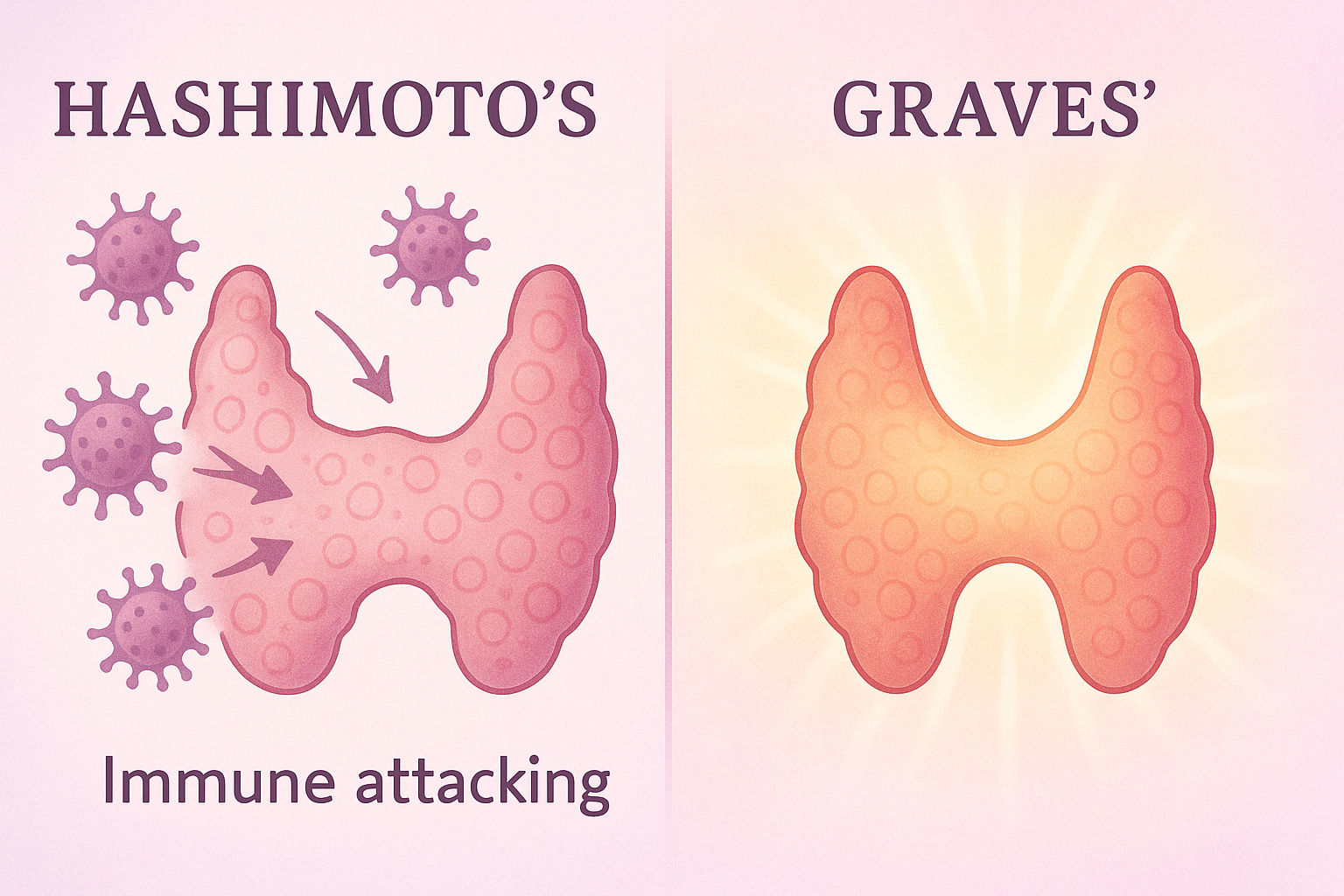
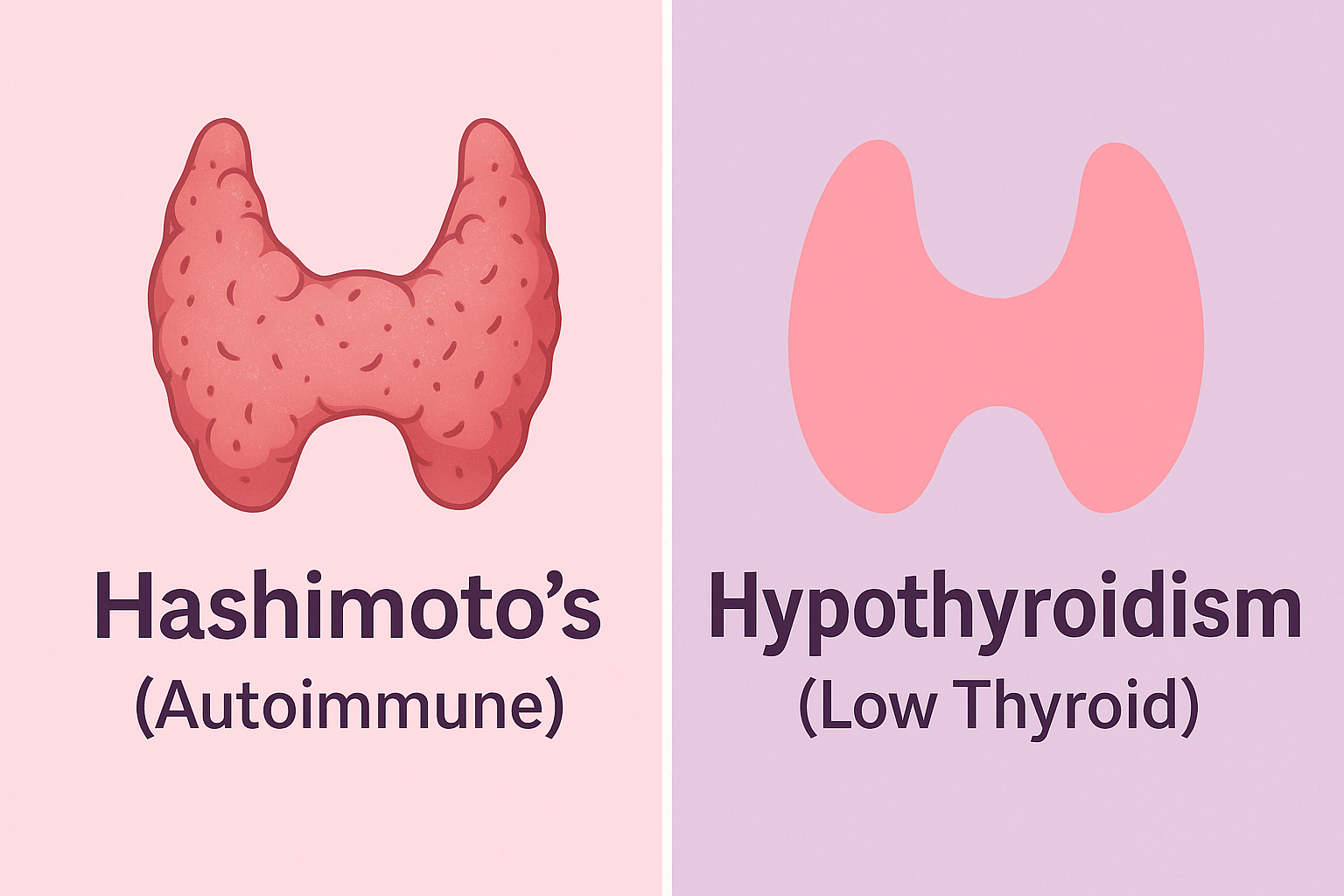
- Thyroid Antibodies (to check for Hashimoto’s or Graves’)
Testing provides clarity and helps you track progress as you restore balance naturally.
⚡ If you’re unsure whether your thyroid is overactive or underactive, read Signs of an Overactive Thyroid and Signs of an Underactive Thyroid.
🕰️ Mistake #7: Expecting Overnight Results
Thyroid healing takes time — it’s not a quick reset.
Your hormones respond slowly to new habits, nutrients, and supplements.
Be patient.
Most women notice improvements in energy, focus, and mood within 6–8 weeks of consistent support.
Small, daily habits compound into major transformation — especially when stress and nutrition are finally in sync.
💕 How to Get Back on Track Naturally
If you’re ready to reset, focus on three pillars of thyroid recovery:
1️⃣ Nourish with key nutrients — iodine, selenium, zinc, magnesium, B12.
2️⃣ Reduce stress and support adrenals — through rest, breathing, and adaptogens.
3️⃣ Stay consistent — daily care compounds into lasting balance.
That’s exactly where Thyrafemme helps.
This 14-in-1 formula combines thyroid-specific nutrients and adaptogenic herbs to address root causes, not just symptoms.
It includes:
- Iodine (from kelp) for natural hormone synthesis
- Selenium & Zinc for proper hormone conversion
- Ashwagandha & Schisandra to calm cortisol
- Magnesium & B12 for steady energy and mood
Thyrafemme is vegan, non-GMO, gluten-free, and made in an FDA-registered facility — ideal for women seeking gentle, consistent support.
🌸 Learn more in our full Thyrafemme Review: Benefits, Ingredients & Results.
🌙 Key Takeaways
- Thyroid healing is holistic — not just about medication.
- Diet, stress, hydration, and adrenal health all influence your hormones.
- Testing and consistency create clarity and results.
- Natural support with adaptogens and nutrients restores balance from the inside out.
🌿 When your thyroid and adrenals work together, energy, mood, and focus return effortlessly.
❓ FAQ Section
1️⃣ Why do thyroid symptoms persist even on medication?
Because medication replaces hormones but doesn’t address nutrient or adrenal imbalances that cause thyroid issues.
2️⃣ What are the biggest lifestyle mistakes women make with thyroid health?
Ignoring stress, poor diet, dehydration, and lack of sleep are the most common.
3️⃣ Can diet improve thyroid symptoms?
Yes — nutrient-rich foods help your body produce and convert thyroid hormones more efficiently.
4️⃣ How does stress worsen thyroid imbalance?
High cortisol blocks thyroid hormone activation and weakens adrenal function.
5️⃣ Which nutrients are most important for thyroid recovery?
Iodine, selenium, zinc, magnesium, and B12.
6️⃣ How long does thyroid healing take?
Most women notice improvements within 6–8 weeks of consistent lifestyle and nutritional support.
7️⃣ Can dehydration affect thyroid function?
Yes. Water and minerals are essential for hormone transport and metabolism.
8️⃣ How can I support my adrenals naturally?
Sleep, balanced meals, gentle exercise, and adaptogens like Ashwagandha.
9️⃣ Is Thyrafemme safe for daily use?
Yes. It’s a natural, non-stimulant formula made in an FDA-registered facility.
🔟 What’s the first step to fixing thyroid mistakes?
Identify triggers (stress, diet, lifestyle), make small daily improvements, and nourish consistently.
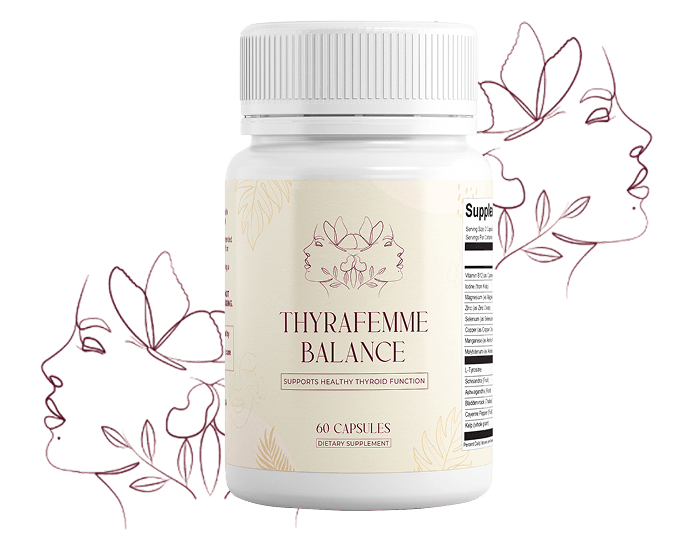
Stop making these common thyroid mistakes. Thyrafemme provides comprehensive support that addresses nutrient gaps, stress, and adrenal-thyroid connection simultaneously.
- Contains all essential thyroid nutrients often missed in diets
- Ashwagandha & Schisandra address stress and cortisol balance
- Supports both thyroid and adrenal glands together
- Easy daily consistency with 14-in-1 comprehensive formula

Medically Reviewed for Accuracy
This content has been reviewed for accuracy and clarity by The Health Knowledge Base Medical Review Team, using current research and evidence-based health guidance.
Our review process helps ensure that information related to health, wellness, nutrition, lifestyle strategies, and natural support topics reflects current scientific understanding and responsible editorial standards.
Written by The Health Knowledge Base Editorial Team
Our editorial team consists of health researchers, wellness writers, and content specialists focused on creating clear, practical, and research-informed health content.
We publish educational articles designed to help readers better understand health topics, explore natural wellness strategies, and make more informed lifestyle decisions with confidence.
Affiliate Transparency, Medical Disclaimer & Safety Notice
At The Health Knowledge Base, we take pride in being a trusted resource and affiliate partner with select, high-quality companies. We choose these partnerships carefully because we genuinely believe their products, services, and educational resources align with the values and mission of our website.
When you purchase through certain links on this site, we may receive a small commission or compensation. This helps support our research, content creation, and ongoing work at no additional cost to you. Your price remains exactly the same.
Medical Disclaimer
The information provided by The Health Knowledge Base is for general informational and educational purposes only and is not a substitute for professional medical advice, diagnosis, or treatment.
Always seek the advice of your physician, doctor, or another qualified healthcare provider with any questions you may have regarding a medical condition, symptoms, treatment options, diet changes, exercise programs, or supplements.
Never disregard professional medical advice or delay in seeking it because of something you have read on this website.
Critical Safety Notice
Before making any changes to your diet, starting a new fitness or wellness routine, or taking any supplements mentioned on this site, you should consult with your doctor, physician, or another qualified healthcare professional. Reliance on any information provided by The Health Knowledge Base is solely at your own risk.
View our Affiliate Disclosure → | View our Medical Disclaimer →