Stay Informed With Trusted Health Insights
Join 5,000+ readers who receive evidence-informed health articles, wellness tips, supplement reviews, and practical health guides delivered straight to their inbox.
Get Free Health UpdatesNo spam. Just helpful health education, updates, and resources.
🩺 Introduction
For centuries, hawthorn has been used across Europe and Asia as a natural heart-healing herb.
Today, modern science is confirming what traditional healers already knew — hawthorn’s unique compounds can help support healthy blood pressure and circulation naturally.
In this article, we’ll explore how hawthorn works, what the research shows, and how to use it safely as part of a holistic heart-health plan.
(Related Reading: The Complete Guide to Lowering Blood Pressure Naturally)
🌿 What Is Hawthorn?
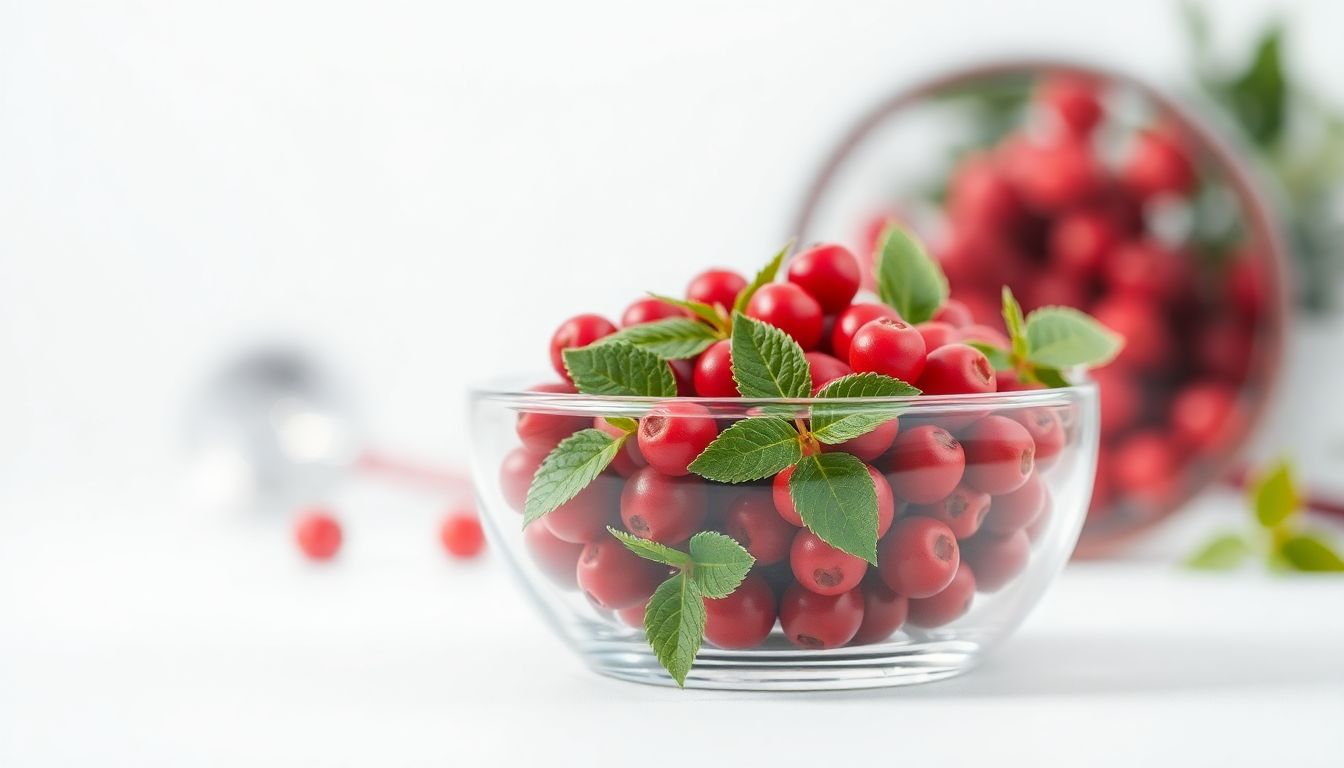
Hawthorn (Crataegus spp.) is a small flowering shrub in the rose family.
Its berries, leaves, and flowers have all been used for centuries in traditional European and Chinese medicine to:
- Strengthen the heart muscle
- Improve blood flow
- Calm nervous tension
Hawthorn is rich in flavonoids and oligomeric procyanidins (OPCs) — potent antioxidants that protect blood vessels from oxidative stress.
❤️ How Hawthorn Supports Blood Pressure
Hawthorn promotes balanced blood pressure through several mechanisms:
- Improves circulation:
It helps arteries relax and widen, reducing resistance and easing the heart’s workload. - Acts as a mild vasodilator:
Hawthorn gently opens blood vessels, allowing smoother blood flow. - Supports nitric oxide production:
This natural molecule signals the arteries to relax, improving flexibility. - Protects blood vessel walls:
Antioxidants in hawthorn defend against inflammation and plaque buildup. - Reduces anxiety and stress:
By calming the nervous system, hawthorn may prevent stress-induced pressure spikes.
(Also read: How Stress Affects Blood Pressure (and Natural Remedies That Work))
📊 What the Science Says
Multiple studies show hawthorn can help lower both systolic and diastolic blood pressure — especially in people with mild hypertension.
- A 2010 review in the British Journal of General Practice found that hawthorn extract significantly improved blood pressure in hypertensive participants.
- Another clinical trial with 79 adults found a 10 mmHg drop in systolic pressure after 12 weeks of hawthorn extract.
- Hawthorn also enhanced arterial elasticity and reduced fatigue in patients with early-stage heart conditions.
(Also read: Best Natural Supplements to Lower Blood Pressure)
🧘♀️ Best Ways to Use Hawthorn
1. Tea or Tincture:
Steep 1–2 teaspoons of dried hawthorn berries or leaves in hot water for 10–15 minutes.
Drink once or twice daily.
2. Capsules or Extracts:
Standardized hawthorn extract (300–500 mg, 2–3× per day) is more concentrated and easier to dose.
3. Combination Formulas:
Hawthorn is often blended with other heart-supporting herbs such as garlic, hibiscus, and saffron, as in BP Zone® by Zenith Labs.
(Also read: BP Zone Review: Benefits, Ingredients, and Results)
⚠️ Safety, Side Effects, and Precautions
Hawthorn is considered safe for most adults when taken as directed.
However, always talk to your doctor if you:
- Take beta-blockers, nitrates, or digoxin
- Have very low blood pressure
- Are pregnant or breastfeeding
Mild dizziness or nausea can occur if the dose is too high.
(Also read: Is It Safe to Take Blood Pressure Supplements with Medication?)
🧩 The Perfect Herbal Partner
Hawthorn works best when combined with:
- Garlic: natural vasodilator that enhances circulation
- Hibiscus: helps relax arteries and lower pressure
- Saffron: supports endothelial function and mood balance
- CoQ10 and Magnesium: energize heart cells and vessel flexibility
(Also read: Garlic for Blood Pressure: Nature’s Natural Vasodilator)
🕒 How Long It Takes to See Results
Most people notice improved energy and calmness within 1–2 weeks, and measurable blood pressure improvement after 4–8 weeks of daily use.
(Learn more: How Long Do Natural Remedies Take to Lower Blood Pressure?)
❓ FAQs — Hawthorn and Blood Pressure
- Can hawthorn really lower blood pressure?
Yes. Studies show consistent use can gently reduce systolic and diastolic pressure. - Is hawthorn safe to take long-term?
Generally yes, but consult your doctor if you take heart medication. - Does hawthorn work better as tea or supplement?
Extract capsules deliver more consistent results, while tea offers gentle daily support. - Can hawthorn help anxiety?
Yes — it naturally calms the nervous system, helping prevent stress-related spikes. - Can I combine hawthorn with garlic or hibiscus?
Yes, they complement each other for stronger cardiovascular support. - Are there any side effects?
Mild dizziness or stomach upset may occur if overused. - Can hawthorn interact with prescription drugs?
It may enhance the effect of beta-blockers or nitrates — seek medical advice first. - How long before I notice results?
Usually within 4–8 weeks of regular use. - Can hawthorn replace medication?
No. It’s a complementary support, not a prescription replacement. - Who should avoid hawthorn?
Pregnant women, nursing mothers, or anyone with very low blood pressure.
❤️ Final Thoughts
Hawthorn bridges the wisdom of herbal medicine with modern cardiovascular science.
Its ability to support healthy circulation, lower pressure, and reduce stress makes it a valuable part of any natural heart-care routine.
Start small, stay consistent, and consult your doctor if you’re taking prescription medication — nature’s heart helper may soon become one of your favorite wellness allies.
(Also read: The Complete Guide to Lowering Blood Pressure Naturally)


Medically Reviewed for Accuracy
This content has been reviewed for accuracy and clarity by The Health Knowledge Base Medical Review Team, using current research and evidence-based health guidance.
Our review process helps ensure that information related to health, wellness, nutrition, lifestyle strategies, and natural support topics reflects current scientific understanding and responsible editorial standards.
Written by The Health Knowledge Base Editorial Team
Our editorial team consists of health researchers, wellness writers, and content specialists focused on creating clear, practical, and research-informed health content.
We publish educational articles designed to help readers better understand health topics, explore natural wellness strategies, and make more informed lifestyle decisions with confidence.
Affiliate Transparency, Medical Disclaimer & Safety Notice
At The Health Knowledge Base, we take pride in being a trusted resource and affiliate partner with select, high-quality companies. We choose these partnerships carefully because we genuinely believe their products, services, and educational resources align with the values and mission of our website.
When you purchase through certain links on this site, we may receive a small commission or compensation. This helps support our research, content creation, and ongoing work at no additional cost to you. Your price remains exactly the same.
Medical Disclaimer
The information provided by The Health Knowledge Base is for general informational and educational purposes only and is not a substitute for professional medical advice, diagnosis, or treatment.
Always seek the advice of your physician, doctor, or another qualified healthcare provider with any questions you may have regarding a medical condition, symptoms, treatment options, diet changes, exercise programs, or supplements.
Never disregard professional medical advice or delay in seeking it because of something you have read on this website.
Critical Safety Notice
Before making any changes to your diet, starting a new fitness or wellness routine, or taking any supplements mentioned on this site, you should consult with your doctor, physician, or another qualified healthcare professional. Reliance on any information provided by The Health Knowledge Base is solely at your own risk.
View our Affiliate Disclosure → | View our Medical Disclaimer →