Stay Informed With Trusted Health Insights
Join 5,000+ readers who receive evidence-informed health articles, wellness tips, supplement reviews, and practical health guides delivered straight to their inbox.
Get Free Health UpdatesNo spam. Just helpful health education, updates, and resources.
Why Back Pain Is So Common – and So Often Mismanaged
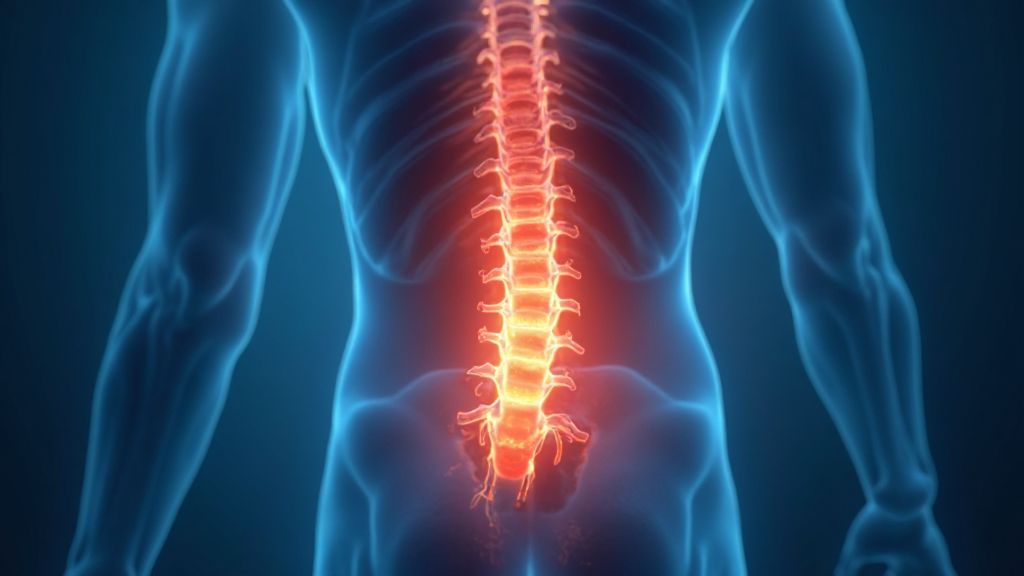
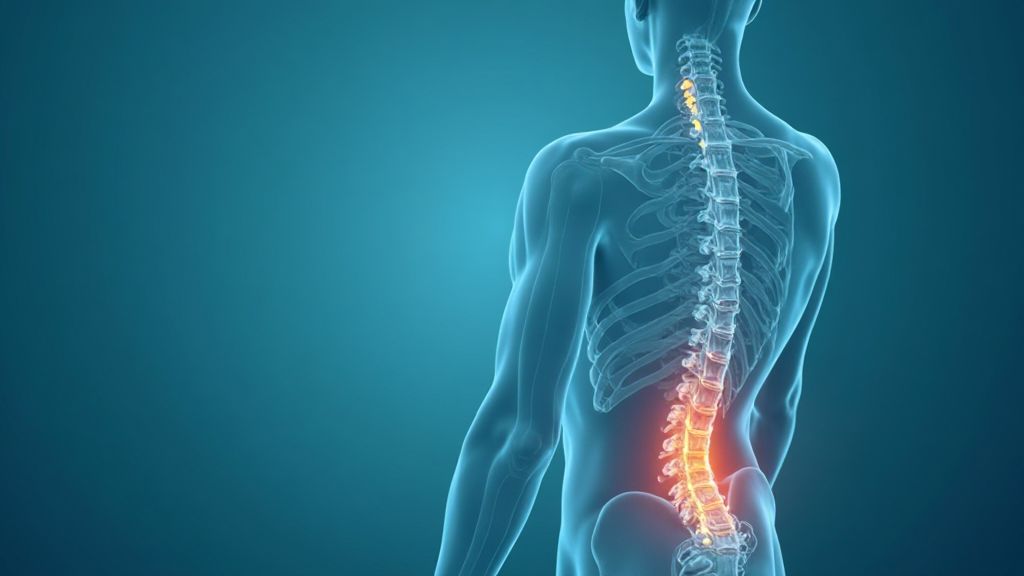
Back pain is one of the leading causes of disability worldwide, yet it remains one of the most misunderstood health conditions. Many people are told their pain is “just muscular,” “age-related,” or something they must learn to live with. Others are given short-term solutions – painkillers, rest, or injections – without ever addressing the underlying drivers.
The reality is that back pain is rarely caused by a single issue. It is usually the result of interacting systems involving muscles, spinal structures, nerves, and inflammation. When these systems are treated in isolation, pain often returns.
This guide serves as a foundational resource for understanding back pain from a root-cause perspective and connects you to deeper, condition-specific resources throughout the Back Pain Hub.
➡️ For a full overview of related conditions and guides, visit the Back Pain Hub
What Back Pain Really Is (and Why Labels Can Be Misleading)
“Back pain” is not a diagnosis—it is a symptom. Pain can originate from:
- Muscles and connective tissue
- Spinal discs and facet joints
- Compressed or irritated nerves
- Systemic inflammation affecting pain sensitivity
Two people with the same MRI findings can experience vastly different pain levels. This is why structural findings alone rarely explain chronic discomfort. Understanding which system is driving the pain is the first step toward lasting relief.
Acute vs Chronic Back Pain: A Critical Distinction
Acute Back Pain
- Develops suddenly (strain, injury, improper lifting)
- Often resolves within weeks
- Primarily mechanical or muscular
Chronic Back Pain
- Persists longer than 12 weeks
- Often continues after tissues “heal”
- Strongly influenced by inflammation, nerve sensitization, and muscular imbalance
Chronic pain requires a different strategy than acute injury management.
The Four Core Mechanisms Behind Most Back Pain
Nearly all back pain falls into one (or more) of the following categories.
1. Muscular and Movement-Related Pain
Muscle tension, weakness, and poor movement patterns are among the most common contributors to back pain.
- Prolonged sitting
- Weak core or glute muscles
- Overuse of compensating muscle groups
- Reduced spinal mobility
➡️ Explore this further in the Lower Back Pain Silo
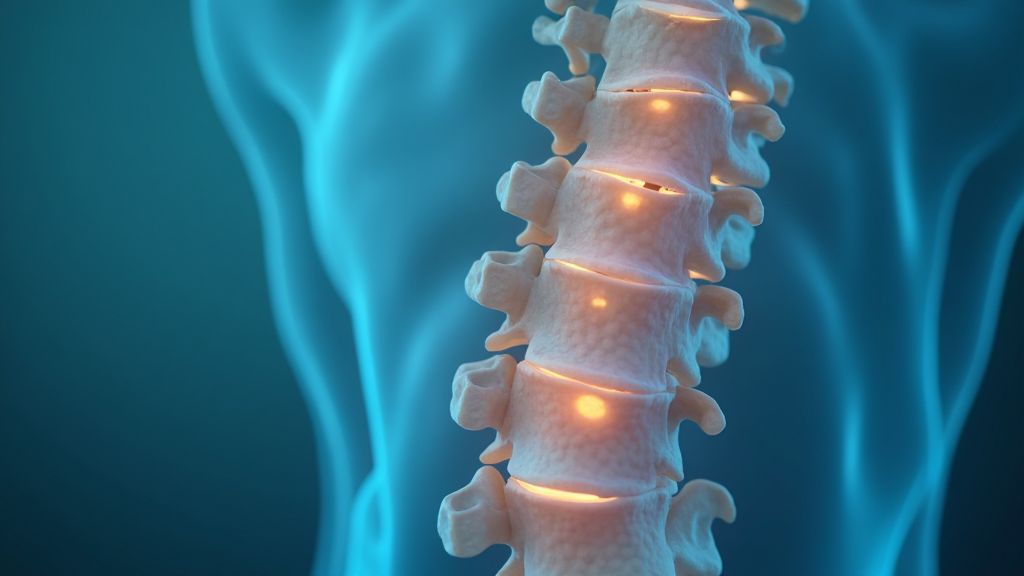
2. Structural Pain (Discs, Joints, and Spine)
Structural back pain involves physical changes in the spine, such as bulging or herniated discs and facet joint irritation.
➡️ Learn more in the Spine & Disc Pain Silo
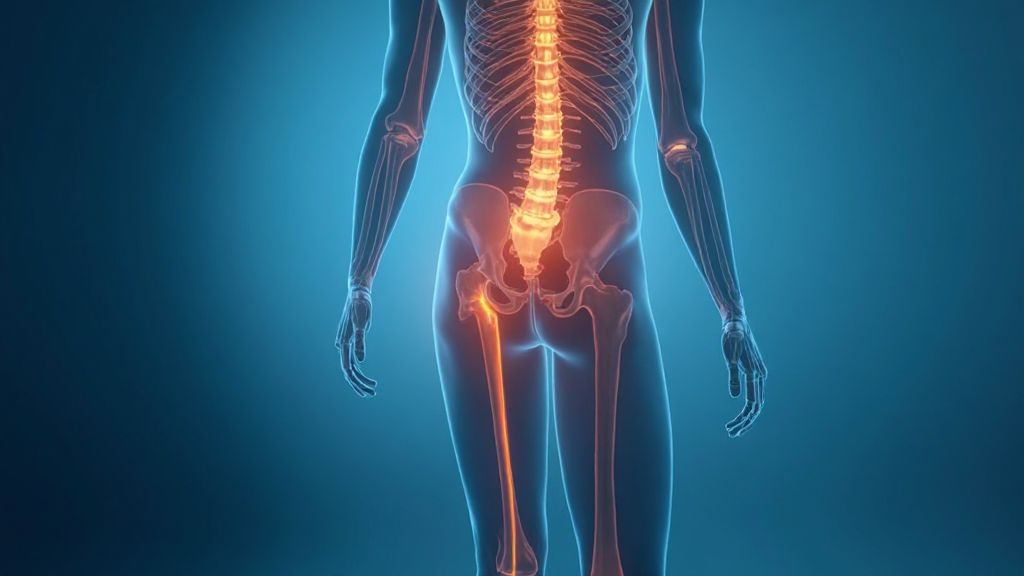
3. Nerve-Related Back Pain (Including Sciatica)
Nerve pain is often described as burning, shooting, electric, or radiating down the leg or into the hips.
➡️ See the dedicated Sciatica & Nerve Pain Silo
4. Inflammation and Pain Sensitization
Inflammation plays a major role in persistent and recurring back pain. Even after tissues heal, low-grade inflammation can increase nerve sensitivity.
➡️ Deep dive in the Inflammation & Chronic Back Pain Silo
Why Symptom-Only Treatments Often Fail
Many conventional treatments focus on suppressing pain rather than resolving its source.
- Painkillers: Reduce symptoms without restoring function.
- Injections: Provide temporary relief.
- Rest: Leads to muscle deconditioning.
- Surgery: Addresses structure but not inflammation or nerve health.
Movement, Posture, and Recovery Foundations
Sustainable back health depends on restoring balanced muscle activation, spinal mobility, and proper load distribution.
- Gentle strengthening (especially core and glutes)
- Daily movement variability
- Reducing prolonged static postures
- Gradual reintroduction of load
Nutritional and Supplement Support (Foundational, Non-Branded)
While no supplement “cures” back pain, targeted nutritional support can help address underlying contributors.
- Magnesium: For muscle relaxation and nerve signaling.
- Omega-3 fatty acids: For inflammatory balance.
- B-vitamins: For nerve health.
- Collagen: For connective tissue integrity.
- Antioxidants: Support tissue recovery.
When Back Pain Requires Medical Evaluation
Seek professional care if back pain is accompanied by:
- Progressive weakness or numbness
- Loss of bladder or bowel control
- Severe pain following trauma
- Unexplained weight loss or fever
- Night pain that does not improve with position changes
How to Use This Back Pain Resource
This Pillar Page acts as your starting point.
- Identify which pain mechanism fits your symptoms.
- Explore the relevant silo in detail.
- Apply foundational movement and lifestyle strategies.
- Use nutritional support as a complement, not a substitute.
➡️ Return to the Back Pain Hub to explore all guides.
FAQs
- What is the most common cause of back pain?
Muscle imbalance, prolonged sitting, and poor movement patterns are leading contributors. - Why does back pain become chronic?
Persistent inflammation, nerve sensitization, and unresolved movement issues are common drivers. - Is disc degeneration always painful?
No. Many people have disc changes without pain. - How do I know if my pain is nerve-related?
Nerve pain often burns, shoots, or radiates into the legs or hips. - Can inflammation cause back pain without injury?
Yes. Systemic inflammation can heighten pain sensitivity even without tissue damage. - Is rest good for back pain?
Short-term rest may help acute injury, but prolonged inactivity often worsens pain. - Are supplements enough to fix back pain?
No. Supplements support recovery but should be combined with movement and lifestyle changes. - Why do painkillers stop working over time?
They reduce symptoms but do not address root causes. - Can posture alone cause back pain?
Poor posture contributes, but it is usually one factor among many. - When should I see a specialist?
If pain worsens, spreads, or includes neurological symptoms.
Explore Back Pain by Root Cause
Back pain can originate from muscles, discs, nerves, or inflammation. Explore the focused guides below to understand what may be driving your symptoms.
Start here for a comprehensive guide to back pain causes, relief strategies & long-term spine health.

Medically Reviewed for Accuracy
This content has been reviewed for accuracy and clarity by The Health Knowledge Base Medical Review Team, using current research and evidence-based health guidance.
Our review process helps ensure that information related to health, wellness, nutrition, lifestyle strategies, and natural support topics reflects current scientific understanding and responsible editorial standards.
Written by The Health Knowledge Base Editorial Team
Our editorial team consists of health researchers, wellness writers, and content specialists focused on creating clear, practical, and research-informed health content.
We publish educational articles designed to help readers better understand health topics, explore natural wellness strategies, and make more informed lifestyle decisions with confidence.
Affiliate Transparency, Medical Disclaimer & Safety Notice
At The Health Knowledge Base, we take pride in being a trusted resource and affiliate partner with select, high-quality companies. We choose these partnerships carefully because we genuinely believe their products, services, and educational resources align with the values and mission of our website.
When you purchase through certain links on this site, we may receive a small commission or compensation. This helps support our research, content creation, and ongoing work at no additional cost to you. Your price remains exactly the same.
Medical Disclaimer
The information provided by The Health Knowledge Base is for general informational and educational purposes only and is not a substitute for professional medical advice, diagnosis, or treatment.
Always seek the advice of your physician, doctor, or another qualified healthcare provider with any questions you may have regarding a medical condition, symptoms, treatment options, diet changes, exercise programs, or supplements.
Never disregard professional medical advice or delay in seeking it because of something you have read on this website.
Critical Safety Notice
Before making any changes to your diet, starting a new fitness or wellness routine, or taking any supplements mentioned on this site, you should consult with your doctor, physician, or another qualified healthcare professional. Reliance on any information provided by The Health Knowledge Base is solely at your own risk.
View our Affiliate Disclosure → | View our Medical Disclaimer →