





Why These Two Supplements Are Linked to Spine Pain
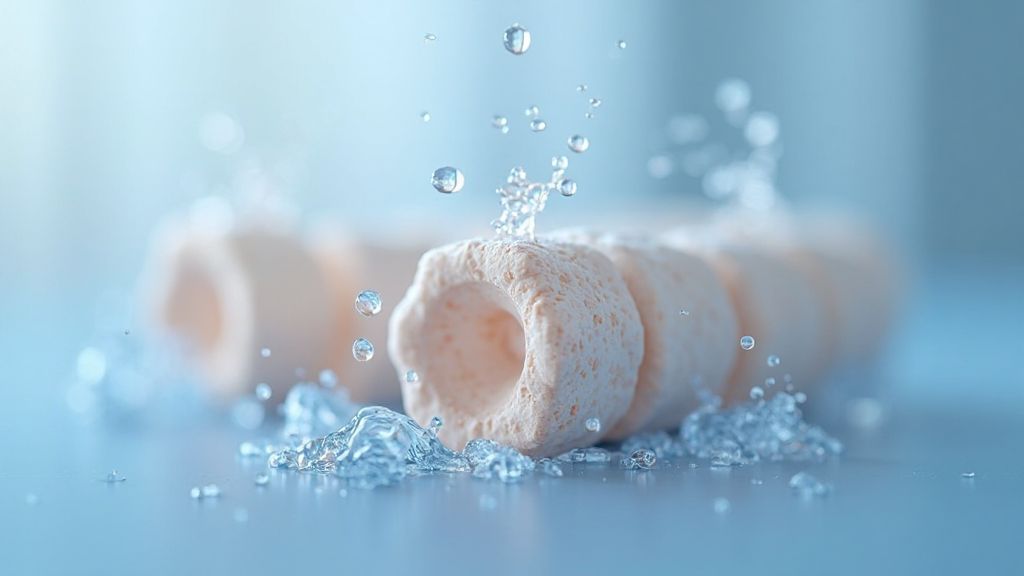
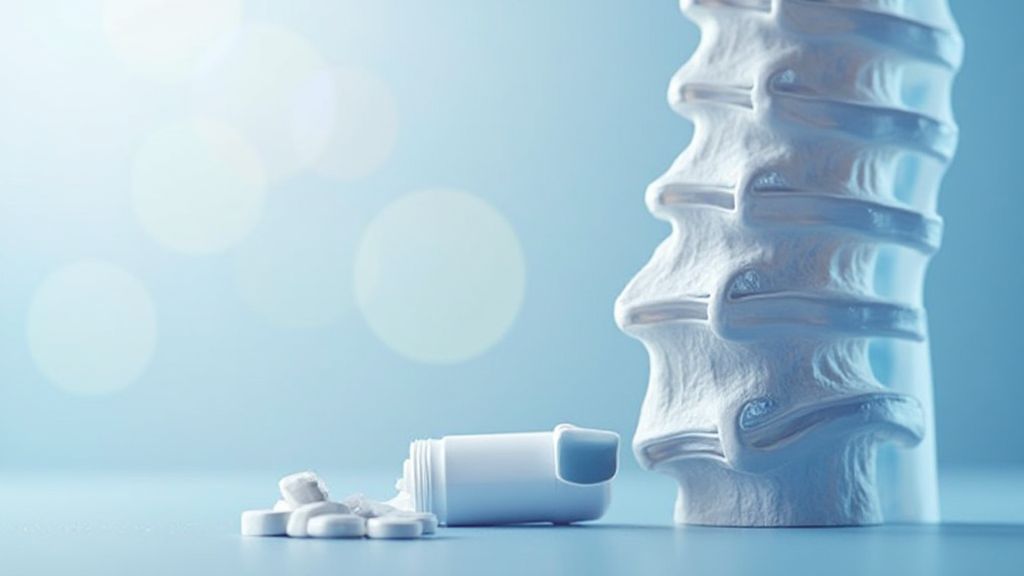
Glucosamine and chondroitin are widely associated with joint health, especially knees and hips. As a result, many people with disc-related back pain assume these supplements can repair discs, cushion the spine, or reverse degeneration.
The truth is more specific. Glucosamine and chondroitin play a role in cartilage and connective tissue support, but spinal discs are not cartilage in the traditional sense. Understanding where these supplements help—and where they don’t—prevents unrealistic expectations and misuse.
Structural Overview: Spine and Disc Pain: Structural Causes & Natural Support
What Glucosamine and Chondroitin Actually Do
These compounds are naturally present in the body and are involved in:
- Supporting cartilage structure
- Maintaining extracellular matrix integrity
- Retaining water within connective tissue
They are best studied in articular cartilage (the smooth tissue at the ends of bones), not spinal discs.
How Spinal Discs Differ From Joint Cartilage
This distinction is critical to understanding why supplement results vary.
- Joint Cartilage: Covers bone surfaces and reduces friction in “hinge” or “ball-and-socket” joints.
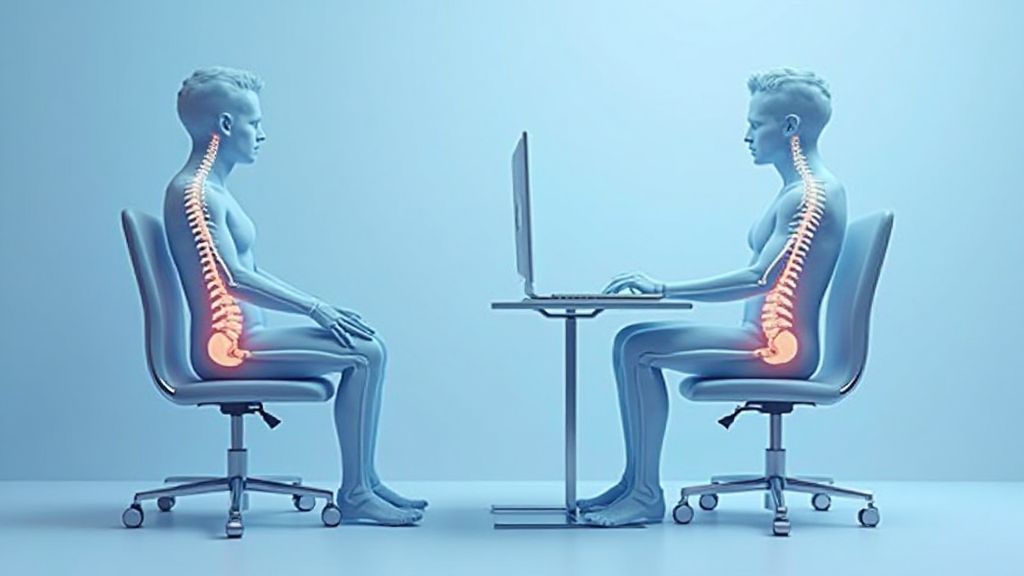
- Spinal Discs: These are fibrocartilaginous structures designed for multidirectional load distribution.
Discs rely more on collagen fiber integrity and proteoglycan content to manage hydration. This means results seen in knee arthritis studies do not directly translate to disc regeneration.
Related Context: Can Spinal Discs Regenerate Naturally?
What the Evidence Suggests for Spine Health
Current evidence suggests glucosamine and chondroitin may:
- Support connective tissue hydration.
- Reduce low-grade inflammatory signaling.
- Improve comfort in some chronic joint conditions.
However, it is important to note:
- There is no strong evidence they regenerate spinal discs.
- Disc height restoration has not been demonstrated in clinical trials.
- Structural disc changes remain unchanged on imaging (MRI/X-ray).
Any benefit is typically functional (movement comfort) rather than structural (rebuilding tissue).
Potential Role in Disc-Related Pain
When disc-related pain involves secondary joint irritation, such as facet joint stress or generalized connective tissue wear, glucosamine and chondroitin may help indirectly. They support the surrounding joint tissues rather than “fixing” the disc itself. This distinction explains why some users report relief while others do not.
Why Some People Report Relief (And Others Don’t)
Reported benefits vary due to:
- Individual inflammatory burden: Those with inflammation-dominant patterns may notice subtle improvements.
- Pain Source: Disc-driven pain vs. joint-driven pain.
- Baseline Health: The existing state of your connective tissues.
Deep Dive: Inflammation and Chronic Back Pain: Root Causes & Relief
Healing Timelines
Even when helpful, these supplements:
- Act slowly: They are not immediate painkillers.
- Require consistency: They must be taken for weeks to months to see a change in tissue environment.
Disc recovery is naturally slow due to a limited blood supply, a process explained here:
Recovery Insight: Why Spinal Discs Heal Slowly
How These Supplements Compare to Collagen
Glucosamine and chondroitin differ from collagen in their primary function:
- Collagen: Supports tensile strength and the physical “scaffolding” of the disc.
- Glucosamine/Chondroitin: Support the “filler” or matrix hydration and resilience.
Neither is a “magic bullet,” but they may work together to support the overall tissue environment.
Safety and Considerations
- Tolerance: Usually well-tolerated by most individuals.
- Interactions: May interact with blood-thinning medications (like Warfarin).
- Allergies: Many formulations are derived from shellfish; alternative vegan sources should be sought by those with allergies.
Always consult a healthcare professional before starting a long-term supplement regimen.
When These Supplements Are Unlikely to Help
Glucosamine and chondroitin are supportive measures and are unlikely to resolve:
- Acute disc herniation.
- Significant spinal compression or stenosis.
- Progressive neurological symptoms (weakness/numbness).
Warning Signs: Symptoms of Spinal Compression
FAQs
- Do glucosamine and chondroitin regenerate spinal discs?
No, they do not rebuild or “regrow” lost disc structure. - Can they help disc pain?
They may help indirectly if joint inflammation or facet joint stress is involved in your symptoms. - Are they proven for back pain?
Evidence is mixed; they are generally more effective for peripheral joint arthritis than for primary disc issues. - How long before effects appear?
Consistent use for several weeks or even months is usually required. - Are they safe long-term?
Generally yes, provided there are no contraindications with other medications. - Do they reduce inflammation?
They may modestly influence certain inflammatory pathways in joint tissues. - Are they better than collagen?
They serve different supportive roles; collagen provides structure, while these provide hydration support. - Will imaging improve with use?
No, imaging findings like disc height or herniation size generally remain unchanged. - Who should avoid them?
Those with shellfish allergies (depending on the source) or those on specific blood-thinning medications. - When should I seek medical care?
If you experience worsening neurological symptoms, such as weakness or a loss of sensation.
Support Spine Health Without Misleading Claims
Glucosamine and chondroitin support connective tissue—but disc recovery depends on more than supplements alone.
Is This The “Forbidden” Back Pain Secret Big Pharma Tried To Bury?

- Henry Muller watched his mother lose feeling in her legs, told by doctors there was no hope. In his despair, he turned away from modern medicine.
- His search led to an old friend and a forgotten discovery from a Chinese village—a natural approach that targeted pain at its newly identified source: neuroinflammation.
- The formula, blending ancient herbs like Corydalis and Passion Flower, worked miraculously on his mother. But when he tried to share it, he received unexpected threats.
- Major pharmaceutical companies have a $25 billion reason to keep this natural, non-addictive solution off the market. They’ve even threatened legal action to shut it down.