




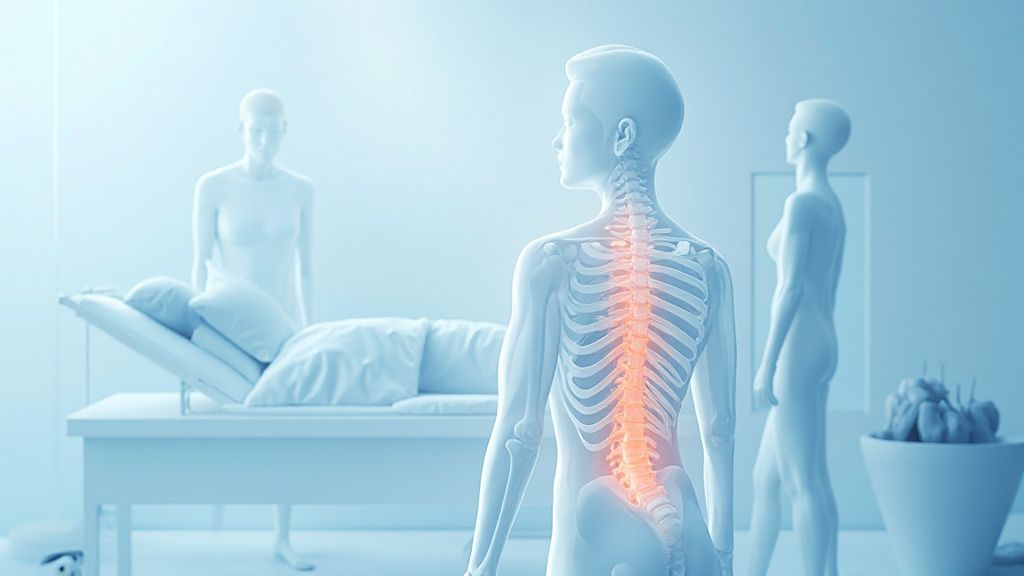
Introduction: Why Most Disc Pain Does Not Require Surgery
Disc-related back pain is one of the most common reasons people fear surgery. MRI reports, unfamiliar terminology, and persistent discomfort can make non-surgical options feel inadequate or risky to delay.
In reality, the majority of disc pain improves without surgery. Understanding which non-surgical strategies are supported by evidence—and which ones are often misunderstood—helps patients make informed, lower-risk decisions while protecting long-term spine health.
Structural Overview: Spine and Disc Pain: Structural Causes & Natural Support
When Disc Pain Is Considered “Non-Surgical”
Non-surgical care is appropriate when disc pain:
- Is stable or improving
- Does not involve progressive neurological loss
- Is not affecting bowel or bladder function
- Fluctuates with activity or position
Most disc bulges, mild herniations, and degenerative changes fall into this category.
Clarification on Disc Types: Herniated Disc vs Bulging Disc: Key Differences
The Core Goals of Non-Surgical Disc Care
Effective non-surgical approaches aim to:
- Reduce inflammation
- Calm nerve sensitivity
- Improve load tolerance
- Restore movement confidence
These strategies do not attempt to “fix” imaging findings. This distinction explains why pain often improves even when scans remain unchanged.
Non-Surgical Support Options
Option 1: Activity Modification (Not Rest)
Complete rest often worsens disc pain. Instead, effective modification includes:
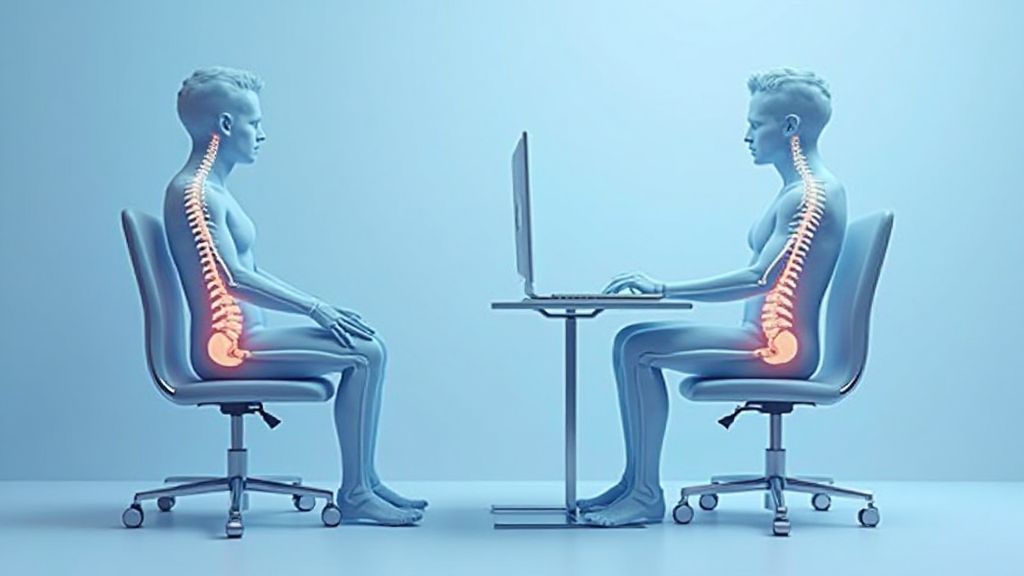
- Avoiding prolonged sitting or flexion
- Reducing repetitive disc compression
- Maintaining gentle, frequent movement
This supports disc nutrition and prevents stiffness.
Related Reading: Sitting All Day and Lower Back Pain: Why It Happens
Option 2: Targeted Physical Therapy and Movement Retraining
Not all therapy is equal. Effective programs focus on movement variability, gradual load exposure, and core–hip coordination. Aggressive stretching without disc sensitivity awareness may worsen symptoms.
Expert Comparison: Disc vs Muscle Lower Back Pain: How to Tell the Difference
Option 3: Inflammation Management
Inflammation is a major driver of disc pain—even without compression. Non-surgical strategies may include temporary medication, lifestyle-driven inflammation reduction, and sleep optimization.
Deep Dive: Inflammation and Chronic Back Pain: Root Causes & Relief
Option 4: Posture and Load Distribution Changes
Disc pain often reflects how load is applied, not how much. Helpful strategies include reducing static posture time and adjusting work and sleep positions to reduce ongoing disc irritation.
More Context: Posture Damage and Disc Degeneration
Option 5: Nutritional and Recovery Support
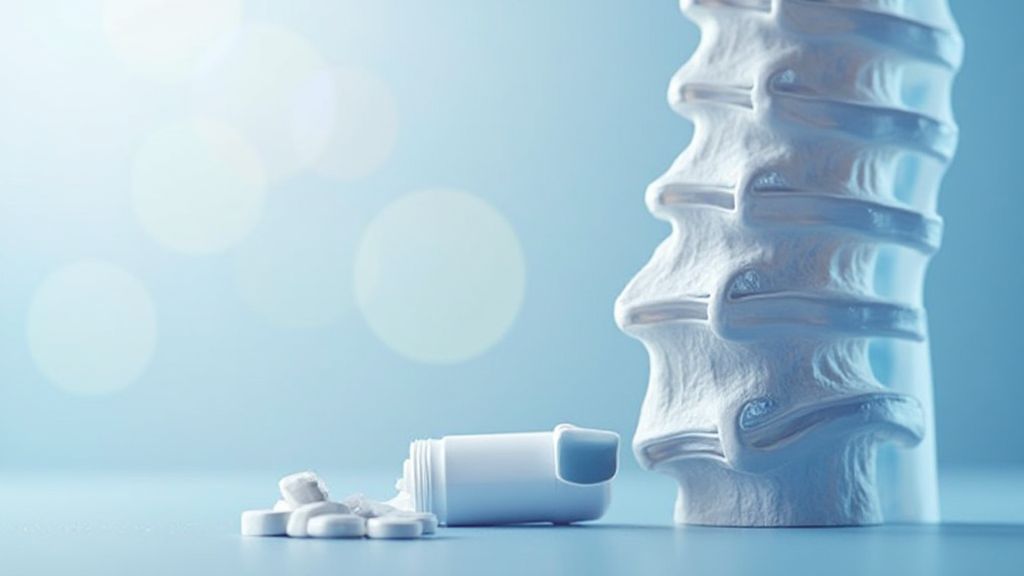
While supplements do not regenerate discs, they may support connective tissue health, inflammatory balance, and nerve signaling. This is especially relevant in chronic or slow-healing cases.
Evidence-Based Overview: Back Pain Supplements: Evidence-Based Support Options
Option 6: Pain Education and Nervous System Regulation
Education helps patients understand why pain fluctuates and why movement is safe. Reducing fear can significantly lower pain intensity and improve functional outcomes.
Chronic Pain Insights: When Lower Back Pain Becomes Chronic
What Non-Surgical Care Does Not Do
Non-surgical care is not a “magic bullet.” It typically does not:
- Instantly eliminate pain
- Reverse disc degeneration or restore disc height
- Guarantee linear improvement
Progress is often gradual and non-linear, which is normal for disc recovery.
Recovery Timeline: Why Spinal Discs Heal Slowly
When Surgery Is Considered
Surgery may be necessary when disc pain includes:
- Progressive leg weakness
- Severe nerve compression
- Loss of bowel or bladder control
- Failure of conservative care with worsening function
These cases represent a minority of disc pain presentations.
Watch for Warning Signs: Symptoms of Spinal Compression
How Long Should Non-Surgical Care Be Tried?
For most disc-related pain, the recovery process follows these evidence-based principles:
- Improvement timeframe: Significant relief often occurs over weeks to months rather than days.
- Function vs. Imaging: Functional gains (increased mobility and less pain during daily tasks) typically precede any visible changes on follow-up imaging.
- Consistency: Sustained, daily adherence to movement and recovery strategies matters more than the intensity of any single treatment session.
Patience is a fundamental component of effective, evidence-based disc care.
Recover From Disc Pain Without Rushing to Surgery
Most disc pain improves with the right non-surgical approach. Understanding the process helps avoid unnecessary procedures.
Important note: When disc or nerve pain becomes persistent, some people explore targeted nutritional support alongside movement and inflammation management.
Not all supplements are created equal, and evidence varies widely depending on formulation and mechanism.
For a breakdown of options commonly discussed for chronic back and nerve pain, see our evidence-based comparison below.