



Understanding Thinning, Shedding Patterns & Science-Backed Paths to Regrowth
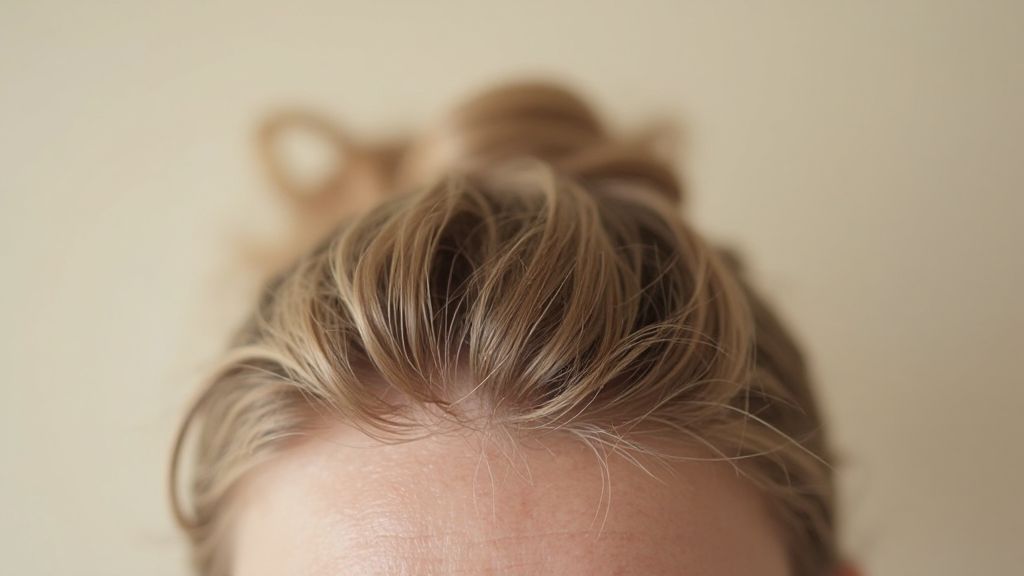
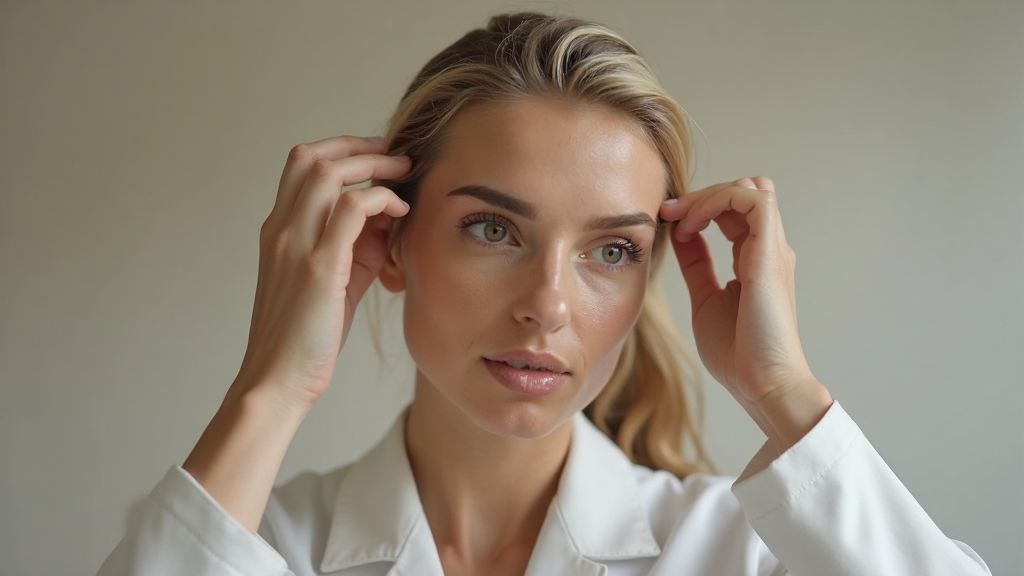
Hair loss can be alarming—especially when it happens suddenly or seems to worsen despite “doing everything right.” In reality, hair thinning and excessive shedding are usually signals, not random events. They often reflect changes in stress load, hormones, nutrition, scalp health, illness, or aging.
The Hair Loss & Excessive Shedding Hub is your focused resource for understanding why hair loss happens, how to identify the most common patterns, and what evidence-based strategies can help slow, stop, or reverse shedding when possible.
This page connects you to all hair-loss-related guides within The Health Knowledge Base and shows how hair loss fits into the broader picture of hair and scalp health.
Understanding Hair Loss vs. Hair Shedding
Hair loss and hair shedding are often used interchangeably—but they are not the same.
- Hair shedding usually involves increased daily hair fall and is often temporary
- Hair loss may involve progressive thinning, reduced density, or pattern changes
Many people experiencing diffuse shedding are dealing with a condition called telogen effluvium, where stressors push follicles into the resting phase prematurely. Others may be affected by genetic, hormonal, or inflammatory processes.
Understanding the difference is the first step toward effective action.
Common Causes of Hair Loss & Excessive Shedding
Hair loss is rarely caused by a single issue. Common contributors include:
- Chronic psychological or physical stress
- Illness, surgery, infection, or fever
- Hormonal changes (thyroid dysfunction, menopause, androgens/DHT)
- Nutrient deficiencies (iron, zinc, protein, B vitamins)
- Rapid weight loss or metabolic stress
- Aging and genetic predisposition
- Scalp inflammation or poor circulation
Addressing the root cause is far more effective than relying on surface-level treatments.
🧠 Start Here: The Hair Growth Foundation
If you are new to hair health or want to understand how shedding fits into the full growth cycle, begin with the pillar guide:
👉 The Complete Guide to Healthy Hair Growth & Scalp Care
https://thehealthknowledgebase.com/hair-care/healthy-hair-growth-guide/
This guide explains hair growth cycles, scalp health, nutrition, hormones, and realistic regrowth timelines.
🔍 Explore Hair Loss & Shedding by Topic
📉 Hair Loss Basics & Diagnosis
Learn how to identify patterns and early warning signs.
- Common Causes of Hair Loss in Men and Women
https://thehealthknowledgebase.com/hair-care/hair-loss/causes-of-hair-loss/ - Early Warning Signs of Progressive Hair Loss
https://thehealthknowledgebase.com/hair-care/hair-loss/early-signs-hair-loss/
⚠️ Stress, Illness & Sudden Shedding
Understand reversible forms of hair loss.
- Telogen Effluvium Explained (Stress-Related Hair Loss)
https://thehealthknowledgebase.com/hair-care/hair-loss/telogen-effluvium/ - Sudden Hair Shedding: When to Worry
https://thehealthknowledgebase.com/hair-care/hair-loss/sudden-hair-shedding/ - Hair Loss After Illness or COVID
https://thehealthknowledgebase.com/hair-care/hair-loss/hair-loss-after-illness/
🧬 Hormonal & Pattern Hair Loss
Explore longer-term or progressive contributors.
- Androgenetic Alopecia: What Actually Causes It
https://thehealthknowledgebase.com/hair-care/hair-loss/androgenetic-alopecia-causes/ - Postpartum Hair Loss: What’s Normal?
https://thehealthknowledgebase.com/hair-care/hair-loss/postpartum-hair-loss/
🔄 Regrowth Potential & Expectations
Set realistic timelines and outcomes.
- Can Hair Grow Back After Thinning?
https://thehealthknowledgebase.com/hair-care/hair-loss/can-hair-grow-back/
How to Use This Hair Loss Hub
- Sudden shedding? Start with stress- and illness-related articles
- Gradual thinning? Explore hormonal and pattern-loss guides
- Unsure what’s normal? Read early warning signs and diagnosis content
- Looking for regrowth options? Review realistic expectations and timelines
This hub will continue expanding as new research and treatments emerge.
🔗 Related Hair & Health Hubs
Hair loss often overlaps with other systems:
- Scalp Health & Follicle Care
https://thehealthknowledgebase.com/hair-care/scalp-health/ - Nutrition & Supplements for Hair Growth
https://thehealthknowledgebase.com/hair-care/nutrition-supplements/ - Hormones, Aging & Hair Changes
https://thehealthknowledgebase.com/hair-care/hormones-aging/ - Hair Care Products, Routines & Treatments
https://thehealthknowledgebase.com/hair-care/products-routines/
📘 FAQ
- Is hair shedding always hair loss?
No. Shedding is often temporary and reversible. - What is telogen effluvium?
A stress-related shedding condition affecting the hair cycle. - Can hair grow back after shedding?
Often yes, once the trigger is resolved. - Does illness cause hair loss?
Yes—especially after fever or infection. - Is postpartum hair loss permanent?
Usually no; it often resolves within months. - Does stress really affect hair?
Yes—stress directly alters hair growth signaling. - How long does regrowth take?
Typically 3–12 months depending on cause. - When should I see a doctor?
If hair loss is sudden, patchy, or severe. - Can scalp health affect hair loss?
Yes—chronic inflammation can worsen shedding. - Are supplements always necessary?
Only if correcting deficiencies.