





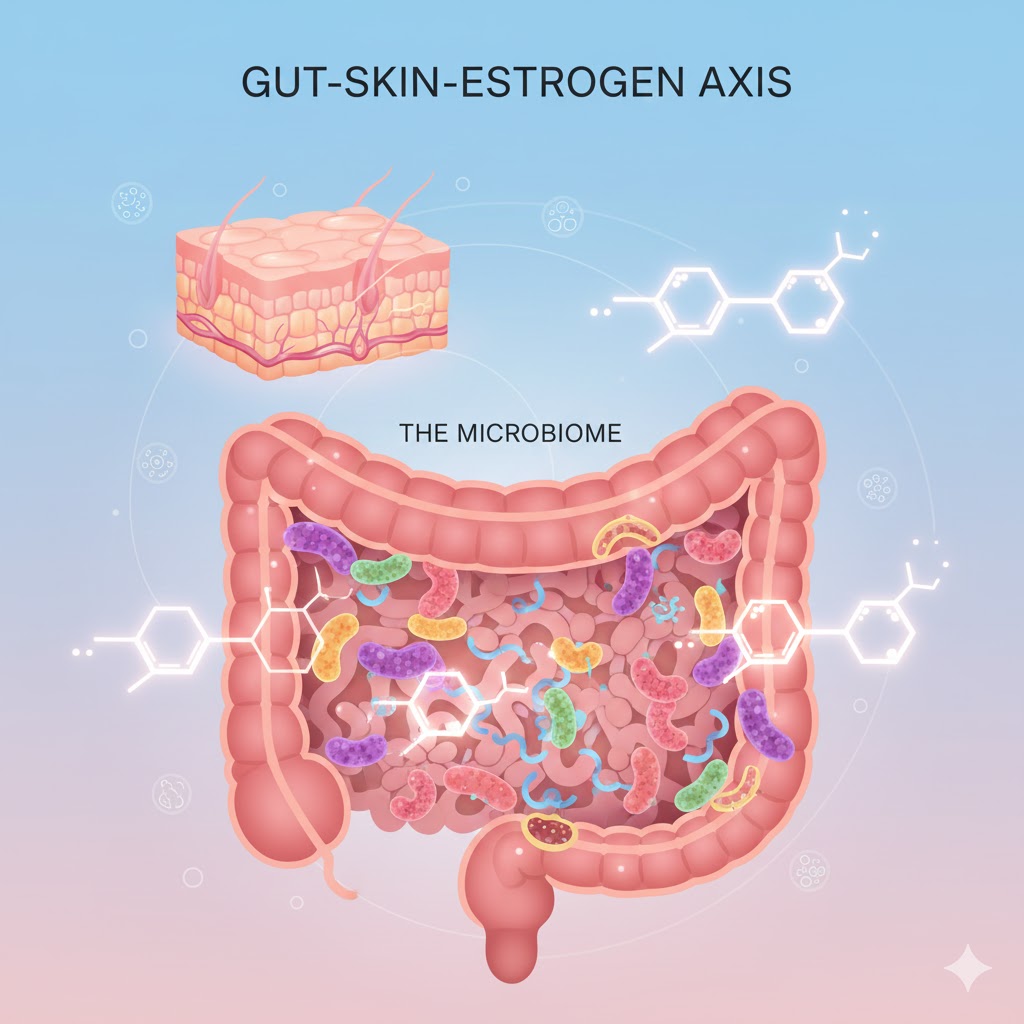
Introduction: Hormones Don’t Start in the Endocrine System
When people think about hormone problems — PMS, acne, bloating, mood swings, stubborn weight — they usually blame the ovaries, adrenals, or thyroid.
But science now shows something surprising:
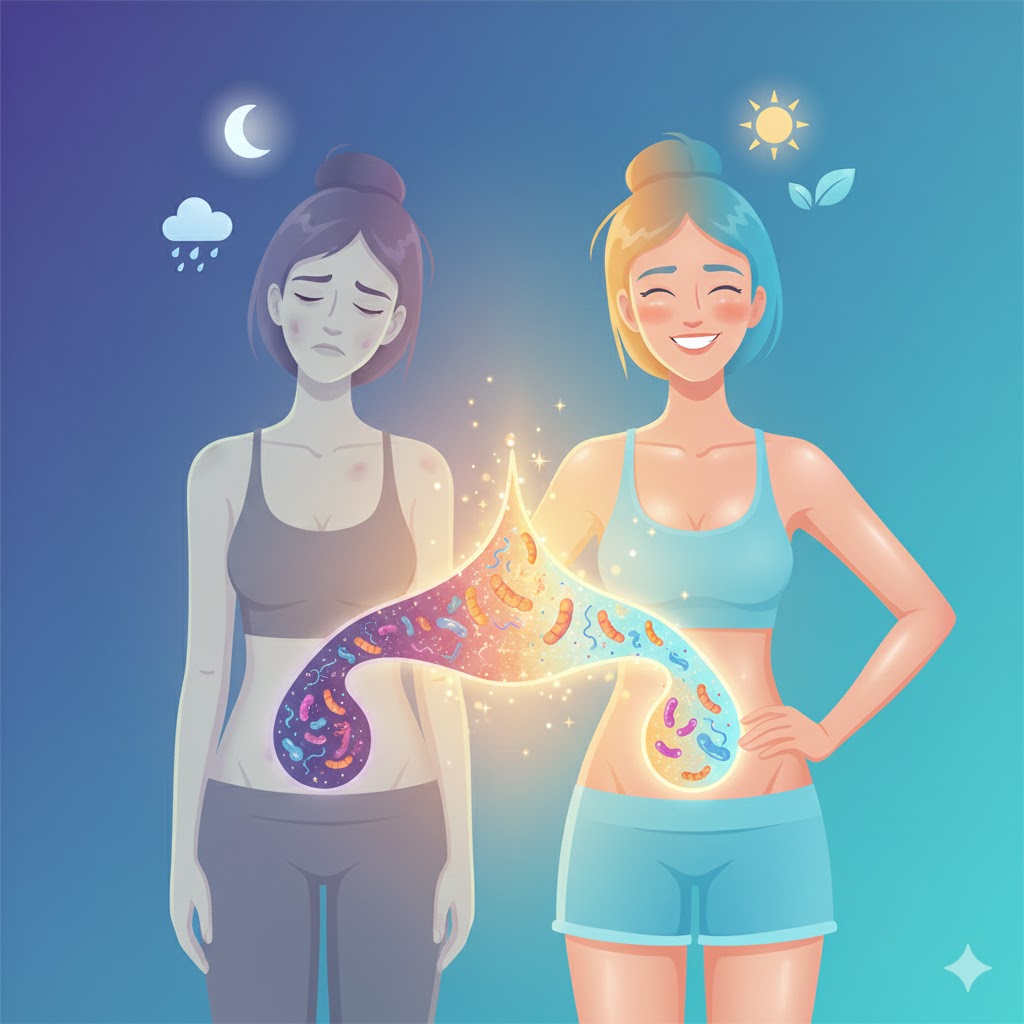
👉 Your gut bacteria play a central role in controlling hormones — especially estrogen.
When your gut is healthy, hormones stay balanced and skin stays clearer.
When it’s not, estrogen becomes erratic, inflammation rises, and skin issues often follow.
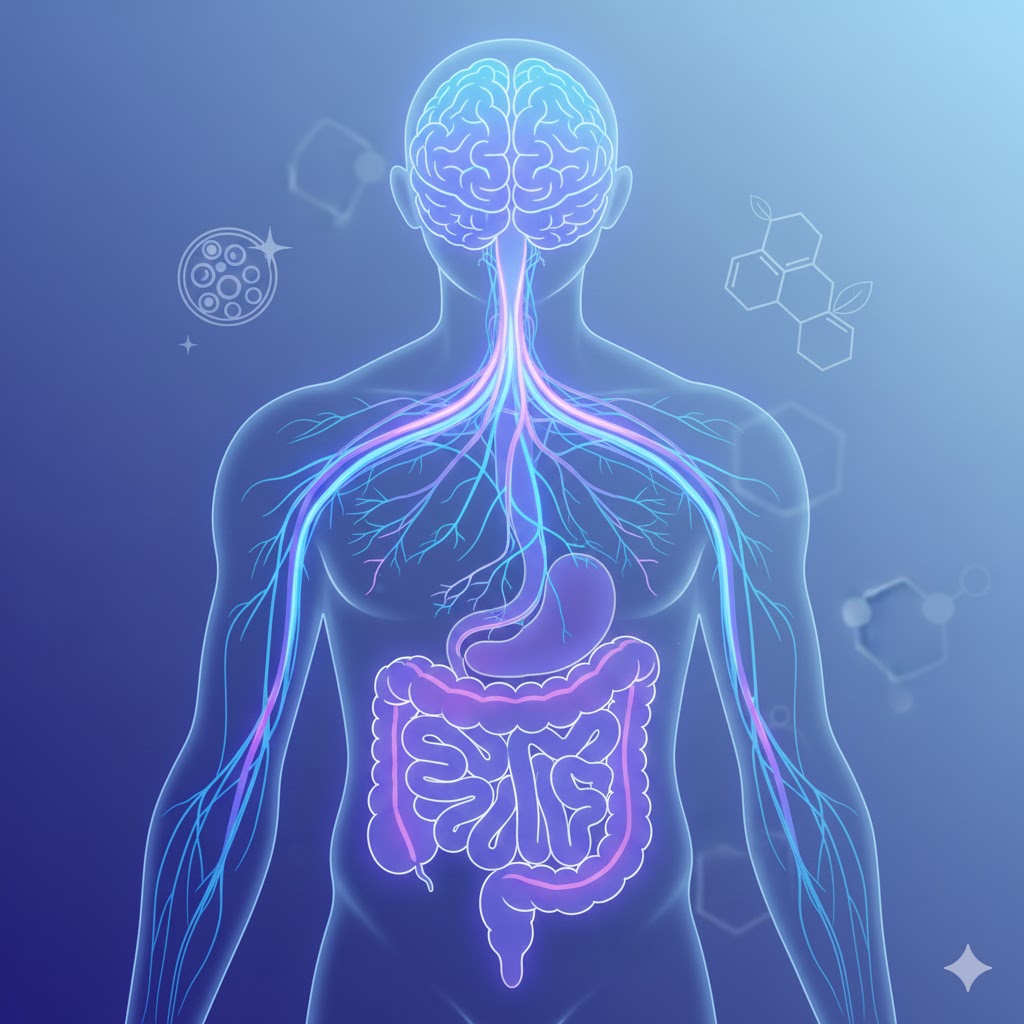
This is known as the gut–hormone connection — and it explains why healing the gut can dramatically improve hormonal symptoms and skin health.
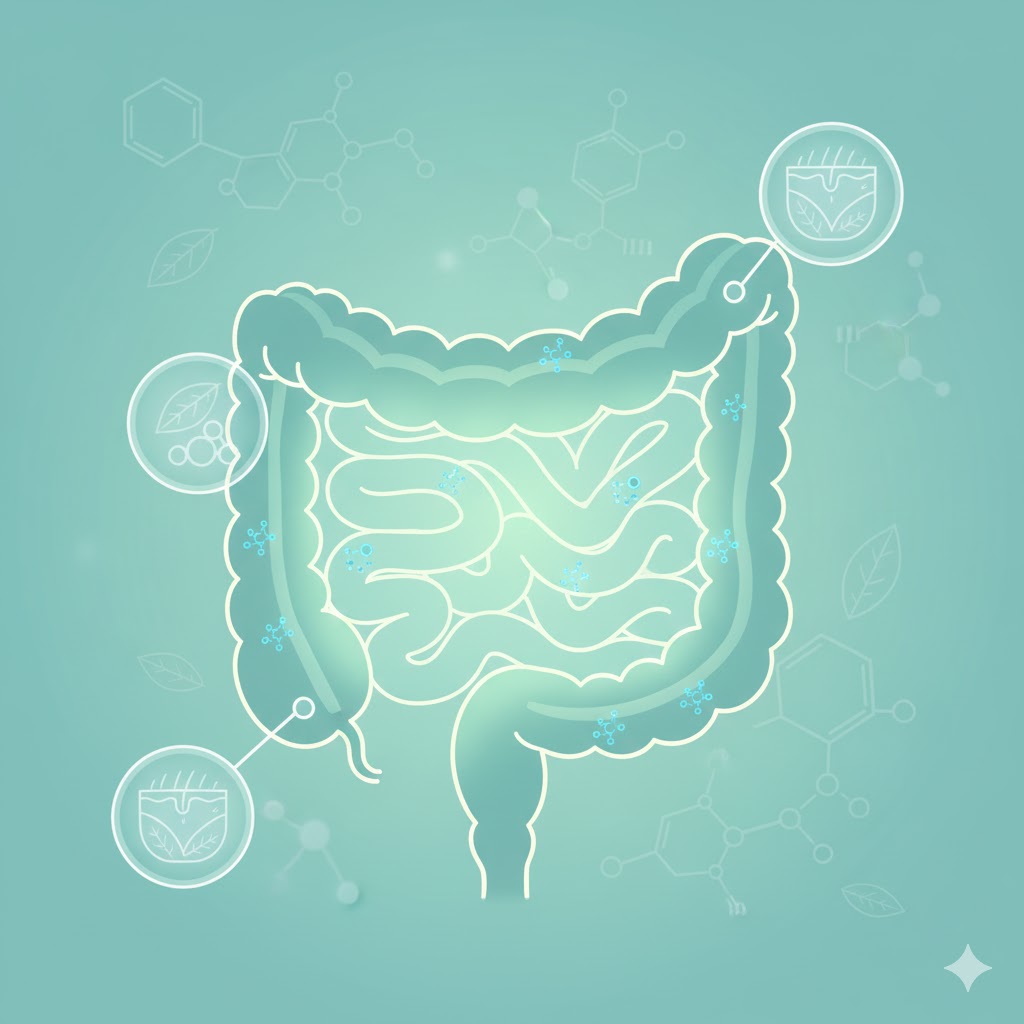
🧬 What Is the Estrobolome?
The estrobolome is a collection of gut bacteria responsible for:
- breaking down estrogen
- activating or deactivating estrogen
- helping the body eliminate excess hormones
When this bacterial network functions properly, estrogen levels remain balanced.
When it’s disrupted, estrogen can either:
- become too high (estrogen dominance), or
- fluctuate unpredictably
Both scenarios negatively affect skin and overall health.
⚖️ How Gut Imbalance Disrupts Estrogen
1. Estrogen Recirculation
Poor gut health reduces estrogen elimination.
Instead of being excreted, estrogen is reabsorbed into the bloodstream.
Result:
- hormonal acne
- PMS
- bloating
- breast tenderness
- mood swings
2. Increased Inflammation
Dysbiosis (gut imbalance) increases inflammatory compounds.
Inflammation:
- worsens hormonal acne
- weakens skin barrier
- accelerates collagen breakdown
3. Impaired Liver–Gut Detox Loop
The liver processes estrogen — but the gut completes elimination.
If gut transit is slow or inflamed:
- hormones linger too long
- detox pathways stall
- skin symptoms worsen
✨ How Hormone Imbalance Shows Up on the Skin
Gut-driven estrogen imbalance commonly leads to:
- chin and jawline acne
- cystic breakouts
- oily skin
- redness and inflammation
- melasma
- premature aging
This is why topical treatments often fail — the trigger is internal.
👉 Related pillar: The Gut–Skin Axis: How Your Gut Microbiome Controls Wrinkles, Acne & Aging
🔥 The Role of Gut Inflammation in Hormonal Acne
Inflammation increases insulin and cortisol — both of which:
- raise androgen activity
- stimulate oil glands
- clog pores
When gut inflammation is reduced, skin inflammation often follows.
This explains why diet and gut repair can outperform many acne treatments.
🛠️ How to Restore the Gut–Hormone–Skin Balance
1. Reduce Estrogen-Disrupting Foods
Limit:
- refined sugar
- alcohol
- seed oils
- ultra-processed foods
2. Eat Foods That Support Estrogen Clearance
Focus on:
- leafy greens
- cruciferous vegetables
- berries
- flaxseeds
- fermented foods
Helpful guide: The 12 Best Foods for Gut & Skin Health
3. Improve Gut Motility
Regular bowel movements are essential for hormone elimination.
Support with:
- fiber
- hydration
- daily movement
4. Restore Beneficial Gut Bacteria
Diet feeds bacteria — but probiotics help repopulate missing strains.
Many readers choose:
👉 PrimeBiome
It’s designed to support:
- microbiome balance
- reduced inflammation
- estrogen regulation
- clearer skin
5. Manage Stress Consistently
Stress alters gut bacteria and hormone signaling.
Helpful habits:
- deep breathing
- walking
- adequate sleep
- mindfulness
💡 What Happens When the Gut–Hormone Axis Improves
Many people notice:
- fewer hormonal breakouts
- more regular cycles
- calmer skin
- reduced bloating
- improved mood
- steadier energy
Because hormones are interconnected, improving gut health often improves multiple systems at once.

Gut-Hormone Balance
Supports healthy estrogen and skin balance
Related Articles
- Your Gut Is Your Second Brain
- Why Gut Health Is the Secret to Acne-Free Skin
- The Anti-Inflammatory Gut Protocol
- PrimeBiome Review
Conclusion: Balance Hormones by Healing the Gut
Hormones do not operate in isolation.
They depend on the gut to activate, regulate, and eliminate them properly.
When gut bacteria are balanced, estrogen behaves as it should — and skin often becomes clearer, calmer, and more resilient.
When the gut is inflamed or imbalanced, hormonal symptoms frequently follow.
By supporting gut health through diet, stress management, and microbiome support, you address hormone imbalance at its root — not just the symptoms.
Frequently Asked Questions (FAQs)
1. Can gut health really affect estrogen levels?
Yes — gut bacteria control estrogen activation and elimination.
2. What is estrogen dominance?
When estrogen levels are too high relative to progesterone, often due to poor elimination.
3. Does gut health affect hormonal acne?
Yes — gut inflammation and estrogen imbalance are major drivers.
4. How long does it take to rebalance hormones through the gut?
Many people see changes within 3–6 weeks.
5. What foods help regulate estrogen naturally?
Leafy greens, flaxseeds, berries, and fermented foods.
6. Can probiotics help hormonal skin issues?
Yes — certain strains reduce inflammation and support estrogen metabolism.
7. Does constipation affect hormones?
Yes — slow elimination allows estrogen recirculation.
8. Is the estrobolome real science?
Yes — it’s a well-studied gut bacterial system.
9. Does stress affect estrogen balance?
Absolutely — stress disrupts gut bacteria and hormone signaling.
10. Does PrimeBiome support hormonal balance?
Yes — it supports gut bacteria involved in estrogen regulation and inflammation control.

Balance Through Gut Health
PrimeBiome supports the gut-hormone connection for better skin and wellness.
Support Hormone Balance