




Why Scientists Call the Gut the “Second Brain”
Your gut does far more than digest food.
It communicates constantly with your brain, regulates hormones, influences mood, and even affects how your skin looks and feels.
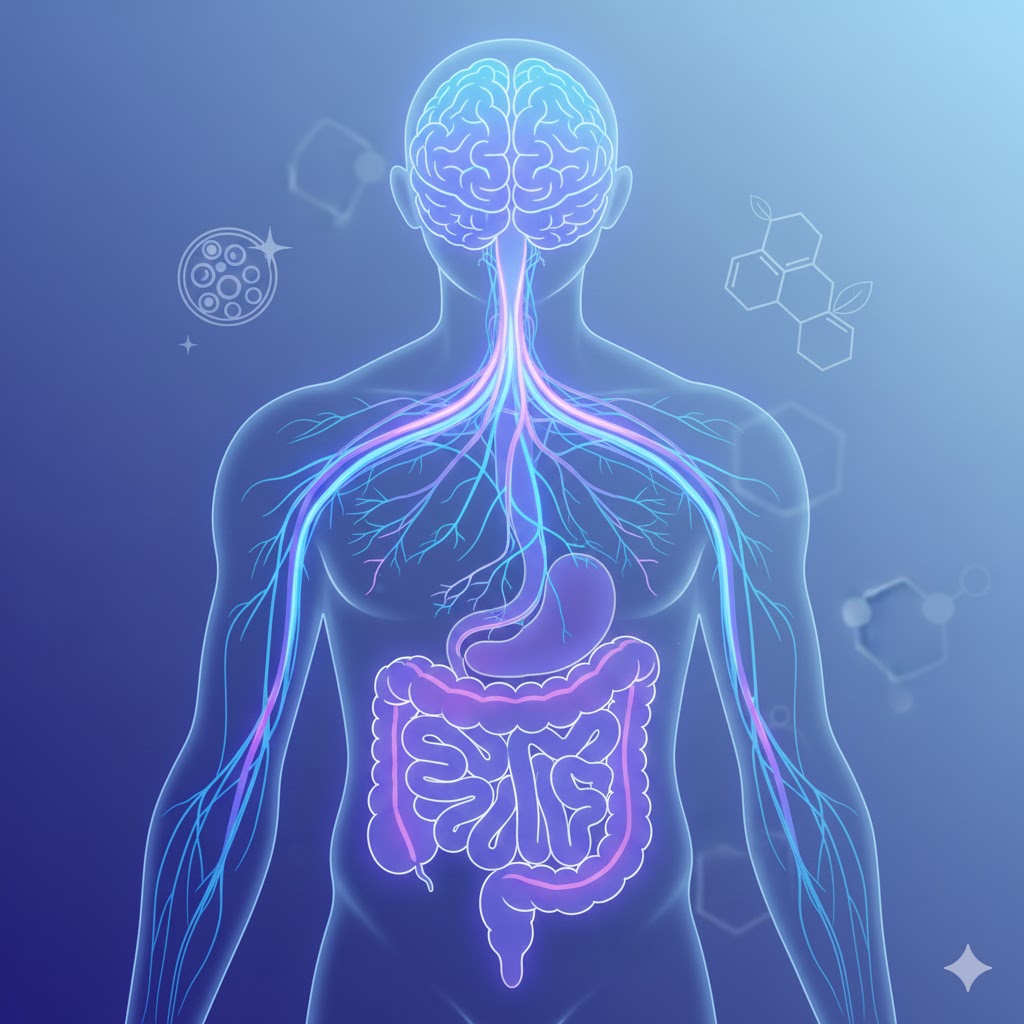
In fact, your gut contains over 100 million nerve cells — more than your spinal cord — earning it the name the second brain.
When your gut is healthy, you often experience:
- stable mood
- clearer skin
- balanced hormones
- better sleep
- steady energy
When it’s not, symptoms show up everywhere.
Let’s explore how the gut–brain axis works — and why healing your gut can transform your mental, hormonal, and skin health.
🧠 What Is the Gut–Brain Axis?
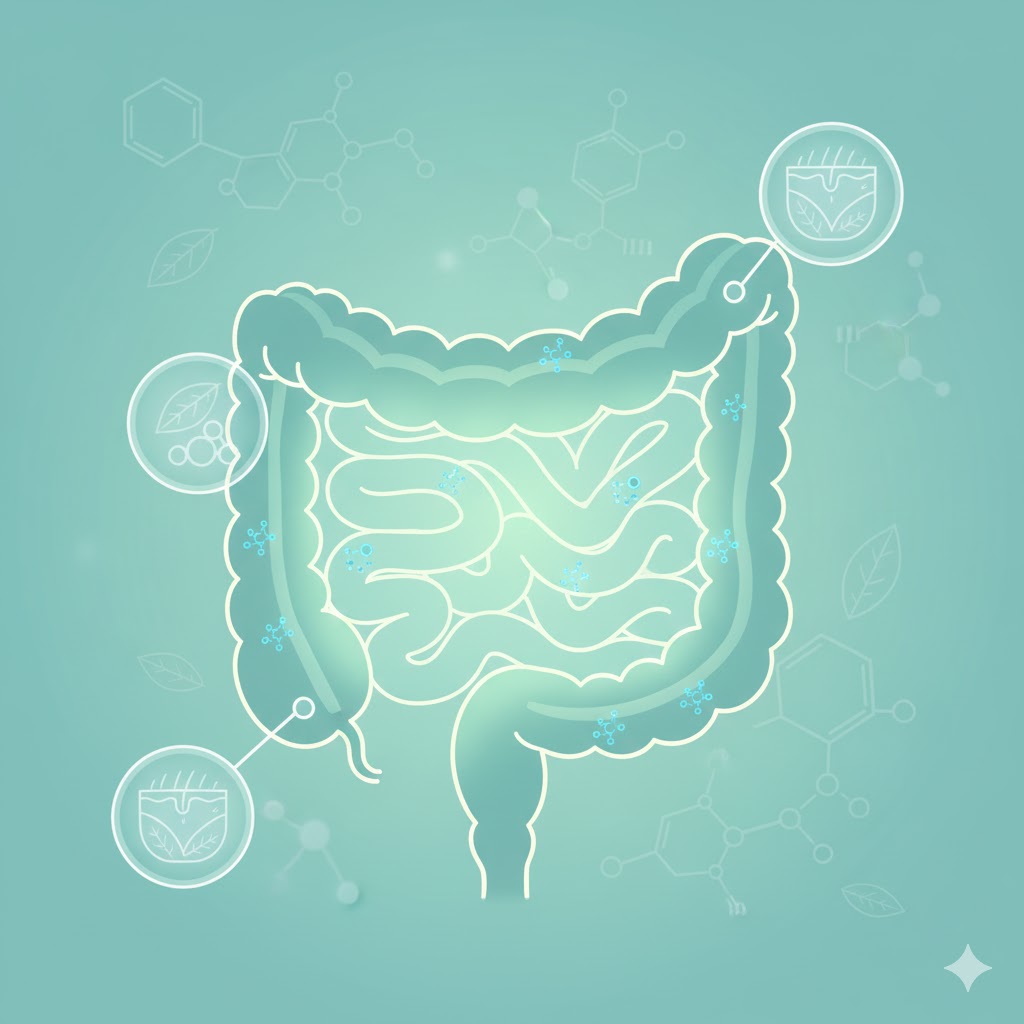
The gut–brain axis is a two-way communication system connecting your digestive tract and brain via:
- the vagus nerve
- neurotransmitters
- immune signaling
- hormones
- gut bacteria metabolites
This means your gut can influence how you think, feel, and look — and your mental state can directly affect digestion.
🧬 How the Gut Controls Mood & Mental Health
Your gut produces or regulates up to:
- 90% of serotonin (the “feel-good” hormone)
- large amounts of dopamine
- GABA (calming neurotransmitter)
When gut bacteria are imbalanced, neurotransmitter production drops.
This can lead to:
- anxiety
- low mood
- irritability
- brain fog
- poor stress tolerance
This explains why digestive issues often appear alongside emotional symptoms.
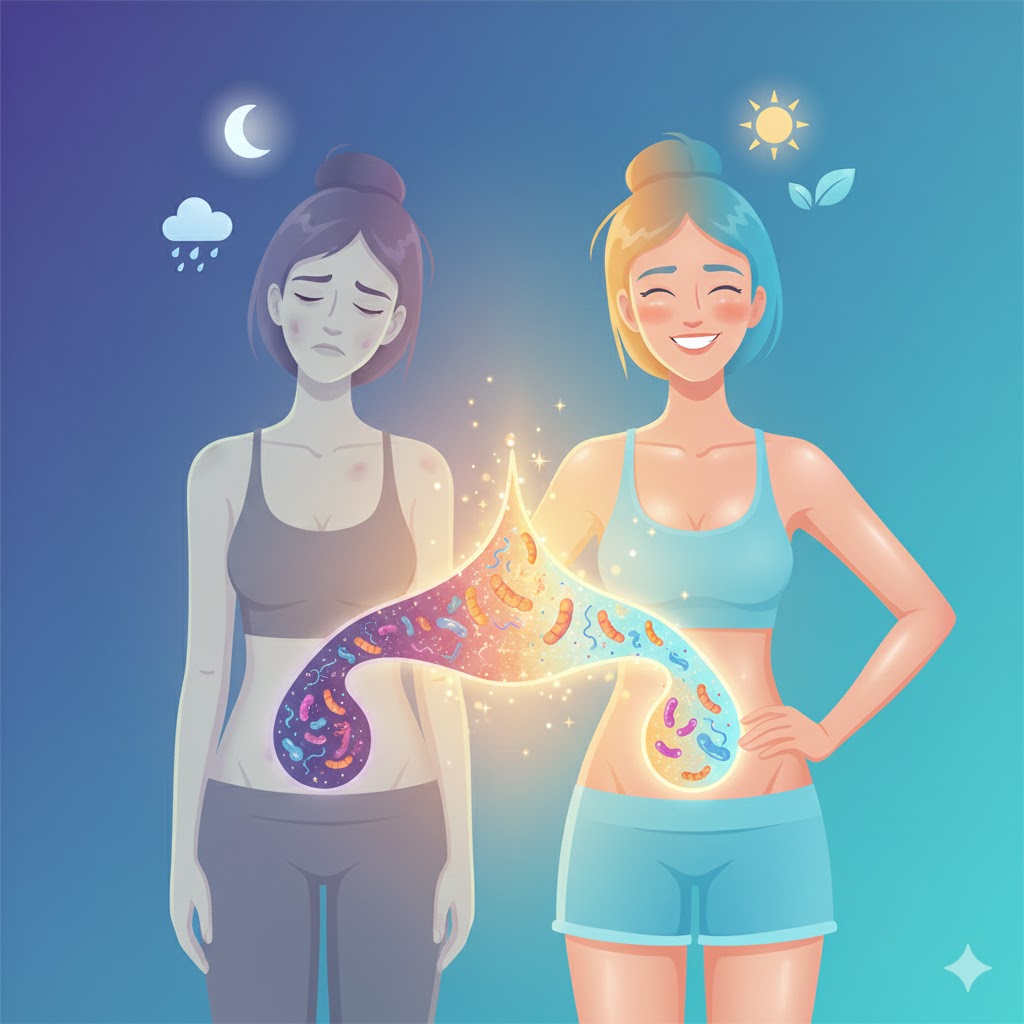
✨ The Gut–Skin Connection (Why Stress Shows on Your Face)
Stress doesn’t just affect your mind — it disrupts your gut.
When gut bacteria become imbalanced:
- inflammation increases
- toxins enter the bloodstream
- skin barrier weakens
- oil production rises
Resulting in:
- acne
- eczema
- rosacea
- redness
- premature aging
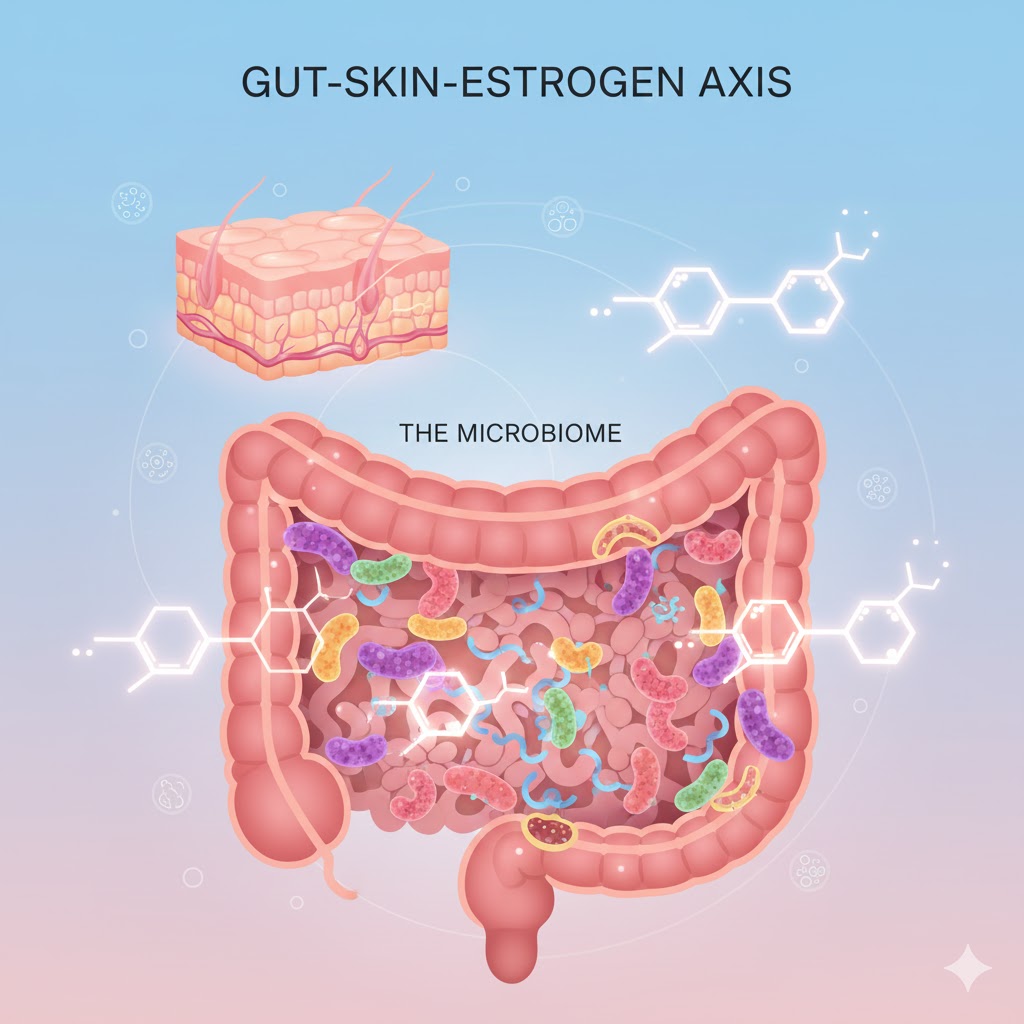
This is known as the gut–skin axis.
👉 Learn more in the pillar article: The Gut–Skin Axis: How Your Gut Microbiome Controls Wrinkles, Acne & Aging
⚖️ How Gut Health Influences Hormones
Your microbiome plays a major role in hormone regulation — especially estrogen.
Certain gut bacteria (the estrobolome) help:
- activate estrogen
- eliminate excess hormones
- maintain hormonal balance
When gut health is poor:
- estrogen recirculates
- PMS worsens
- hormonal acne appears
- weight gain becomes harder to control
This is why gut health is central to hormone balance at every age.
🔥 Inflammation: The Common Root Problem
An unhealthy gut increases systemic inflammation, which affects:
- mood stability
- skin clarity
- hormone signaling
- immune function
Chronic inflammation is linked to:
- depression
- anxiety
- eczema
- acne
- autoimmune conditions
Reducing gut inflammation often improves multiple symptoms at once.
🛠️ How to Heal the Gut–Brain–Skin Axis Naturally
1. Remove Inflammatory Triggers
Limit:
- sugar
- processed foods
- seed oils
- alcohol
- artificial sweeteners
2. Feed Beneficial Gut Bacteria
Eat more:
- fermented foods
- leafy greens
- berries
- omega-3 fats
- fiber-rich vegetables
👉 Helpful guide: The 12 Best Foods for Gut & Skin Health
3. Support the Microbiome with Probiotics
Diet feeds bacteria — probiotics help repopulate them.
Many readers choose:
👉 PrimeBiome
It’s designed to support:
- gut–brain communication
- mood balance
- skin clarity
- hormone regulation
4. Reduce Stress Daily
Stress damages gut lining and bacteria.
Try:
- deep breathing
- walking outdoors
- yoga
- mindfulness
- adequate sleep
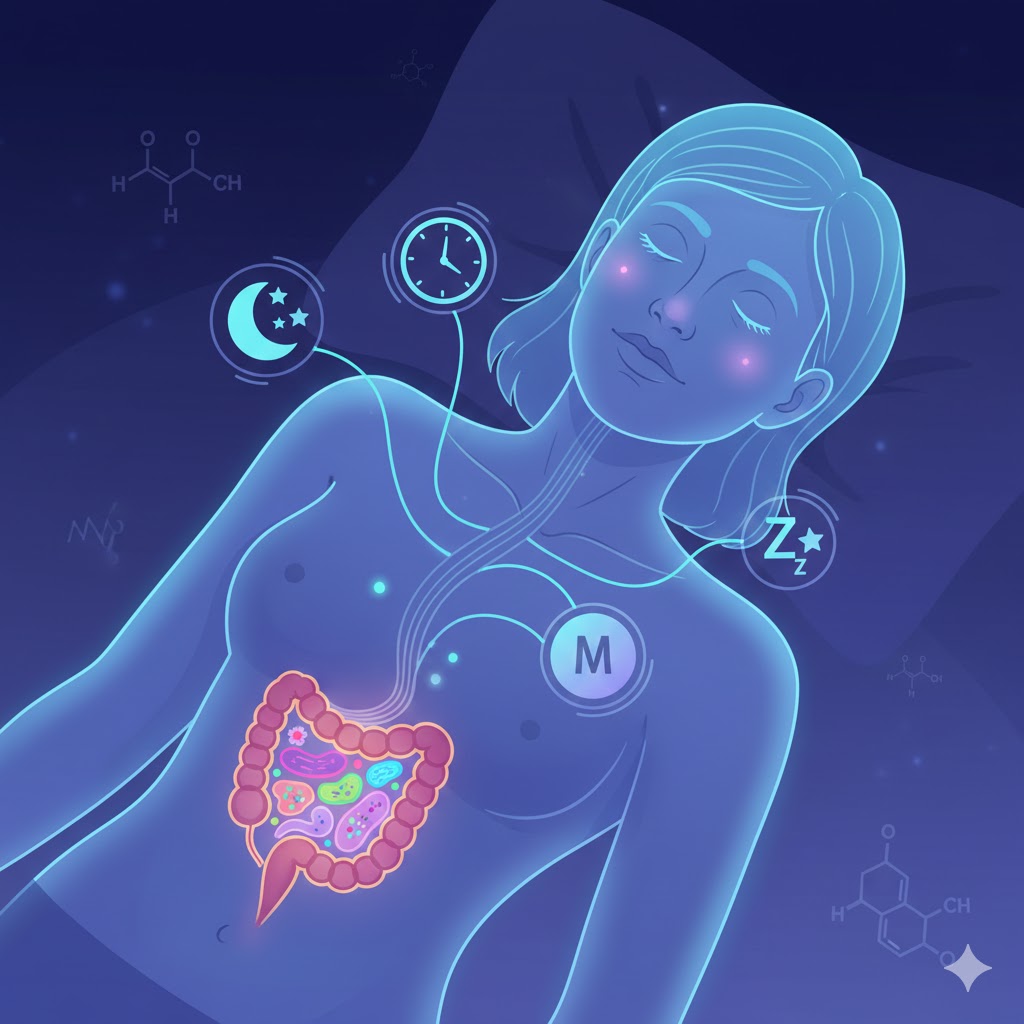
5. Prioritize Sleep
Sleep restores:
- gut lining
- neurotransmitter balance
- hormone signaling
Aim for 7–8 hours nightly.
What Happens When the Gut–Brain Axis Heals
Many people notice:
- calmer mood
- fewer cravings
- clearer skin
- reduced bloating
- improved energy
- better stress tolerance
Healing the gut often creates a cascade of benefits throughout the body.
Conclusion: Heal Your Gut to Support Mind, Skin, and Hormones
Your gut truly functions as a second brain.
It influences how you feel emotionally, how your hormones behave, and how your skin looks on the outside.
When gut bacteria are balanced, inflammation stays low, neurotransmitters are produced efficiently, and hormone signaling works as it should.
When the gut is disrupted, those systems suffer together.
The good news is that gut health is highly responsive to change.
By improving your diet, reducing stress, supporting digestion, and nourishing your microbiome consistently, you can positively impact mood, skin clarity, and hormonal balance at the same time.
Healing the gut isn’t about quick fixes — it’s about restoring communication inside the body.
When that communication improves, everything downstream begins to work better.

Mind-Gut-Skin Support
Balances mood, hormones, and skin together
Related Articles
- The Gut–Hormone Connection
- The Anti-Inflammatory Gut Protocol
- Why Gut Health Is the Secret to Acne-Free Skin
- PrimeBiome Review
Frequently Asked Questions (FAQs)
1. Why is the gut called the second brain?
Because it contains millions of nerve cells and produces neurotransmitters that affect mood and cognition.
2. Can gut health really affect mood?
Yes — most serotonin is produced in the gut.
3. Does poor gut health cause anxiety?
Imbalanced gut bacteria can worsen stress and anxiety symptoms.
4. Can healing the gut improve skin?
Yes — reduced inflammation often leads to clearer skin.
5. How does gut health affect hormones?
Gut bacteria regulate estrogen metabolism and hormone balance.
6. What foods support the gut–brain axis?
Fermented foods, omega-3s, fiber, and antioxidants.
7. How long does gut healing take?
Many see improvements within 3–6 weeks.
8. Do probiotics help mental health?
Certain strains support mood and stress resilience.
9. Can stress damage gut bacteria?
Yes — chronic stress disrupts microbiome balance.
10. Does PrimeBiome support gut–brain health?
Yes — it’s formulated to support microbiome balance and reduce inflammation.

Complete Gut-Brain Care
PrimeBiome supports the interconnected health of your gut, mood, and skin.
Balance All Three