Stay Informed With Trusted Health Insights
Join 5,000+ readers who receive evidence-informed health articles, wellness tips, supplement reviews, and practical health guides delivered straight to their inbox.
Get Free Health UpdatesNo spam. Just helpful health education, updates, and resources.
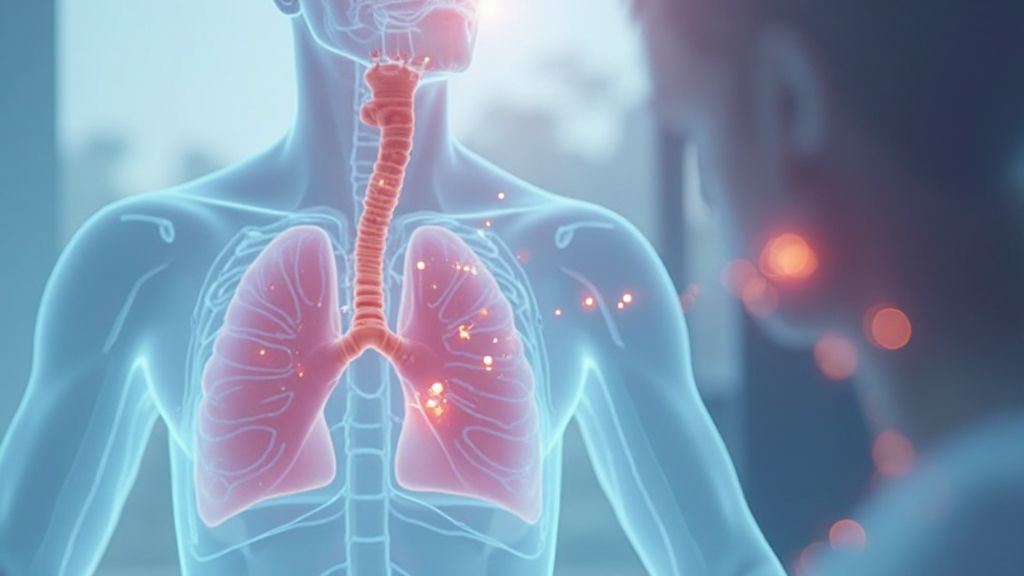
Whether you’re an active vaper concerned about lung health, someone trying to quit, or a former vaper dealing with lingering respiratory issues, targeted supplementation can help protect and repair your lungs. As research into vaping-related lung damage grows, we now understand which nutrients and herbs can specifically counter the unique harms of e-cigarette aerosol.
This evidence-based guide covers the best supplements to combat vaping-induced inflammation, support lung tissue repair, and enhance your respiratory system’s natural defense mechanisms.
How Vaping Damages Lungs—And How Supplements Can Help
Vaping presents unique challenges to lung health that require specific nutritional support:
The Vaping Damage Triad:
- Chemical Inflammation: Flavoring compounds and metal particles trigger chronic airway inflammation
- Oxidative Stress: Heated e-liquid creates free radicals that damage lung cells
- Immune Suppression: Alveolar macrophages become less effective at fighting pathogens
“The cellular damage from vaping differs from traditional smoking,” notes Dr. Sarah Jenkins, a respiratory researcher. “This means the nutritional support needed for protection and recovery also differs in important ways.”
Top 6 Supplements for Vapers’ Lung Health
1. NAC (N-Acetyl Cysteine) – The Mucus Regulator
Why Vapers Need It:
Vaping can either paralyze cilia (causing mucus buildup) or trigger excessive mucus production. NAC helps normalize this function by:
- Breaking disulfide bonds in thick, stubborn mucus
- Boosting glutathione production to combat vaping-induced oxidative stress
- Supporting the liver’s processing of vaping chemicals
Clinical Evidence:
A 2024 study found NAC improved mucus clearance in patients with vaping-related bronchitis symptoms.
Recommended Dosage: 600-1200 mg daily
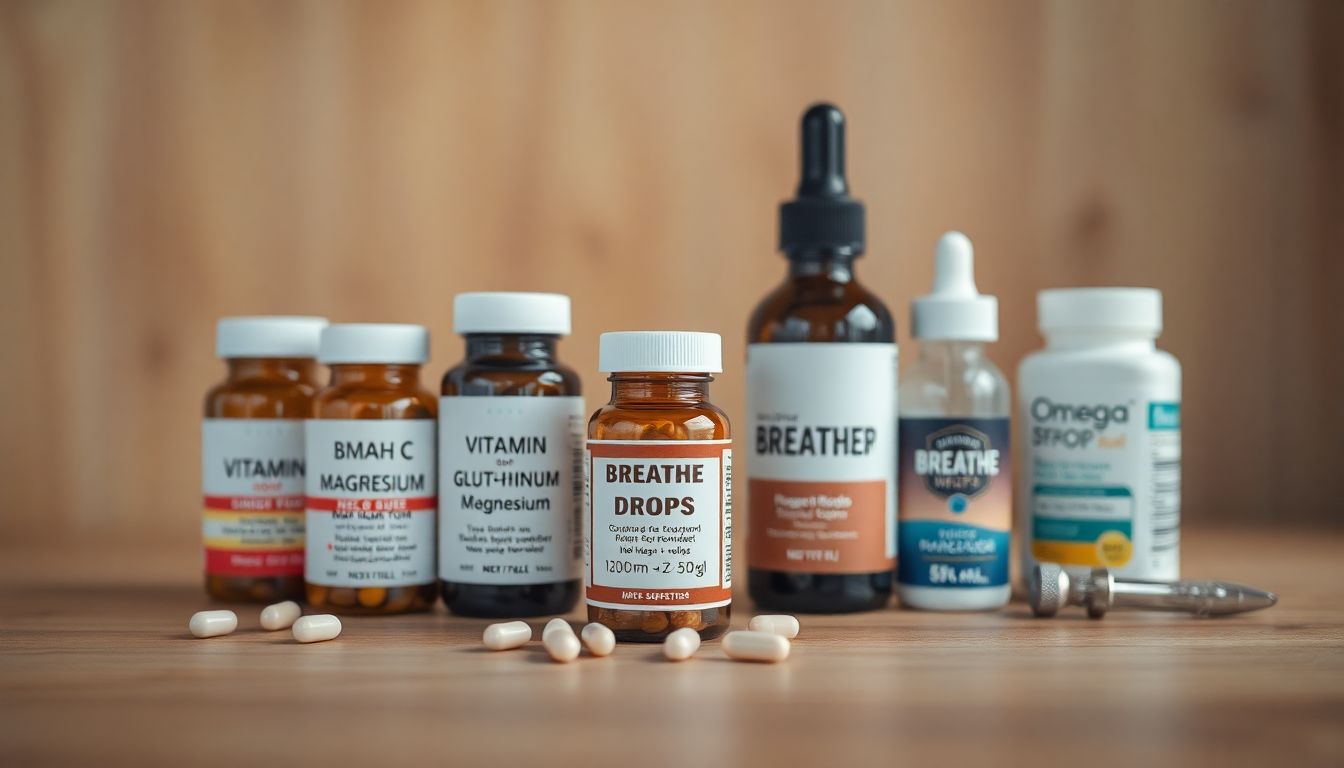
2. Breathe Drops – Comprehensive Respiratory Support
Why Vapers Need It:
Breathe Drops combine several herbs that specifically address vaping-related issues:
- Mullein Leaf: Soothes airway irritation from chemical exposure
- Oregano Oil: Provides antimicrobial protection when lung immunity is compromised
- Thyme: Helps relax bronchial constriction caused by vaping
Unique Advantage:
The liquid format allows for faster absorption and direct soothing of irritated respiratory tissues.
User Experience:
“I vaped for 3 years and developed a constant tickle in my chest. Within 2 weeks of using Breathe Drops, the irritation was gone and I could take full breaths again.” – Jason T., former vaper
3. Glutathione – The Master Antioxidant
Why Vapers Need It:
Vaping depletes glutathione, your body’s most powerful antioxidant. Direct supplementation or precursors can:
- Neutralize free radicals from heated e-liquid
- Reduce inflammation in delicate lung tissue
- Support detoxification of vaping chemicals
Best Forms: Liposomal glutathione or NAC (precursor) for better absorption
Recommended Dosage: 250-500 mg daily (if taking direct glutathione)
4. Vitamin C – The Immune Defender
Why Vapers Need It:
Vaping compromises lung immune function. High-dose vitamin C helps:
- Strengthen immune cell activity in the lungs
- Protect against respiratory infections vapers are more susceptible to
- Support collagen production for lung tissue repair
Important Note: Vapers may need higher doses due to increased oxidative stress.
Recommended Dosage: 1000-2000 mg daily (in divided doses)
5. Magnesium – The Bronchial Relaxer
Why Vapers Need It:
Many vapers experience bronchial constriction and coughing. Magnesium helps:
- Relax smooth muscles in the airways
- Reduce vaping-related coughing spells
- Support nervous system regulation during nicotine withdrawal
Best Forms: Magnesium glycinate for better absorption and calming effects
Recommended Dosage: 400-600 mg daily
6. Omega-3 Fatty Acids – The Inflammation Fighter
Why Vapers Need It:
The inflammatory response to vaping chemicals can persist long after use. Omega-3s help:
- Counteract pro-inflammatory compounds in vape aerosol
- Support healthy cell membrane fluidity in lung tissue
- Reduce systemic inflammation that affects respiratory health
Source Recommendation: High-quality fish oil with both EPA and DHA
Recommended Dosage: 1000-2000 mg combined EPA/DHA daily
Special Considerations for Active Vapers vs. Former Vapers
If You Currently Vape: Protection Strategy
- Focus on antioxidants (Vitamin C, Glutathione) to combat ongoing damage
- Include NAC to support mucus clearance despite cilia impairment
- Consider Breathe Drops for immediate soothing of irritation
- Stay hydrated to help thin vaping-related mucus
If You’ve Quit Vaping: Recovery Strategy
- Continue antioxidants while inflammation decreases
- Add lung-supporting herbs to promote tissue repair
- Practice breathing exercises to retrain respiratory function
- Be patient – recovery timelines vary based on vaping duration and intensity
Sample Supplement Protocols
Basic Protection Protocol (Active Vapers)
Morning:
- Vitamin C (500 mg)
- NAC (600 mg)
Evening:
- Breathe Drops (10 drops in water)
- Magnesium (200 mg)
Comprehensive Recovery Protocol (Former Vapers)
Morning:
- Vitamin C (1000 mg)
- NAC (600 mg)
- Omega-3 (1000 mg)
Afternoon:
- Breathe Drops (10 drops)
- Glutathione (250 mg)
Evening:
- Vitamin C (500 mg)
- Magnesium (400 mg)
Always consult your healthcare provider before starting new supplements, especially if you have pre-existing conditions.
What to Avoid: Supplements That May Not Help
While many supplements are beneficial, some popular options don’t address vaping-specific issues:
- Standard multivitamins: Typically don’t contain therapeutic doses of needed nutrients
- Isolated B-vitamins: Don’t directly address respiratory inflammation
- Iron supplements: Can actually increase oxidative stress if not deficient
Lifestyle Support for Maximum Benefits
Supplements work best when combined with other healthy habits:
- Stay Hydrated: Essential for thinning vaping-related mucus
- Avoid Additional Irritants: Secondhand smoke, pollution, and allergens compound damage
- Consider lung detox practices: Steam inhalation and specific breathing techniques can enhance supplement effectiveness
- Monitor Symptoms: Track changes in cough, mucus production, and breathing capacity
When Supplements Aren’t Enough: Seeking Medical Help
While supplements can significantly support lung health, seek medical attention if you experience:
- Persistent chest pain or tightness
- Coughing up blood or rust-colored mucus
- Shortness of breath that interferes with daily activities
- Fever with respiratory symptoms
- Unexplained weight loss and fatigue

Direct Support for Vaping-Related Lung Irritation
Breathe Drops combine mullein, oregano & thyme to specifically address the airway irritation and inflammation caused by vaping.
Soothe Your Airways →✅ FAQ
1. How long until I see improvements after starting these supplements?
Most people notice reduced irritation and easier breathing within 2-4 weeks. Significant improvement in lung function and mucus clearance typically takes 2-3 months of consistent use.
2. Can I take these supplements while still vaping?
Yes, and many vapers find they provide noticeable relief from vaping-related irritation. However, they work best as part of a cessation plan rather than enabling continued use.
3. Are these supplements different from those for smokers’ lungs?
There’s significant overlap, but vaping-specific formulas might emphasize different antioxidants and immune support. Vaping damages the immune function of lungs more prominently, while smoking causes more direct tissue destruction.
4. How do I know if I need lung supplements from vaping?
Consider supplements if you experience: persistent cough, increased mucus production, shortness of breath with normal activity, frequent respiratory infections, or chest tightness after vaping.
5. Can supplements reverse permanent vaping damage?
They can’t reverse severe scarring or conditions like bronchiolitis obliterans, but they can significantly improve function, reduce symptoms, and support your body’s natural repair processes for less severe damage.
6. Are there any side effects from these supplements?
Most are well-tolerated. NAC can cause mild stomach upset, high-dose vitamin C may cause loose stools, and magnesium has a laxative effect in some people. Start with lower doses to assess tolerance.
7. Which supplement is most important for vapers?
NAC is particularly valuable because it addresses the unique mucus clearance issues vapers face while also supporting glutathione production for antioxidant defense.
8. Can these supplements help with vaping cravings?
Not directly, but magnesium can help with relaxation and anxiety reduction, which may indirectly support cessation efforts. The best approach combines lung support with dedicated cessation strategies.
9. Should I get my lung function tested before starting supplements?
It’s not necessary but can be helpful to establish a baseline. Many people track progress through subjective measures like reduced coughing and improved exercise tolerance.
10. How long should I continue these supplements after quitting vaping?
Most experts recommend continuing for 3-6 months after cessation, as this covers the most active period of inflammation reduction and tissue repair. Some people choose to continue maintenance dosing longer-term.
Direct Support for Vaping-Related Lung Irritation
Breathe Drops combine mullein, oregano & thyme to specifically address the airway irritation and inflammation caused by vaping.
Soothe Your Airways →Still Have Questions? We Have Answers.
Lung health is complex. If you’re wondering “What about…?” or “What’s next for me?”, you’re not alone. Our Resource Hub is built to be your **first stop for trustworthy, in-depth answers** on every aspect of respiratory wellness.
- Condition-Specific Guides (COPD, Asthma, Post-COVID)
- Step-by-Step Detox & Recovery Plans
- Science-Backed Natural & Conventional Strategies

Medically Reviewed for Accuracy
This content has been reviewed for accuracy and clarity by The Health Knowledge Base Medical Review Team, using current research and evidence-based health guidance.
Our review process helps ensure that information related to health, wellness, nutrition, lifestyle strategies, and natural support topics reflects current scientific understanding and responsible editorial standards.
Written by The Health Knowledge Base Editorial Team
Our editorial team consists of health researchers, wellness writers, and content specialists focused on creating clear, practical, and research-informed health content.
We publish educational articles designed to help readers better understand health topics, explore natural wellness strategies, and make more informed lifestyle decisions with confidence.
Affiliate Transparency, Medical Disclaimer & Safety Notice
At The Health Knowledge Base, we take pride in being a trusted resource and affiliate partner with select, high-quality companies. We choose these partnerships carefully because we genuinely believe their products, services, and educational resources align with the values and mission of our website.
When you purchase through certain links on this site, we may receive a small commission or compensation. This helps support our research, content creation, and ongoing work at no additional cost to you. Your price remains exactly the same.
Medical Disclaimer
The information provided by The Health Knowledge Base is for general informational and educational purposes only and is not a substitute for professional medical advice, diagnosis, or treatment.
Always seek the advice of your physician, doctor, or another qualified healthcare provider with any questions you may have regarding a medical condition, symptoms, treatment options, diet changes, exercise programs, or supplements.
Never disregard professional medical advice or delay in seeking it because of something you have read on this website.
Critical Safety Notice
Before making any changes to your diet, starting a new fitness or wellness routine, or taking any supplements mentioned on this site, you should consult with your doctor, physician, or another qualified healthcare professional. Reliance on any information provided by The Health Knowledge Base is solely at your own risk.
View our Affiliate Disclosure → | View our Medical Disclaimer →