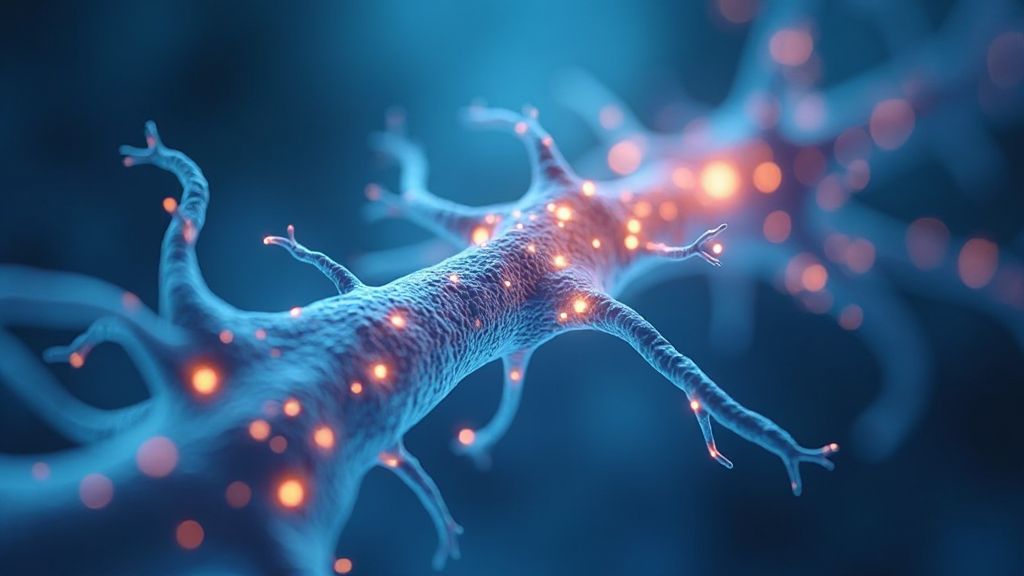







Nerve pain – also called neuropathic pain – is fundamentally different from muscle, joint, or inflammatory pain. It originates from misfiring or damaged nerves, not injured tissue. This distinction explains why common painkillers often provide little relief and why nerve pain requires a targeted management strategy.
This pillar explains:
- How nerve pain works
- Why it feels burning, electric, or stabbing
- Natural nerve-calming strategies
- Medical treatment options
- How to combine approaches safely
For the full context of nerve health, visit the
Nerve Health Hub:
https://thehealthknowledgebase.com/nerve-health/
What Is Nerve Pain?
Nerve pain occurs when damaged or irritated nerves send incorrect signals to the brain. The brain interprets these faulty signals as pain—even without tissue injury.
Common descriptions include:
- Burning
- Electric shocks
- Pins-and-needles
- Stabbing or shooting pain
- Pain from light touch
This is why nerve pain often worsens at night and can be triggered by minimal stimuli.
Nerve Pain vs Muscle or Joint Pain
| Feature | Nerve Pain | Muscle / Joint Pain |
|---|---|---|
| Sensation | Burning, electric | Aching, throbbing |
| Triggers | Light touch, temperature | Movement, pressure |
| Location | Follows nerve paths | Localized |
| Response to NSAIDs | Often poor | Often helpful |
A focused comparison is available here:
https://thehealthknowledgebase.com/nerve-health/nerve-pain-management/nerve-vs-muscle-pain/
Why Nerve Pain Develops
Nerve pain is a symptom—not a disease. It often arises from:
- Peripheral neuropathy
- Diabetes-related nerve damage
- Nerve compression or injury
- Inflammation
- Toxic or metabolic stress
Understanding the cause is essential for effective management.
For cause-specific pathways, see:
https://thehealthknowledgebase.com/nerve-health/nerve-pain-management/causes/
Why Standard Painkillers Often Fail
Medications like acetaminophen or NSAIDs target inflammation in tissues. Nerve pain originates from signal dysfunction, not tissue injury—so these drugs often provide limited relief.
This leads many people to believe nothing works, when in reality, the wrong tool is being used.
Natural Nerve Pain Management Options
Natural strategies aim to calm nerve signaling, reduce inflammation, and improve the nerve environment.
1) Blood Sugar Stability
Blood sugar fluctuations increase nerve excitability.
This is critical for anyone with insulin resistance or diabetes.
Learn more:
https://thehealthknowledgebase.com/nerve-health/diabetic-neuropathy/
2) Targeted Nutritional Support
Nerves rely on specific nutrients for signal transmission and repair.
Foundational options are reviewed here:
https://thehealthknowledgebase.com/nerve-health/nerve-supplements/
3) Gentle Movement and Stretching
Movement improves circulation and reduces nerve compression.
Safe guidance:
https://thehealthknowledgebase.com/nerve-health/nerve-pain-management/exercises/
4) Heat vs Cold Therapy
Temperature can modulate nerve signaling.
Learn when to use each:
https://thehealthknowledgebase.com/nerve-health/nerve-pain-management/heat-vs-cold/
5) Stress Reduction and Nervous System Regulation
Stress amplifies nerve sensitivity and pain perception.
Breathing techniques, relaxation practices, and routine consistency help calm overactive nerve signaling.
6) Sleep Optimization
Poor sleep increases pain sensitivity and nerve excitability.
Why sleep matters:
https://thehealthknowledgebase.com/nerve-health/nerve-repair/sleep-connection/
Medical Treatment Options for Nerve Pain
Medical management may be necessary for moderate to severe nerve pain.
Common Medical Approaches
- Prescription neuropathic pain medications
- Topical agents
- Physical therapy
- Addressing underlying causes
Medical treatments aim to modulate nerve signaling, not simply block pain.
Medical and natural strategies often work best together.
Combining Natural and Medical Approaches Safely
Effective nerve pain management:
- Addresses the underlying cause
- Calms nerve signaling
- Supports nerve health long-term
- Avoids over-reliance on any single approach
Coordination with healthcare professionals is essential, especially when medications are involved.
What to Expect From Nerve Pain Management
Nerve pain improvement is often:
- Gradual
- Non-linear
- Dependent on consistency
Early stabilization is often the first success—followed by gradual symptom reduction.
When to Seek Immediate Medical Care
Seek urgent evaluation if nerve pain is accompanied by:
- Sudden weakness
- Loss of bowel or bladder control
- Rapidly progressing numbness
- Severe balance impairment
These may signal serious neurological conditions.
The Bottom Line
Nerve pain is manageable—but only when treated as a nerve problem, not a general pain problem.
Understanding how nerve pain works allows you to choose strategies that calm nerves, protect function, and improve quality of life.
Find the Right Nerve Pain Strategy
Learn how nerve pain works and which natural and medical options help calm damaged nerves.
✅ FAQs
- What is nerve pain?
Pain caused by damaged or misfiring nerves. - Why does nerve pain feel burning or electric?
Because nerve signals misfire. - Do regular painkillers help nerve pain?
Often not. - Can nerve pain improve?
Yes, especially with targeted management. - Are natural approaches effective?
They can support nerve stability and calm signaling. - Does sleep affect nerve pain?
Yes, poor sleep worsens pain sensitivity. - Is nerve pain always permanent?
No, outcomes vary. - Can exercise worsen nerve pain?
Incorrect exercise can; gentle movement helps. - Should nerve pain always be evaluated medically?
Yes, especially if progressive. - Can nerve pain be prevented?
Often yes, by addressing underlying causes early.
Egg Yolk Hack Erases Nerve Pain in 7 days

According to Oxford Academic, this bizarre 5-second “egg yolk trick” wipes away burning nerve pain, tingling, and numbness. Tap Here to Learn More!