





Why Disc Pain Is Often Worse When You’re Dehydrated
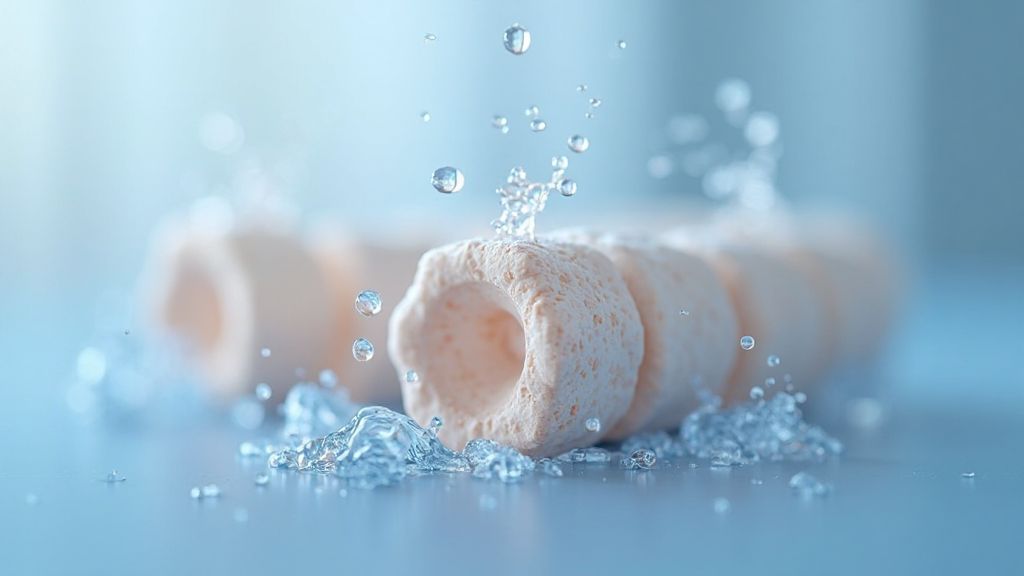
Spinal discs are often described as “shock absorbers,” but a more accurate description is hydraulic cushions. Their ability to manage load depends heavily on water content.
This is why disc-related back pain often:
- Feels worse late in the day
- Improves after rest or sleep
- Fluctuates with lifestyle and recovery habits
Hydration does not regenerate discs—but it plays a meaningful role in disc comfort, load tolerance, and pain sensitivity.
Structural Overview: Spine and Disc Pain: Structural Causes & Natural Support
How Hydration Works in Spinal Discs
Spinal discs contain a high percentage of water—especially in the inner core (nucleus pulposus). This water:
- Helps distribute pressure evenly
- Maintains disc height throughout the day
- Reduces mechanical stress on surrounding tissues
Discs lose water during daily activity and reabsorb fluid during rest, particularly overnight through a process called imbibition.
Why Disc Height Changes Throughout the Day
You are slightly taller in the morning than at night. This happens because:
- Loading: Discs dehydrate under the weight of the body.
- Compression: Sitting and standing compress the discs.
- Fluid Loss: Fluid slowly leaves the disc matrix during the day.
This daily compression is normal—but when hydration is compromised, discs lose tolerance faster, increasing discomfort.
Dehydration and Increased Disc Pain
When overall hydration is low:
- Discs start the day less hydrated.
- Load tolerance decreases.
- Compression-related pain appears sooner.
This does not necessarily cause immediate structural damage, but it amplifies mechanical sensitivity, especially in already irritated or sensitized discs.
Hydration vs. Disc Regeneration: An Important Distinction
It is important to manage expectations regarding water intake and spinal structure.
Hydration Supports:
- Disc function and load distribution.
- Overall comfort.
- Reduction of stiffness.
Hydration Does Not:
- Restore lost disc height permanently.
- Reverse degeneration.
- Repair disc tears or herniations.
Deep Dive: Can Spinal Discs Regenerate Naturally?
Why Hydration Helps Symptoms Even When Imaging Doesn’t Change
Many people report reduced pain with better hydration despite unchanged MRI or X-ray scans. This occurs because:
- Disc pressure is distributed more evenly across the joint.
- Surrounding tissues (ligaments and muscles) experience less compensatory stress.
- Nerve sensitivity often decreases when the chemical environment is optimized.
Pain perception can change significantly without structural reversal.
Related Context: Lower Back Pain Causes You Can’t See on X-Rays
Hydration, Inflammation, and Pain Sensitivity
Dehydration is a physiological stressor that can:
- Increase inflammatory signaling.
- Reduce tissue resilience.
- Worsen muscle tension and guarding.
This can indirectly intensify disc-related pain by lowering your overall pain threshold.
Inflammatory Mechanisms: Silent Inflammation and Chronic Pain
Why Sitting Makes Dehydrated Discs Hurt More
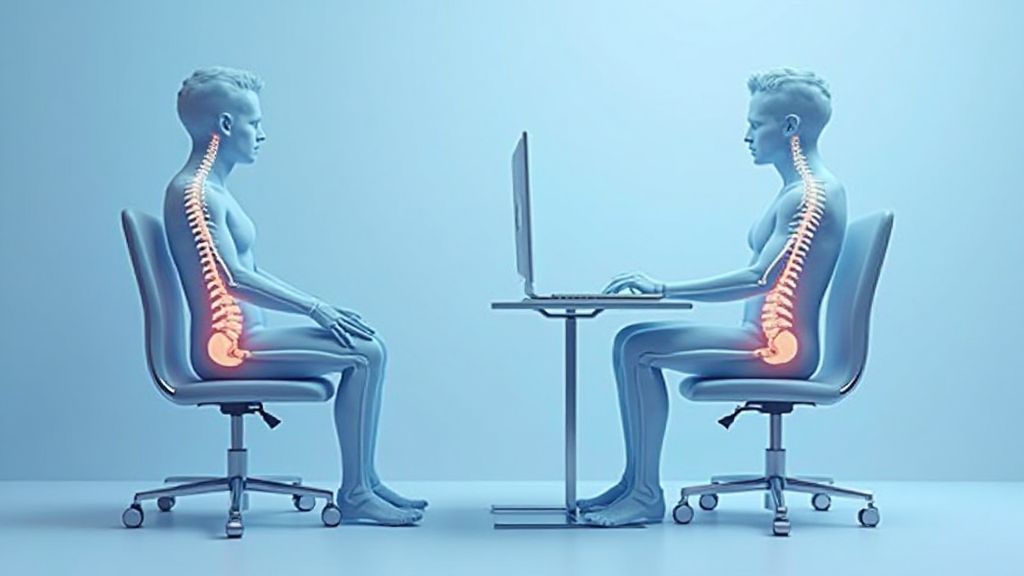
Sitting is a high-compression posture that:
- Increases internal disc pressure significantly.
- Limits the fluid exchange necessary for disc health.
- Reduces movement-based rehydration.
When hydration is already low, sitting-related compression becomes symptomatic much faster.
Explained Further: Sitting All Day and Lower Back Pain: Why It Happens
Hydration vs. Other Disc Support Factors
Hydration is just one part of the disc health equation. Disc comfort also depends on:
- Movement variability: Changing positions frequently.
- Load management: Avoiding excessive repetitive strain.
- Nutrient availability: Supporting tissue repair.
- Nervous system regulation: Managing stress and pain signals.
Recovery Timeline: Why Spinal Discs Heal Slowly
Practical Hydration Considerations for Disc Pain
To support your spine, keep these principles in mind:
- Consistency: Consistent fluid intake throughout the day matters more than drinking large volumes at once.
- Avoid Dehydrators: Excessive caffeine or alcohol can interfere with fluid balance and worsen symptoms.
- Sleep Quality: Most disc rehydration happens while you sleep; poor sleep quality directly impacts this recovery window.
When Hydration Alone Is Unlikely to Help
Hydration is a supportive lifestyle factor, not a primary medical treatment. It will not resolve:
- Severe disc herniation with nerve root compromise.
- Significant spinal stenosis or compression.
- Progressive neurological symptoms (weakness, numbness).
Warning Signs: Symptoms of Spinal Compression
Improve Disc Comfort Without False Promises
Hydration supports disc function—but recovery depends on movement, inflammation control, and load management.
FAQs
- Can dehydration cause disc pain?
It can worsen disc sensitivity and stiffness by reducing the disc’s ability to manage mechanical loads effectively. - Does drinking water restore disc height?
No. While drinking water supports overall fluid balance, only temporary daily rehydration occurs during rest periods; it cannot reverse permanent loss of disc height from degeneration. - Why does disc pain worsen during the day?
Spinal discs naturally lose water and compress under the load of gravity and daily activity, which can increase sensitivity as the day progresses. - Can hydration reduce inflammation?
Indirectly, yes. Proper hydration supports cellular function and the removal of metabolic waste, which helps maintain a healthier inflammatory balance. - Does hydration replace treatment?
No. It is a foundational support factor for recovery, but it is not a cure for structural or mechanical spinal issues. - Why does sitting worsen pain when dehydrated?
Sitting is a high-pressure position. Without adequate hydration to maintain disc “plumpness,” this compression can irritate surrounding nerves and tissues more easily. - Can supplements replace hydration?
No. While some nutrients support tissue health, they require adequate water to be processed and delivered to spinal structures. - Does hydration help degenerative disc disease?
It may improve daily comfort and mobility, but it does not change the underlying structural degeneration of the disc. - How fast does hydration help?
Effects are typically subtle and cumulative. Consistent hydration over several days is more effective than drinking a large amount of water at once. - When should I see a doctor?
You should seek medical evaluation if your symptoms worsen, do not respond to self-care, or if neurological signs—such as weakness, numbness, or tingling—appear.