






When you think of thyme, you probably picture it as a culinary herb that adds flavor to soups, stews, and roasted vegetables. But this humble kitchen staple has a remarkable history as a medicinal plant, particularly for respiratory health. From ancient Egyptian embalming practices to medieval plague remedies and modern herbal medicine, thyme has been trusted for centuries to support breathing and fight respiratory infections.
What makes this common herb so powerful for your lungs? And how can you use it safely and effectively as part of your natural lung health strategy?
This comprehensive guide explores the science behind thyme’s respiratory benefits, practical ways to use it, and how it compares to other herbal remedies like oregano oil and mullein.
Thyme 101: More Than Just a Kitchen Herb
Thyme (Thymus vulgaris) is a perennial herb in the mint family. Its medicinal properties come from several active compounds, most notably:
- Thymol (20-54%): The primary active compound with potent antimicrobial properties
- Carvacrol (1-5%): Another powerful antimicrobial (also found in oregano)
- Flavonoids: Antioxidant compounds that reduce inflammation
- Rosmarinic acid: An anti-inflammatory and antioxidant compound
Important note: Medicinal thyme is typically the common thyme (Thymus vulgaris) used in cooking, but there are many varieties with slightly different chemical profiles.
The Science: How Thyme Benefits Your Respiratory System
1. Natural Antimicrobial Action
Thyme is one of nature’s most effective broad-spectrum antimicrobials. Research shows it’s effective against:
- Respiratory bacteria: Including Streptococcus pneumoniae, Haemophilus influenzae, and Staphylococcus aureus
- Respiratory viruses: May help inhibit viruses that cause colds and flu
- Fungal pathogens: Effective against Candida and other fungi
- Drug-resistant strains: Shows activity against some antibiotic-resistant bacteria
How it helps lungs: By fighting pathogens that cause bronchitis, pneumonia, sinus infections, and other respiratory illnesses, thyme can help prevent infections or reduce their severity and duration. This makes it a valuable tool in your natural respiratory infection toolkit.
2. Expectorant and Bronchodilator Effects
Thyme helps in two important ways:
- Expectorant action: Thins mucus, making it easier to cough up
- Bronchodilator effect: Helps relax bronchial muscles, opening airways
How it helps lungs: These actions make breathing easier during respiratory infections, bronchitis, or flare-ups of conditions like COPD. The expectorant effect is particularly helpful for “productive” coughs where you need to clear mucus.
3. Anti-Inflammatory Properties
Chronic inflammation contributes to many respiratory conditions. Thyme contains compounds that:
- Reduce production of inflammatory cytokines
- Inhibit inflammatory enzymes like COX-2
- Decrease oxidative stress in lung tissue
How it helps lungs: By reducing airway inflammation, thyme may help ease symptoms like wheezing, chest tightness, and persistent coughing associated with inflammatory conditions.
4. Antioxidant Protection
The flavonoids and other compounds in thyme are powerful antioxidants that:
- Neutralize free radicals that damage lung cells
- Protect lung tissue from oxidative stress
- Support overall cellular health in the respiratory system
How it helps lungs: Since lungs are constantly exposed to oxygen and environmental toxins, they’re particularly vulnerable to oxidative damage. Thyme’s antioxidants provide protective support.
Research Evidence: What Studies Show
Clinical Studies on Respiratory Conditions
- Acute Bronchitis: A 2006 study published in Drug Research found that a thyme-ivy combination syrup significantly reduced coughing fits in people with acute bronchitis compared to placebo.
- Cough Relief: Research in the Journal of Alternative and Complementary Medicine showed that a thyme-primrose combination effectively relieved cough symptoms in people with acute bronchitis.
- Antimicrobial Activity: Numerous laboratory studies confirm thyme’s effectiveness against respiratory pathogens. A 2011 study in the Journal of Medical Microbiology found thyme oil was effective against 120 different strains of bacteria from patients with respiratory infections.
- Animal Studies: Research in animals supports thyme’s anti-inflammatory and bronchodilator effects. A study in rats showed thyme extract reduced airway inflammation in an asthma model.
Traditional Use vs. Modern Science
Thyme has been used traditionally for:
- Whooping cough (pertussis)
- Bronchitis
- Chest congestion
- Sore throat
- Sinus infections
Modern research largely supports these traditional uses, particularly for bronchitis and cough relief.
Conditions That May Benefit from Thyme
1. Acute Bronchitis and Cough
- Best form: Thyme tea or syrup
- Timing: At first signs, continue for 7-10 days
- Evidence: Strongest for this application
2. Common Cold and Respiratory Infections
- Best form: Tea, steam inhalation, or throat gargle
- Timing: Throughout illness
- Benefit: May shorten duration, reduce severity
3. Asthma Support (Not for Acute Attacks)
- Best form: Regular tea consumption (long-term)
- Caution: NOT for acute asthma attacks
- Potential: May reduce underlying inflammation
4. COPD Symptom Management
- Best form: Tea or tincture as part of daily regimen
- Benefit: May help manage mucus and reduce infections
- Combination: Works well with other COPD management strategies
5. Sinusitis and Sinus Congestion
- Best form: Steam inhalation
- Method: Add thyme to boiling water, inhale steam
- Benefit: Antimicrobial + decongestant effects
6. Sore Throat and Laryngitis
- Best form: Gargle or tea with honey
- Benefit: Antimicrobial + soothing effects
How to Use Thyme for Respiratory Health
1. Thyme Tea (Simplest and Most Versatile)
For acute issues: Drink 3-4 cups daily
For maintenance: 1-2 cups daily
Recipe:
- 1-2 teaspoons dried thyme (or 2-3 sprigs fresh)
- 8 oz boiling water
- Steep 10-15 minutes
- Strain, add honey and lemon if desired
- Tip: Cover while steeping to preserve volatile oils
2. Thyme Honey (Excellent for Coughs)
Preparation:
- Fill jar 1/3 with fresh thyme sprigs
- Cover completely with raw honey
- Let infuse 2-4 weeks (or use quicker warm method)
- Strain if desired
Use: 1 teaspoon as needed for cough or sore throat
3. Steam Inhalation (For Sinus/Chest Congestion)
Method:
- Add handful of fresh thyme or 2 tbsp dried to pot of boiling water
- Remove from heat
- Drape towel over head, lean over pot (keep safe distance)
- Breathe deeply for 5-10 minutes
- Safety: Keep eyes closed, be careful of steam burns
4. Thyme Tincture (Concentrated Form)
For acute issues: 30-60 drops, 3 times daily
For maintenance: 20-30 drops, 1-2 times daily
Best for: Those who want concentrated, portable form
5. Thyme Syrup (Especially for Children)
Homemade option: Simmer thyme in water, strain, add honey
Commercial options: Often combined with ivy or primrose
Dosage: Follow product instructions
6. Thyme Essential Oil (With Caution)
Important: Never ingest undiluted essential oil
Topical (chest rub): 2-3 drops diluted in 1 tbsp carrier oil
Diffuser: 3-5 drops for respiratory benefits
Steam inhalation: 2 drops in bowl of hot water
Safety and Precautions
Generally Considered Safe When Used Appropriately
- Thyme as a food and in normal culinary amounts is safe for most people
- Medicinal amounts are generally safe for short-term use (up to 2 weeks)
- Long-term use in medicinal amounts should be monitored
Who Should Use Caution:
- Pregnant women: Avoid medicinal amounts (culinary amounts okay)
- Breastfeeding: Safety not established for medicinal amounts
- Children: Use smaller doses, avoid essential oil internally
- Bleeding disorders: May slow blood clotting
- Hormone-sensitive conditions: May have estrogenic effects
- Surgery patients: Discontinue 2 weeks before surgery
Possible Side Effects:
- Digestive upset (with very strong preparations)
- Allergic reactions (rare, more common in people allergic to mint family)
- Headache or dizziness (with very high doses)
Drug Interactions:
- Blood thinners (warfarin, aspirin): May increase bleeding risk
- Estrogen therapies: Theoretical interaction
- Always consult your doctor if taking medications
Thyme vs. Other Respiratory Herbs
Thyme vs. Oregano
- Similarities: Both contain thymol/carvacrol, both antimicrobial
- Differences: Thyme is gentler for regular use, better studied for cough
- Best use: Thyme for regular support, oregano for acute infections
Thyme vs. Mullein
- Thyme: Better for infections, antimicrobial
- Mullein: Better for soothing irritated membranes, less antimicrobial
- Combination: Excellent together—mullein soothes, thyme fights infection
Thyme vs. Eucalyptus
- Thyme: Better for infections, internal use
- Eucalyptus: Better for congestion, mostly external/steam use
- Synergy: Great together in steam inhalations
Thyme vs. Peppermint
- Thyme: Stronger antimicrobial, better for infections
- Peppermint: Better for cough reflex, cooling effect
- Combination: Peppermint can enhance thyme’s cough-relief effects
Choosing Quality Thyme Products
For Dried Thyme:
- Color: Should be green, not brown
- Aroma: Strong, characteristic thyme smell
- Source: Organic preferred to avoid pesticides
- Storage: In airtight container away from light
For Supplements/Tinctures:
- Standardization: Some products standardized for thymol content
- Extraction method: Alcohol or glycerin extracts preserve active compounds
- Third-party testing: For purity and potency
- Combination products: Often combined with ivy, primrose, or marshmallow
For Essential Oil:
- Latin name: Should be Thymus vulgaris or Thymus zygis
- Chemotype: Thymus vulgaris CT thymol is most common
- Purity: 100% pure, therapeutic grade
- Storage: Dark glass bottle, away from heat and light
Integrating Thyme into Your Lung Health Routine
For Acute Respiratory Infection:
- First signs: Begin thyme tea (3-4 cups daily)
- Add honey: For cough and additional antimicrobial effects
- Steam inhalation: For congestion 1-2 times daily
- Continue: For 2-3 days after symptoms improve
- Combine: With rest, hydration, and other natural supports
For Chronic Condition Support:
- Daily maintenance: 1-2 cups thyme tea daily
- Seasonal support: Increase during cold/flu season
- Combine with other herbs: Rotate with other respiratory supports
- Monitor response: Keep symptom journal
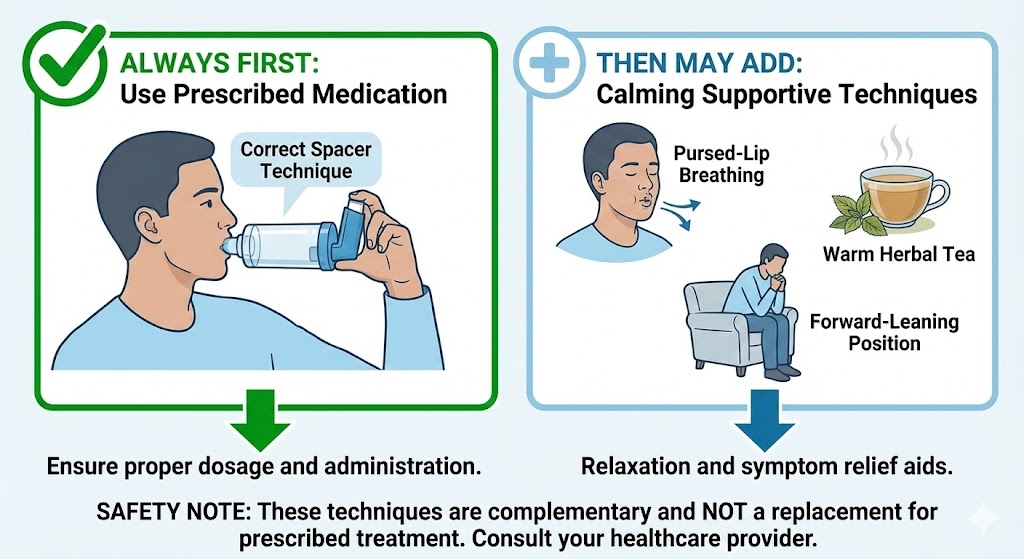
- Maintain conventional treatment: Never replace prescribed medications
For General Respiratory Health:
- Culinary use: Add to soups, stews, roasted vegetables
- Preventive tea: 1 cup daily during high-risk periods
- Home remedy kit: Keep dried thyme on hand
- Educate family: Teach simple thyme tea preparation
The Verdict: Is Thyme Worth Incorporating?
For coughs, bronchitis, and respiratory infections: Absolutely. Thyme has strong traditional use and good scientific support for these applications.
For daily respiratory maintenance: Yes, as part of a varied herbal approach. It’s gentle enough for regular use when rotated with other herbs.
As a standalone treatment for serious conditions: No. While supportive, it should complement rather than replace conventional treatments for conditions like asthma, COPD, or pneumonia.
Final Recommendations:
- Start with tea: The simplest, safest form
- Use fresh or properly dried: Maximize active compounds
- Combine wisely: With honey for cough, with other herbs for comprehensive support
- Respect its potency: Even gentle herbs deserve respect
- Listen to your body: Adjust based on your response
Thyme represents the perfect balance between kitchen herb and medicinal plant. It’s accessible, affordable, and backed by both tradition and science. Whether you’re fighting a winter cold or supporting long-term respiratory health, this humble herb deserves a place in your natural medicine cabinet and your lung health resource toolkit.
FAQs
1. How quickly does thyme work for cough?
For acute coughs, many people notice improvement within 1-2 days of regular thyme tea consumption (3-4 cups daily). The expectorant effect helps clear mucus quickly, while antimicrobial effects work on the underlying infection. Maximum benefit usually occurs within 3-5 days of consistent use.
2. Can thyme tea help with COVID-19 cough?
Thyme may help soothe COVID-19 related cough symptoms due to its expectorant and anti-inflammatory properties, but it won’t cure COVID-19. Use it for symptom relief alongside medical care. The steam inhalation method may also help with congestion but won’t affect the viral infection itself.
3. Is thyme safe for children with cough?
Yes, in appropriate forms and doses. Thyme tea (weakly brewed) with honey is generally safe for children over 1 year (honey not recommended under 1). For younger children, consult a pediatrician. Avoid thyme essential oil internally in children.
4. How does thyme compare to over-the-counter cough medicine?
Thyme works differently than most OTC cough medicines. While many suppress the cough reflex, thyme is an expectorant that helps you cough more effectively to clear mucus. It also has antimicrobial properties that address the cause. Some people prefer this natural approach, especially for productive coughs.
5. Can I grow my own medicinal thyme?
Absolutely! Thyme is easy to grow in well-drained soil with plenty of sun. The medicinal properties are strongest just before flowering. Harvest in the morning after dew dries. Dry bunches upside down in a dark, well-ventilated area, then store leaves whole in airtight containers.
6. Does cooking destroy thyme’s medicinal properties?
Some loss occurs with prolonged high heat, but thyme retains significant benefits even when cooked. Adding it toward the end of cooking preserves more volatile oils. For maximum medicinal benefit, tea or other preparations without prolonged heating are best.
7. Can thyme help with allergic asthma?
Thyme’s anti-inflammatory properties may provide some support for allergic asthma by reducing airway inflammation. However, it shouldn’t replace prescribed asthma medications. Some people with asthma are sensitive to strong herbs, so start cautiously and monitor your response.
8. How long can I safely use thyme daily?
For acute issues, 7-14 days is generally safe. For daily maintenance, many herbalists recommend taking a break after 3-4 weeks of daily use—try one week off for every three weeks on, or rotate with other respiratory herbs like mullein or plantain.
9. Can thyme interact with my blood pressure medication?
There’s no strong evidence of interaction with blood pressure medications, but thyme may have mild blood pressure-lowering effects. If you take blood pressure medication, monitor your levels when starting thyme and consult your doctor if concerned.
10. What’s better: fresh or dried thyme for medicinal use?
Both are effective. Fresh thyme has higher volatile oil content but is less convenient. Dried thyme, if properly dried and stored, retains most medicinal properties. For tea, dried is often preferred because it’s easier to measure. For culinary medicinal use (like in bone broth), fresh works well.