






Imagine if your body had its own built-in system to relax your airways, improve blood flow to your lungs, and fight infection—all without a prescription. It does. The key is a simple molecule called Nitric Oxide (NO).
Long celebrated for its role in cardiovascular health, nitric oxide is now recognized as a critical player in respiratory wellness. It acts as your body’s natural bronchodilator and vasodilator, working silently to keep your airways open and your lung tissue well-oxygenated.
This guide will explain the nitric oxide breakthrough for lung health. You’ll learn what it is, why it’s essential for breathing, and discover science-backed strategies to enhance your body’s production of this vital molecule as part of a comprehensive approach to restoring lung health naturally.
What is Nitric Oxide? Your Lungs’ Signaling Superhero
Nitric oxide is a gasotransmitter—a gaseous signaling molecule produced naturally by your body. In your respiratory system, it’s primarily produced in the paranasal sinuses and by the cells lining your blood vessels and airways.
Think of nitric oxide as the “relaxation messenger.” When released, it tells the smooth muscles surrounding your bronchi (airways) and blood vessels to relax and widen.
The Dual-Action Benefit for Lungs:
- Bronchodilation: Relaxes airway muscles, making it easier to breathe.
- Vasodilation: Widens blood vessels in the lungs, improving oxygen exchange.
- Antimicrobial Action: Helps neutralize viruses, bacteria, and fungi in the airways.
- Anti-Inflammatory: Helps regulate the immune response in lung tissue.
Why Nitric Oxide is a Game-Changer for Respiratory Conditions
Research has shown that impaired nitric oxide production or function is linked to several lung conditions:
- Asthma: Often involves a deficiency in the enzyme that produces NO in the airways. Interestingly, exhaled NO is a biomarker used to diagnose eosinophilic (allergic) asthma.
- COPD & Pulmonary Hypertension: Characterized by reduced NO bioavailability, contributing to narrowed airways and blood vessels.
- Cystic Fibrosis & Bronchiectasis: Reduced airway NO allows infections to take hold more easily.
- High-Altitude Sickness: NO helps the body acclimatize to low oxygen environments.
The goal isn’t to supplement with NO gas directly (which is a medical treatment), but to optimize your body’s own production pathways.
The 5 Science-Backed Ways to Boost Your Nitric Oxide Naturally
1. Master Nasal Breathing: Your Built-In NO Factory
Your sinuses are a primary production site for nitric oxide. Breathing through your nose, not your mouth, is the simplest way to harness it.
- The Science: Nasal breathing draws air slowly over the sinus cavities, allowing NO to be swept into the lower lungs.
- The Practice: Consciously breathe through your nose during the day. Try “Nitric Oxide Dumps”: Take 4-5 gentle, quick nasal inhalations followed by a slow, complete exhale through the mouth. Repeat 3-4 times.
- For Sleep: Use mouth tape or chin straps if you’re a chronic mouth-breather at night. This can be integrated into a holistic daily lung maintenance routine.
2. Eat for NO Production: The Nitrate-to-Nitrite Pathway
Your body can create NO from dietary nitrates found in specific vegetables.
- Top Food Sources: Beetroot, arugula, spinach, celery, and kale.
- How it Works: Gut bacteria convert nitrates to nitrites, which are then converted to NO in the blood and tissues.
- Maximize It: Consume these foods raw or lightly cooked. Try 2 oz of beetroot juice 45 minutes before exercise. Avoid antibacterial mouthwash, as it kills the oral bacteria essential for this conversion.
3. Harness Humming and Singing: The Vibrational Boost
The vibrations from humming dramatically increase sinus NO production.
- The Science: A Swedish study found that humming increased sinus NO levels by 15-fold compared to quiet exhalation.
- The Practice: Hum your favorite tune for 5-10 minutes daily. The “NG” sound (as in “sing”) is particularly effective. Singing also promotes deep, controlled breathing, enhancing delivery.
4. Get the Right Exercise: The Hemodynamic Trigger
Blood flow shear stress—the force of blood against vessel walls—is a primary signal for NO production.
- Best Types: High-Intensity Interval Training (HIIT) and strength training create optimal shear stress. Even brisk walking helps.
- Important: Avoid being sedentary, as it’s one of the “healthy” habits that can harm your lungs over time. Consistent, moderate movement is key.
5. Optimize Key Nutrients: The Cofactor Support
Your body needs specific nutrients to synthesize NO efficiently.
- L-Citrulline/L-Arginine: These amino acids are direct precursors to NO. Supplementing with L-citrulline (3-6g daily) may be more effective than L-arginine.
- Antioxidants (Vitamin C, E, Polyphenols): NO is degraded by oxidative stress. Antioxidants protect it. Eat berries, citrus, nuts, and green tea.
- B Vitamins & Folate: Essential for recycling the cofactor (BH4) needed for NO synthesis.
Special Focus: Nitric Oxide for Specific Conditions
For Asthma:
- Focus: Nasal breathing is non-negotiable to humidify, filter, and NO-enrich every breath.
- Caution: While boosting general NO is good, discuss exhaled NO (FeNO) testing with your doctor to understand your specific airway inflammation.
For COPD & Emphysema:
- Focus: Improving blood vessel (vascular) NO to enhance oxygenation is crucial. Beetroot juice before gentle exercise may improve tolerance.
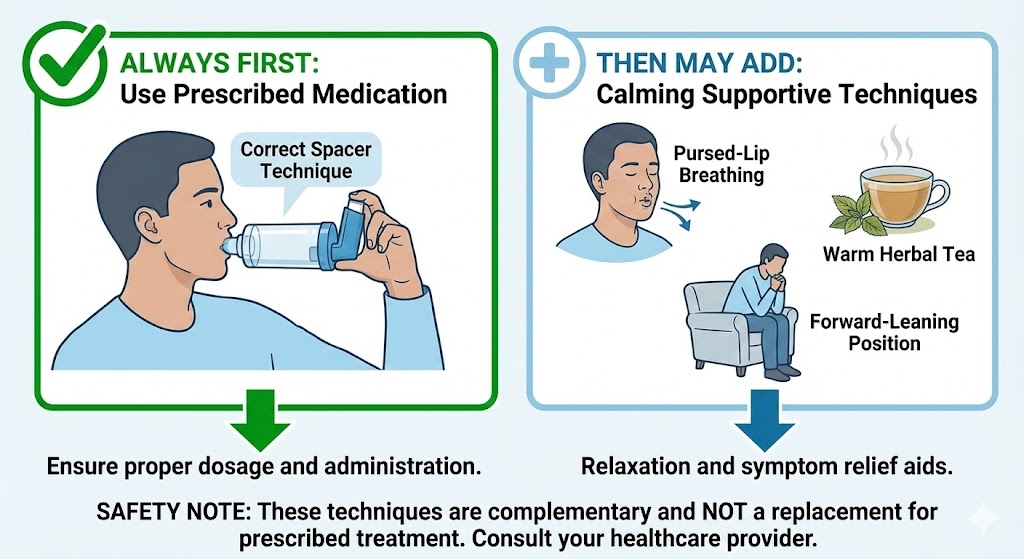
- Strategy: Combine with pursed-lip breathing techniques from our guide on breathing exercises for lung capacity.
For Athletic Performance & Altitude:
- Focus: Dietary nitrates (beetroot juice) are proven to reduce the oxygen cost of exercise, letting you breathe easier at higher intensities or elevations.
- Timing: Consume 60-90 minutes before activity.
For Immune Defense:
- Focus: Nasal breathing and humming can bolster the upper airway’s first line of defense against pathogens, especially during cold/flu season.
What to Avoid: Common NO Blockers
Several common habits and substances can inhibit NO production:
- Mouth Breathing: Bypasses the sinus NO factory.
- Antibacterial Mouthwash: Kills essential nitrate-converting oral bacteria (use sparingly).
- Proton Pump Inhibitors (PPIs): Stomach acid is needed for some NO pathways; long-term use may reduce NO.
- High Sugar & Processed Food Diet: Promotes inflammation and oxidative stress that destroys NO.
- Chronic Stress: High cortisol levels impair NO synthase function.
Your 7-Day Nitric Oxide Action Plan
Day 1-2: Awareness. Practice nasal breathing all day. Notice when you switch to mouth breathing.
Day 3-4: Nutrition. Add one serving of dark leafy greens or beetroot to one meal.
Day 5-6: Activation. Do two 5-minute humming sessions and one 20-minute brisk walk.
Day 7: Integration. Combine all: nasal breath during a walk, have a nitrate-rich salad, hum in the shower.
The Verdict: A Powerful Piece of the Puzzle
Boosting nitric oxide is not a magic bullet, but it is a profoundly important lever you can pull to support your respiratory system at a fundamental level. It works synergistically with other strategies like the lung detox diet and targeted lung health supplements.
By making simple, consistent changes to how you breathe, eat, and move, you can enhance your body’s innate ability to keep your airways open, your blood oxygen-rich, and your defenses strong.
FAQs
1. Can I take a nitric oxide supplement for my lungs?
The most common “NO booster” supplements contain L-arginine or L-citrulline. While they can raise systemic NO levels, their direct impact on airway NO is less certain. For lung health, focusing on nasal breathing and dietary nitrates (from food) is often more targeted and effective. Always consult your doctor before starting new supplements, especially if you have low blood pressure or take medications.
2. Is exhaled nitric oxide (FeNO) testing important?
FeNO testing is a valuable clinical tool, primarily for diagnosing and managing eosinophilic asthma. A high FeNO level indicates allergic inflammation in the airways and can help guide steroid treatment. It is less useful for monitoring general NO status from diet or lifestyle. Talk to your pulmonologist about whether this test is right for you.
3. Does nasal breathing really make that much difference?
Absolutely. Chronic mouth breathing bypasses the sinuses, depriving your lungs of humidified, filtered, and NO-enriched air. It can contribute to dry airways, increased infection risk, and worsened asthma or COPD symptoms. Retraining to breathe through your nose is one of the most impactful free changes you can make for lung health.
4. Are there any risks to boosting nitric oxide?
For most people, boosting NO naturally is very safe. However, because NO lowers blood pressure, individuals with already very low blood pressure should introduce changes gradually. Those taking nitrate medications (for angina) or PDE5 inhibitors (like sildenafil/Viagra) should avoid concentrated beetroot juice/supplements unless approved by their doctor, due to a risk of additive blood pressure-lowering effects.
5. How quickly will I notice improvements?
Some effects, like easier nasal breathing, can be noticed within days. The vasodilatory benefits from dietary nitrates (like improved exercise stamina) typically peak 2-3 hours after consumption and can become more sustained with regular intake over 1-2 weeks. The antimicrobial and anti-inflammatory benefits are ongoing with consistent practice.
Still Have Questions? We Have Answers.
Lung health is complex. If you’re wondering “What about…?” or “What’s next for me?”, you’re not alone. Our Resource Hub is built to be your **first stop for trustworthy, in-depth answers** on every aspect of respiratory wellness.
- Condition-Specific Guides (COPD, Asthma, Post-COVID)
- Step-by-Step Detox & Recovery Plans
- Science-Backed Natural & Conventional Strategies