





Why Most Probiotics Simply Don’t Work
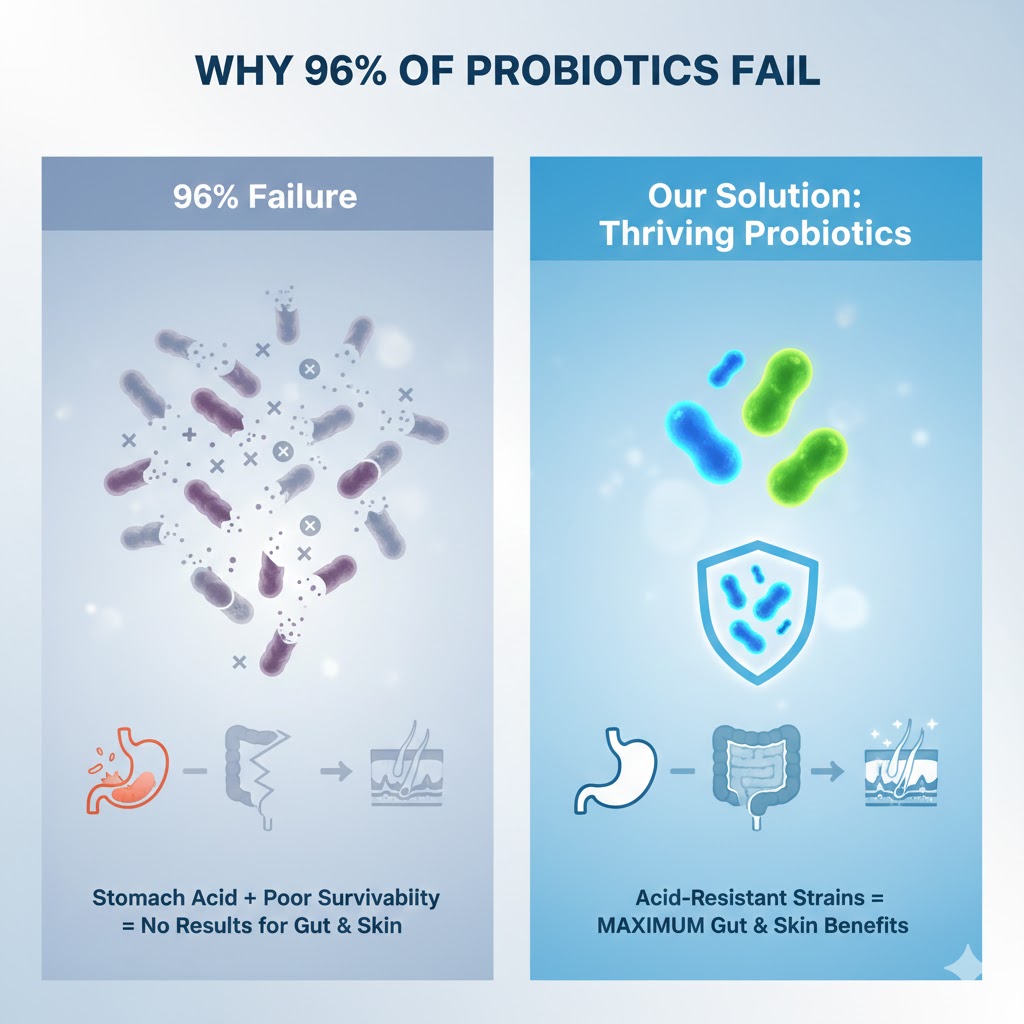
Probiotics are one of the most purchased supplements worldwide — yet up to 96% fail to deliver real benefits for gut health or skin clarity.
Why?
Because most probiotic products:
- contain the wrong strains
- die before reaching your intestines
- are under-dosed
- use outdated formulations
- ignore the gut–skin axis entirely
If your probiotic hasn’t improved digestion, acne, bloating, or inflammation, you’re not alone.
The good news?
There are specific kinds of probiotics that genuinely work — but only when they meet scientific criteria.
Let’s break it all down.
Most Probiotics Don’t Survive Stomach Acid
Your stomach is highly acidic (pH 1.5–3.5) to kill harmful bacteria.
Unfortunately, common probiotics:
- die instantly in stomach acid
- never reach the small intestine
- cannot colonize the gut
This means the majority of probiotic capsules, gummies, and drinks offer almost zero benefit.
What works instead?
✔️ Probiotics with acid-resistant strains
Such as:
- Lactobacillus plantarum
- Bifidobacterium longum
- L. rhamnosus GG
These strains naturally survive the acidic environment and reach your gut alive.
Many Probiotics Contain Meaningless or Weak Strains
Some brands use strains with no clinical evidence, often because:
- they’re cheap
- easy to mass-produce
- help companies cut costs
But your gut and skin need clinically validated strains that affect inflammation, digestion, and barrier health.
The best strains for skin and gut include:
- L. rhamnosus GG → reduces acne inflammation
- L. plantarum → strengthens gut lining
- B. longum → supports skin barrier and hydration
For more details:
👉 The 4 Best Probiotic Strains for Clear Skin
Dose Matters: Most Probiotics Are Underpowered
A probiotic must contain billions of CFUs — but CFUs alone don’t determine effectiveness.
The key factors include:
- clinical dosage levels
- survivability
- strain potency
- synergy with other strains
Many cheap probiotics include:
- low CFU counts
- filler strains
- unstable blends
…which means they have no real therapeutic effect.
No Prebiotics = No Long-Term Results
Even if you take a good probiotic, the bacteria need food to thrive.
Prebiotics such as:
- inulin
- FOS
- GOS
- resistant starch
…act as fertilizer for good bacteria.
Without prebiotics, probiotics:
- fade quickly
- cannot colonize
- deliver temporary or weak benefits
The best formulas include both probiotics + prebiotic support.
Probiotic Gummies Are Often the Worst Offenders
Consumers love gummies — but scientifically, they fail because:
- heat destroys live bacteria
- sugar kills beneficial microbes
- moisture reduces survivability
- most strains cannot survive transport or storage
If your probiotic tastes like candy, it’s probably not improving your gut.
Many Probiotics Ignore the Gut–Skin Axis
A major mistake:
Most brands fail to include strains that target skin inflammation, barrier function, and hormonal balance.
To improve acne, eczema, rosacea, or early aging, a probiotic must:
✔️ reduce inflammation
✔️ strengthen the gut lining
✔️ support nutrient absorption
✔️ reduce cortisol and stress
✔️ enhance antioxidant capacity
This is why many people say:
“Probiotics never help my skin.”
They simply took the wrong kind.
What Actually Works: The 4 Essential Criteria
To see real results in gut and skin health, a probiotic must have:
1. Acid-resistant, clinically validated strains
Especially the ones proven to influence inflammation and skin.
2. A protective delivery system
So bacteria survive stomach acid.
3. A meaningful dose
With evidence-backed CFUs.
4. Prebiotic support
To help the bacteria survive and multiply.
A formula that meets these criteria delivers:
- better digestion
- lower inflammation
- clearer skin
- improved mood
- stronger immune function
One clinically aligned option is:
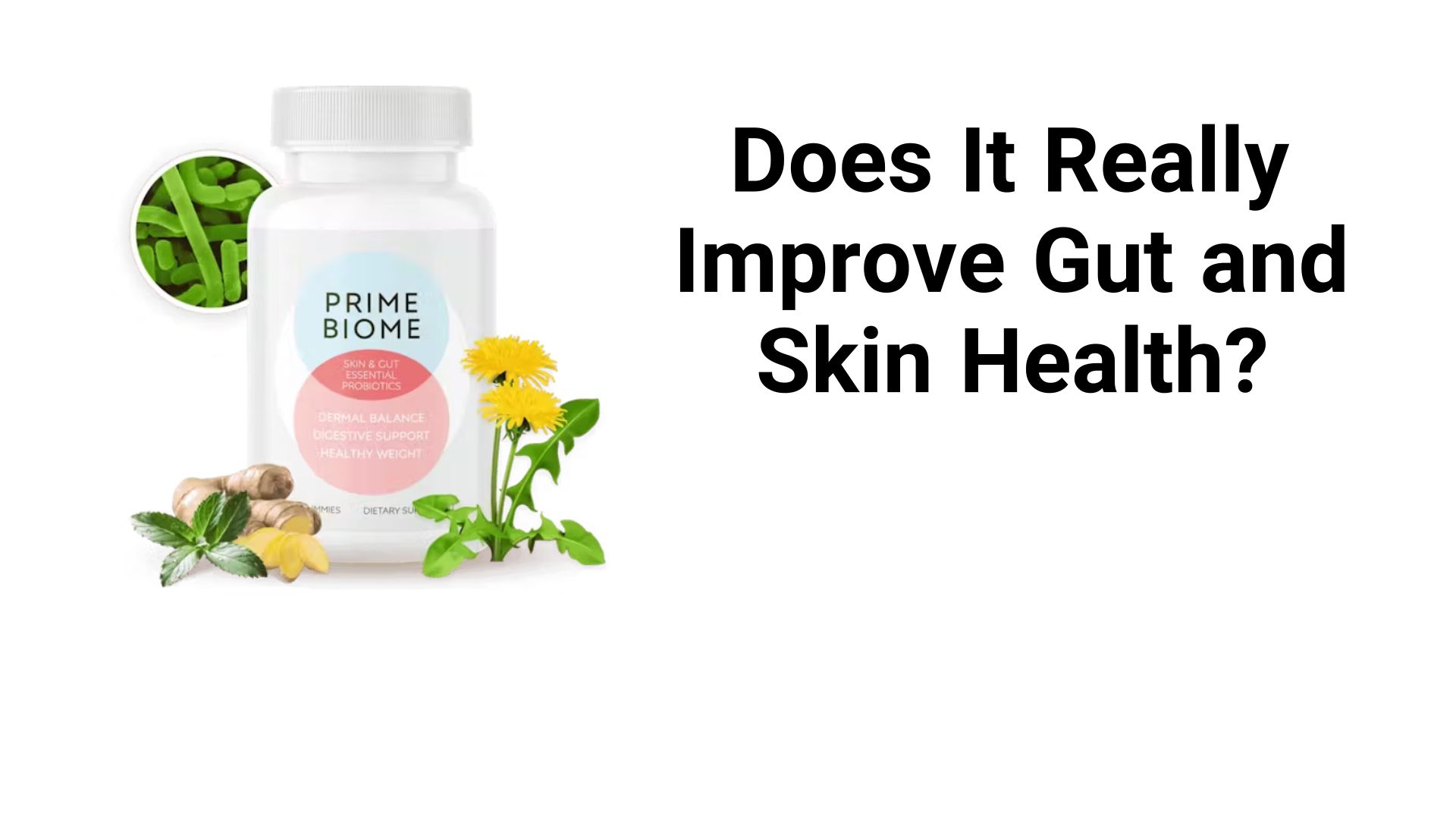
👉 PrimeBiome
Designed specifically for the gut–skin axis, with the right strains, delivery method, and prebiotics to support both digestion and clear skin.
⭐ Related Articles
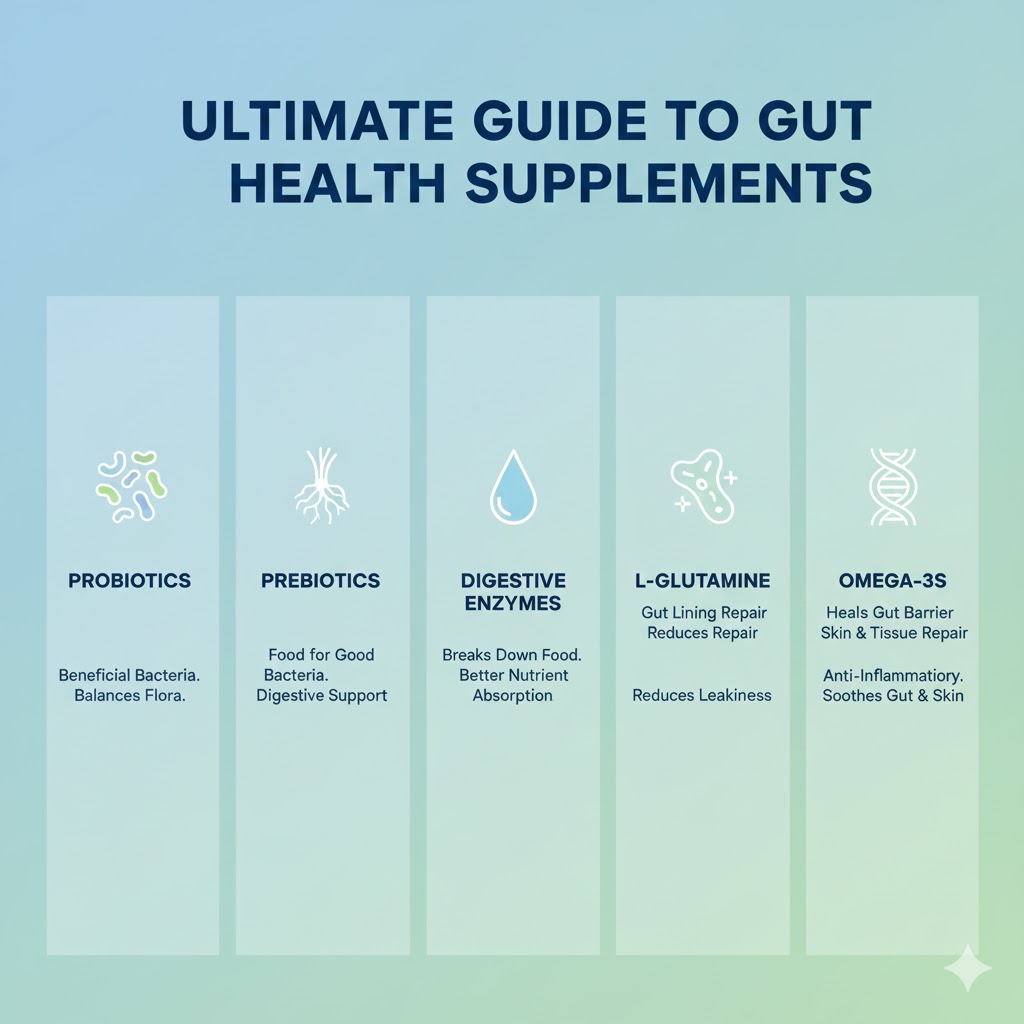
- The Ultimate Guide to Gut Health Supplements
- Why Gut Health Is the Secret to Acne-Free Skin
- Complete Guide to Gut Health
- PrimeBiome Review
Frequently Asked Questions (FAQs)
1. Why do most probiotics fail?
Because they don’t survive stomach acid or include clinically effective strains.
2. Do probiotics help skin health?
Yes — when using strains that reduce inflammation and support the gut–skin axis.
3. How long does it take to see results?
Most people see improvements in 3–6 weeks.
4. Do CFUs matter?
Yes, but survivability and strain quality matter more.
5. Why are prebiotics important?
They feed beneficial bacteria and allow colonization.
6. Are refrigerated probiotics better?
Not necessarily — stability and delivery method are more important.
7. Can probiotics reduce acne?
Certain strains can significantly reduce inflammatory acne.
8. What kills probiotics before they reach the gut?
Heat, moisture, sugar, and stomach acid.
9. Are probiotic gummies effective?
No — they’re unstable and often destroyed by heat and sugar.
10. What probiotic works best for skin and gut?
A strain-diverse formula with prebiotics and acid-resistant strains, such as PrimeBiome.

Part of the 4% That Actually Works
PrimeBiome is formulated with clinically studied strains specifically for gut-skin health, bypassing common probiotic failures.
Try What Actually Works →