Stay Informed With Trusted Health Insights
Join 5,000+ readers who receive evidence-informed health articles, wellness tips, supplement reviews, and practical health guides delivered straight to their inbox.
Get Free Health UpdatesNo spam. Just helpful health education, updates, and resources.
If you’ve researched natural approaches to lung health, you’ve likely encountered NAC (N-Acetyl Cysteine). This unique supplement has gained remarkable attention from both the natural health community and conventional medicine for its powerful effects on respiratory function. But what exactly is NAC, and does it live up to the hype for lung conditions?
NAC is more than just another supplement—it’s actually used in hospitals as a prescription medication for specific lung conditions. Yet it’s also available over-the-counter as a dietary supplement. This dual status makes it both promising and confusing for those seeking natural respiratory support.
This ultimate guide explores everything you need to know about NAC for lung health: the science, the benefits, the proper usage, and how it compares to other lung health supplements in your wellness toolkit.
What is NAC? From Hospital to Home Supplement
NAC (N-Acetyl Cysteine) is a modified form of the amino acid cysteine. What makes it special is its ability to:
- Boost glutathione production – Your body’s “master antioxidant”
- Break down mucus – Through its mucolytic (mucus-thinning) properties
- Reduce oxidative stress – Protecting lung tissue from damage
- Modulate inflammation – Balancing immune responses in the respiratory system
Medical vs. Supplement Use:
- Prescription form: Used intravenously for acetaminophen overdose and as an inhaled solution for cystic fibrosis and COPD
- Supplement form: Available orally for general antioxidant support and respiratory health
The Science: How NAC Specifically Benefits Lungs
1. Mucolytic Action: Breaking Down Stubborn Mucus
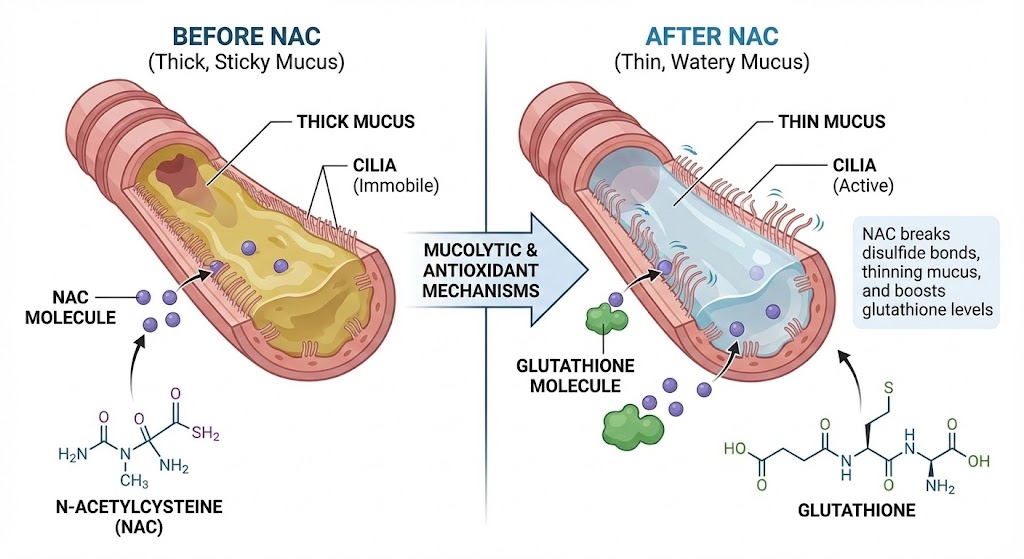
NAC’s most famous property is its ability to break the disulfide bonds in mucus proteins, making thick, sticky mucus more watery and easier to cough up. This is why it’s used medically for conditions with excessive, viscous mucus like COPD and cystic fibrosis.
Mechanism: NAC donates a sulfur group that breaks the protein bonds in mucus, similar to how dish soap breaks down grease.
2. Antioxidant Protection: The Glutathione Connection
NAC is a precursor to glutathione—your body’s most powerful antioxidant. Lung tissue is particularly vulnerable to oxidative damage because:
- High oxygen exposure generates free radicals
- Environmental toxins create oxidative stress
- Inflammation produces reactive oxygen species
Why this matters: Low glutathione levels are associated with worse outcomes in respiratory conditions. NAC helps ensure your lungs have adequate antioxidant protection.
3. Anti-Inflammatory Effects
Chronic inflammation drives many respiratory conditions. NAC helps by:
- Reducing inflammatory cytokines like IL-6 and TNF-α
- Inhibiting NF-κB (a key inflammation regulator)
- Modulating immune cell activity in the airways
4. Protection Against Environmental Damage
Studies suggest NAC may help protect lungs from:
- Air pollution and particulate matter
- Cigarette smoke (relevant for smokers’ lung recovery)
- Occupational exposures
- Respiratory toxins
Research Evidence: What Studies Show
COPD (Chronic Obstructive Pulmonary Disease)
The evidence: Multiple meta-analyses show NAC reduces COPD exacerbations by approximately 25-30%.
How it helps:
- Reduces frequency of flare-ups
- Improves mucus clearance
- May slow decline in lung function
- Particularly effective at higher doses (1200mg daily)
Study example: The HIACE trial found 1200mg daily NAC significantly reduced exacerbations and improved quality of life in COPD patients.
Bronchiectasis and Chronic Bronchitis
The evidence: NAC helps thin mucus, making it easier to clear, reducing infection risk.
Clinical use: Often prescribed in Europe for these conditions.
Asthma
The evidence: Mixed but promising. NAC may help by:
- Reducing oxidative stress in airways
- Thinning bronchial secretions
- Possibly reducing bronchial hyperreactivity
Important note: Not for acute asthma attacks—always use prescribed rescue medications.
Cystic Fibrosis
The evidence: Inhaled NAC is used to help clear thick mucus.
Oral NAC: May provide additional antioxidant support.
Respiratory Infections
The evidence: May help prevent viral infections and reduce severity by:
- Disrupting viral replication mechanisms
- Supporting immune function
- Protecting lung tissue from inflammatory damage
Conditions That May Benefit from NAC
Primary Applications (Strongest Evidence):
- COPD maintenance – Reducing exacerbations
- Chronic bronchitis – Mucus clearance
- Bronchiectasis – Managing secretions
- Cystic fibrosis support – Alongside conventional treatment
Secondary Applications (Promising Evidence):
- Asthma support – Not for acute attacks
- Respiratory infection prevention – Especially viral
- Smoking-related damage – Protective effects
- General antioxidant support – For those with high oxidative stress
Investigational Applications (Early Research):
- Idiopathic pulmonary fibrosis – Antioxidant support
- COVID-19 recovery – Post-infection support
- Environmental toxin protection – For high-exposure individuals
How to Use NAC for Lung Health
Dosage Guidelines
For General Maintenance/Antioxidant Support:
- Dose: 600mg daily
- Timing: With or without food
- Duration: Can be used long-term with monitoring
For COPD/Chronic Bronchitis (Based on research):
- Effective dose: 600mg twice daily OR 1200mg once daily
- Evidence: Higher doses (1200mg+) show best results for reducing exacerbations
- Timing: With meals to reduce stomach upset
For Acute Respiratory Issues:
- During infection: 600mg twice daily for 7-14 days
- For mucus clearance: 600mg every 8-12 hours until improved
- Important: Not a substitute for medical care during serious infections
For Prevention During High-Risk Periods:
- Cold/flu season: 600mg daily for 1-3 months
- Pollution/smoke exposure: 600mg daily during exposure periods
- Travel: Consider during flights or in polluted areas
Forms of NAC
1. Oral Capsules/Tablets (Most Common)
- Pros: Convenient, standardized dosing
- Cons: Some people experience stomach upset
- Best for: Daily maintenance, systemic effects
2. Powder Form
- Pros: Can adjust dose easily, often more affordable
- Cons: Unpleasant taste (sulfur-like), less convenient
- Best for: Those who need flexible dosing
3. Effervescent Tablets
- Pros: Better absorption for some, easier on stomach
- Cons: Often contains additives/sweeteners
- Best for: Those with digestive sensitivity
4. Liposomal NAC (Emerging)
- Pros: Enhanced absorption, potentially more effective
- Cons: More expensive, limited research
- Best for: Those seeking maximum bioavailability
Timing and Administration Tips
- With food: Reduces risk of stomach upset
- Consistency: Take at same time(s) daily
- Hydration: Drink plenty of water (enhances mucolytic effect)
- Avoid with: Milk/dairy (can reduce absorption)
- Cycling consideration: Some practitioners recommend breaks (e.g., 5 days on, 2 days off)
Safety, Side Effects, and Contraindications
Generally Well-Tolerated But Monitor For:
Common Side Effects (Usually Mild):
- GI issues: Nausea, diarrhea, stomach pain (reduce dose or take with food)
- Headache: Usually temporary
- Skin reactions: Rash (rare)
Less Common But Important:
- Asthma exacerbation: Rare but possible in sensitive individuals
- Unpleasant odor: Some notice sulfur-like smell in sweat/urine
- Allergic reactions: Very rare
Who Should Use Caution or Avoid:
Contraindications:
- Peptic ulcer disease – May irritate stomach
- Asthma patients – Monitor closely, can sometimes worsen bronchospasm
- Bleeding disorders – May affect blood clotting
- Kidney stones (cystine) – Consult doctor
Special Populations:
- Pregnancy/breastfeeding: Limited safety data, consult doctor
- Children: Only under medical supervision
- Elderly: Start with lower doses
Medication Interactions:
- Nitroglycerin: Potentiates effects (can cause severe headaches)
- Blood thinners: Potential interaction (monitor)
- Activated charcoal: Reduces NAC absorption
- Antibiotics: Theoretical interaction with some
- Always disclose NAC use to healthcare providers
The FDA Controversy: What You Need to Know
In 2020, the FDA attempted to ban NAC as a dietary supplement, claiming it was first approved as a drug. After backlash, they reversed course but the situation highlighted:
- Status: Currently sold as both drug and supplement
- Quality concerns: Choose reputable brands with third-party testing
- Future regulation: Could become prescription-only eventually
Choosing a Quality NAC Supplement
What to Look For:
1. Purity and Testing
- Third-party verified: USP, NSF, or ConsumerLab.com certification
- Heavy metal testing: Important for sulfur-containing supplements
- Purity: Should be ≥98% pure NAC
2. Form and Additives
- Minimal additives: Avoid unnecessary fillers/binders
- Vegetarian capsules: Often preferred
- Non-GMO verification: If important to you
3. Dosage Form
- Standard capsules: Most common, reliable
- Sustained-release: May provide more stable levels
- Combination formulas: Often with other antioxidants
Red Flags:
- Extremely low price (quality NAC isn’t cheap)
- No third-party testing
- Proprietary blends hiding NAC amount
- Missing expiration date
Recommended Brands (Types):
- Pharmaceutical-grade: Often sold in powder form
- Professional lines: Available through practitioners
- Reputable supplement companies: With transparent testing
NAC vs. Other Lung Supplements
NAC vs. Glutathione
- NAC: Precursor, more stable, better absorbed orally
- Glutathione: Direct antioxidant, poor oral absorption
- Best approach: NAC often more effective for raising glutathione levels
NAC vs. Other Mucolytics
- NAC: Breaks disulfide bonds in mucus
- Guaifenesin: Increases mucus water content (different mechanism)
- Bromelain: Anti-inflammatory, may help thin mucus
- Synergy: Often used together in comprehensive protocols
NAC vs. Mullein and Thyme
- NAC: Pharmaceutical-grade mucolytic, strong antioxidant
- Herbs: Gentler, broader traditional uses
- Combination: Excellent—herbs soothe, NAC breaks down mucus
NAC in Comprehensive Protocols
Often combined with:
- Vitamin C: Enhances antioxidant effects
- Selenium: Supports glutathione enzyme systems
- Zinc: Immune support
- Magnesium: Bronchodilator properties
Clinical Protocols: How Healthcare Providers Use NAC
Hospital/Clinical Settings:
- IV NAC: For acetaminophen overdose (completely different use)
- Inhaled NAC: For cystic fibrosis, bronchiectasis
- Oral prescription: High-dose for specific conditions
Integrative Medicine Approaches:
- Pulsed therapy: Higher doses during flare-ups, lower maintenance
- Seasonal use: Increased during winter/illness season
- Combination protocols: With other antioxidants and herbs
Monitoring and Follow-up:
- Regular lung function tests: If available
- Symptom tracking: Mucus consistency, cough frequency
- Blood tests: Liver enzymes (with high/long-term use)
- Quality of life measures: Exercise tolerance, daily symptoms
Practical Tips for Getting Started
Step-by-Step Introduction:
- Start low: 600mg daily for 1-2 weeks
- Assess tolerance: Watch for GI issues or other side effects
- Increase gradually: If needed for therapeutic effect
- Monitor response: Track symptoms in a journal
- Adjust timing: If stomach upset occurs, try with food or divide doses
Maximizing Effectiveness:
- Stay hydrated: Essential for mucolytic action
- Combine with breathing exercises: Like those in our breathing exercise guide
- Address root causes: Don’t just treat symptoms
- Be patient: May take 2-4 weeks to notice full effects
When to Re-evaluate:
- No improvement after 1 month at appropriate dose
- Side effects that don’t resolve with adjustment
- Condition worsens or new symptoms appear
- Starting new medications that might interact
The Bottom Line: Is NAC Right for You?
NAC Is Likely Beneficial If You Have:
- COPD or chronic bronchitis with thick mucus
- Frequent respiratory infections
- High oxidative stress or toxin exposure
- Recommendations from your healthcare provider
Consider Alternatives or Additional Supports If:
- You have sensitive digestion
- You’re pregnant or breastfeeding
- You prefer gentler, traditional herbal approaches
- You’re looking for acute cough relief (NAC is more for chronic management)
The Verdict:
NAC stands out as one of the few supplements with:
- Strong clinical evidence for specific conditions
- Dual status as both supplement and medication
- Multiple mechanisms of action relevant to lung health
- Decades of safety data when used appropriately
For those with chronic respiratory conditions characterized by excessive, thick mucus—particularly COPD and bronchiectasis—NAC represents one of the most evidence-based natural interventions available.
As with any supplement, it works best as part of a comprehensive approach that includes conventional medical care, lifestyle modifications, and other supportive strategies outlined in our lung health resource hub.
Important final note: While this guide provides comprehensive information, individual needs vary. Always consult with a healthcare provider familiar with both your health status and NAC’s applications before starting any new supplement regimen, especially at higher therapeutic doses.
FAQs
1. How long does it take for NAC to work for lung mucus?
Most people notice improved mucus clearance within 1-2 weeks of consistent use at appropriate doses (600-1200mg daily). Maximum benefits for reducing COPD exacerbations typically appear after 3-6 months of consistent use. For acute mucus issues during infections, effects may be noticeable within a few days.
2. Can NAC help with COVID-19 or long COVID?
Early research suggested potential benefits for COVID-19 due to its antioxidant and mucolytic properties, but results have been mixed. Some integrative practitioners use it for long COVID support to address oxidative stress and inflammation. However, it’s not a proven treatment for acute COVID-19 and should not replace medical care.
3. Is it safe to take NAC every day long-term?
For most people, yes—when taken at appropriate doses. Studies have used NAC for up to 2 years continuously in COPD patients. However, some practitioners recommend periodic breaks (e.g., 5 days on, 2 days off or 3 months on, 1 month off) to prevent potential receptor downregulation. Regular monitoring with a healthcare provider is recommended for long-term use.
4. Can NAC worsen asthma?
Rarely, but it’s possible. While NAC is generally safe for asthma and may provide benefits by reducing oxidative stress, there are isolated reports of it causing bronchospasm in sensitive individuals. Asthma patients should start with a low dose (300mg) and monitor their response. Never use NAC instead of prescribed asthma medications.
5. What’s the difference between NAC and regular cysteine?
NAC is better absorbed and more stable than regular cysteine. The “acetyl” group protects it from breakdown in the digestive system and allows it to cross cell membranes more efficiently. NAC is also less likely to form kidney stones compared to regular cysteine in susceptible individuals.
6. Can I take NAC with other supplements like glutathione?
Yes, and they may work synergistically. However, since NAC helps your body produce glutathione, taking both may be redundant for some people. A common approach is to take NAC daily and use liposomal glutathione occasionally for extra support during times of high stress or illness.
7. Why does NAC smell like sulfur?
NAC contains a sulfur group as part of its chemical structure. This sulfur content is actually what allows it to break the disulfide bonds in thick mucus. Some people notice a slight sulfur smell, especially with powder forms. This is normal and indicates you have a genuine product.
8. Can NAC help with sinus issues?
Potentially. While most research focuses on lower respiratory tract, NAC’s mucolytic properties may help thin sinus mucus as well. Some people use it for chronic sinusitis or sinus congestion. However, specific sinus formulations often combine NAC with other ingredients for better sinus penetration.
9. What time of day is best to take NAC?
For most people, taking NAC with breakfast or lunch minimizes potential stomach upset. If taking twice daily, morning and early afternoon are often recommended. Some prefer taking it away from other protein-containing supplements since it’s an amino acid derivative. Consistency is more important than specific timing.
10. Is there a difference between NAC brands?
Significant differences exist in purity, potency, and manufacturing standards. Pharmaceutical-grade NAC used in studies is typically 98-99% pure. Some supplement brands may have lower purity or inconsistent dosing. Look for third-party testing (USP, NSF, ConsumerLab) and choose reputable manufacturers.

Medically Reviewed for Accuracy
This content has been reviewed for accuracy and clarity by The Health Knowledge Base Medical Review Team, using current research and evidence-based health guidance.
Our review process helps ensure that information related to health, wellness, nutrition, lifestyle strategies, and natural support topics reflects current scientific understanding and responsible editorial standards.
Written by The Health Knowledge Base Editorial Team
Our editorial team consists of health researchers, wellness writers, and content specialists focused on creating clear, practical, and research-informed health content.
We publish educational articles designed to help readers better understand health topics, explore natural wellness strategies, and make more informed lifestyle decisions with confidence.
Affiliate Transparency, Medical Disclaimer & Safety Notice
At The Health Knowledge Base, we take pride in being a trusted resource and affiliate partner with select, high-quality companies. We choose these partnerships carefully because we genuinely believe their products, services, and educational resources align with the values and mission of our website.
When you purchase through certain links on this site, we may receive a small commission or compensation. This helps support our research, content creation, and ongoing work at no additional cost to you. Your price remains exactly the same.
Medical Disclaimer
The information provided by The Health Knowledge Base is for general informational and educational purposes only and is not a substitute for professional medical advice, diagnosis, or treatment.
Always seek the advice of your physician, doctor, or another qualified healthcare provider with any questions you may have regarding a medical condition, symptoms, treatment options, diet changes, exercise programs, or supplements.
Never disregard professional medical advice or delay in seeking it because of something you have read on this website.
Critical Safety Notice
Before making any changes to your diet, starting a new fitness or wellness routine, or taking any supplements mentioned on this site, you should consult with your doctor, physician, or another qualified healthcare professional. Reliance on any information provided by The Health Knowledge Base is solely at your own risk.
View our Affiliate Disclosure → | View our Medical Disclaimer →