



The Vicious Cycle You Can’t Seem to Break
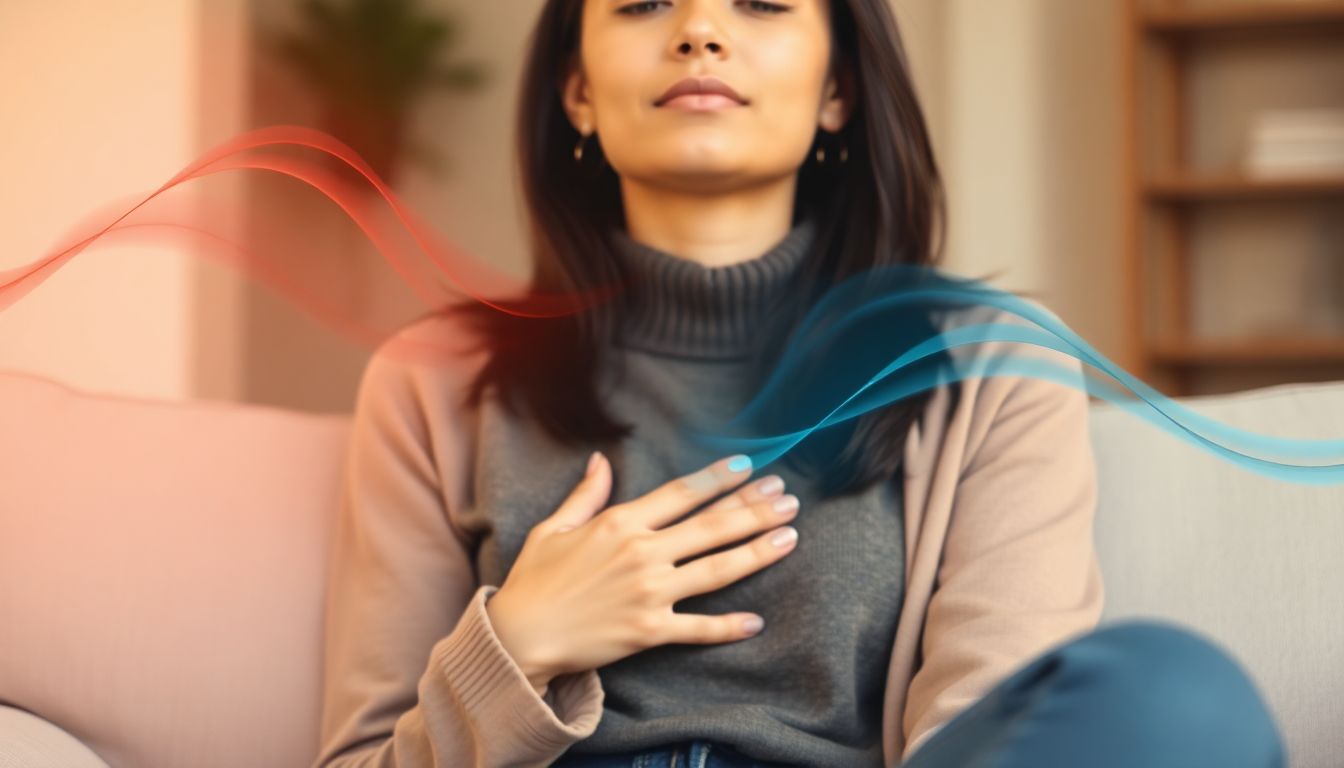
You feel the first tightness in your chest—a subtle squeeze. Then, your breath becomes shallow, quick. You try to take a deep breath, but it feels like you can’t get enough air. Panic whispers: “What’s wrong with me? Is this a heart attack? Am I suffocating?”
The fear spikes. Your heart pounds. Your breathing becomes even more ragged. You’re now trapped in the fear-shortness cycle: anxiety causes difficult breathing, and the sensation of not breathing properly fuels even more intense anxiety.
If you’ve ever felt your lungs “lock up” during stress, you’re not imagining it. This isn’t “all in your head” in the dismissive sense—it’s a powerful, physiological chain reaction happening in your body and brain. The good news? You have the power to break it. This guide will show you the why behind anxiety-induced breathlessness and give you the exact, doctor-approved tools to stop it—starting with your very next breath.
Why Anxiety Steals Your Breath: The Brain-Body Connection
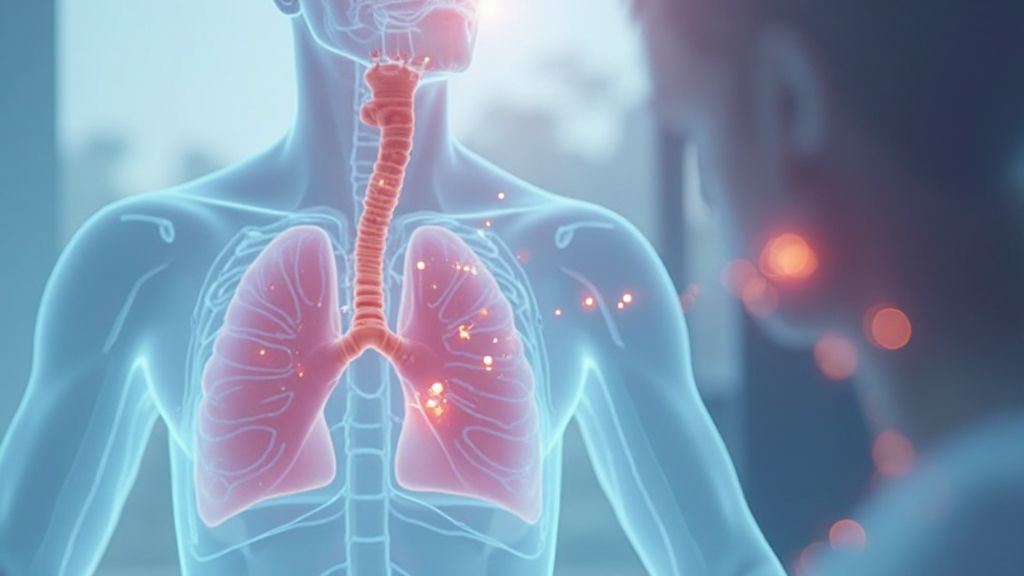
To stop the cycle, you must first understand it. When you perceive a threat (a stressful thought, a memory, a future worry), your brain’s alarm system—the amygdala—triggers the “fight-or-flight” response.
Your body is flooded with adrenaline and cortisol. This brilliant survival mechanism is designed for physical danger, preparing you to run or fight. Part of this preparation involves changing your breathing pattern:
- Your airway passages (bronchioles) dilate to move more air. Ironically, this can initially feel like a “tight” or “raw” sensation.
- Your breathing shifts from slow, deep belly breathing to rapid, shallow chest breathing. This is efficient for quick oxygen exchange in a sprint, but unsustainable at rest.
- You may unconsciously start to hyperventilate, blowing off too much carbon dioxide (CO2).
This is where the critical mistake happens. Low CO2 levels in your blood (from over-breathing) cause blood vessels in your brain to constrict and oxygen delivery to your cells to become less efficient. The symptoms that follow are not from lack of oxygen, but from disrupted blood gas balance:
- Dizziness, lightheadedness
- Tingling in lips, fingers, or toes
- Chest tightness or pain
- A feeling of “air hunger” or needing to yawn
- Heart palpitations
Your brain misinterprets these frightening physical symptoms as proof of imminent danger, sending more panic signals. The loop is sealed: Fear → Rapid Breathing → Low CO2 → Scary Symptoms → More Fear.
It’s a physiological trap, not a character flaw. Recognizing this is your first step to freedom.
The #1 Instant Solution: The 4-7-8 Breathing Technique (The “Neurological Reset”)
When you’re in the thick of panic, you need a simple, actionable tool. Cognitive talk is useless when your nervous system is hijacked. The 4-7-8 technique, pioneered by Dr. Andrew Weil, works because it does three crucial things:
- Forces diaphragmatic breathing, countering shallow chest breaths.
- Extends the exhale, which directly stimulates the vagus nerve—your body’s main “calm down” parasympathetic nerve.
- Restores CO2 balance by slowing the respiratory rate.
How to do it (even mid-panic):
- Sit or lie down. Place the tip of your tongue against the ridge of tissue behind your upper front teeth. Keep it there.
- Exhale completely through your mouth, making a gentle “whoosh” sound.
- Close your mouth and inhale quietly through your nose for a mental count of 4.
- Hold your breath for a count of 7.
- Exhale completely through your mouth (around your tongue), making a “whoosh” sound for a count of 8.
- This is one breath. Repeat the cycle for 4 breaths only. Do not do more than 4 cycles in a row initially.
Why it works mid-cycle: The extended exhale is key. It’s physically impossible to panic when your exhale is longer than your inhale. This technique acts as a direct neurological override for the fight-or-flight response. For more on the power of exhale-focused breathing, see our guide to Pursed-Lip Breathing: How to Stop Shortness of Breath Instantly.
5 Science-Backed Strategies to Break the Cycle for Good
Think of these as both emergency tools and long-term training for your nervous system.
1. The Physiological Sigh (The 2-Minute Calm)
Discovered by Stanford researchers, this is nature’s fastest built-in calm-down mechanism.
- Do it: Take a double inhale through the nose (a short inhale followed immediately by a longer, deeper inhale to fully expand the lungs), then a long, slow exhale through the mouth. Repeat 2-3 times.
- Use it when: You feel the first hint of tension or breath-shallowing. It’s a proactive reset.
2. Grounding with “Box Breathing” (For Mental Distraction)
Used by Navy SEALs to stay calm under fire, this adds a cognitive anchor.
- Do it: Inhale for 4 counts → Hold for 4 counts → Exhale for 4 counts → Hold for 4 counts. Visualize tracing a square with your breath.
- Use it when: Your mind is racing alongside the physical symptoms. The counting gives your anxious thoughts a job.
3. Humming or Chanting (Vagus Nerve Stimulation)
The vagus nerve is the superhighway to calm. Humming vibrates the vocal cords, which directly stimulates it.
- Do it: On your next exhale, hum “OM” or simply hum a low note. Feel the vibration in your chest and throat. Extend the hum as long as possible.
- Use it when: You’re somewhere private, or even quietly in a crowd. This is powerfully effective for nighttime anxiety and coughing fits that wake you up.
4. Cold Exposure (The Systemic Shock)
A splash of cold water on the face or holding an ice pack to your chest triggers the “dive reflex,” immediately slowing heart rate and promoting calm.
- Do it: At the first sign of escalation, splash cold water on your face or place a cold, damp cloth on the back of your neck for 30 seconds.
- Use it when: The cycle is building quickly and you need a strong physical interrupt.
5. Progressive Muscle Relaxation with Breath (Body Scan)
Anxiety tenses muscles, including those used for breathing (intercostals, diaphragm).
- Do it: Lie down. Take a slow breath in, clenching your fists tightly. Exhale slowly, releasing all tension. Next breath, tense your shoulders to your ears, exhale and drop them. Work down the body. This teaches your body the difference between tension and release. For a deeper dive into the mind-body breath connection, explore The Lung-Brain Feedback Loop: Why Calm Minds Breathe Better.
Lifestyle Foundations: Training Your Nervous System to Be Resilient
Daily habits determine your baseline anxiety level. Think of this as “preventive maintenance” for your breath.
- Master Diaphragmatic Breathing Daily: Spend 5 minutes a day practicing Diaphragmatic Breathing when you are not anxious. This trains your default breathing pattern to be calmer.
- Move Your Body (Gently): Regular, moderate exercise (walking, yoga) burns off stress hormones and improves CO2 tolerance. Avoid intense exercise if you’re in a chronically anxious state.
- Address the Gut-Lung Axis: Emerging science on the Gut-Lung Connection shows that gut inflammation can worsen systemic inflammation and anxiety. Support your microbiome.
- Limit Stimulants: Caffeine and sugar can mimic and exacerbate anxiety symptoms.
- Prioritize Sleep: Sleep deprivation is a prime driver of a hypersensitive nervous system.
When to See a Doctor: Ruling Out Other Causes
It is crucial to get a medical evaluation to rule out other conditions. Tell your doctor: “I experience episodes of shortness of breath and anxiety. Can we check to make sure this isn’t related to asthma, reflux, or a heart issue?”
- Asthma: Anxiety can mimic asthma, and asthma can cause anxiety. Is It Asthma or Something Else? explores this overlap.
- Silent Reflux (LPR): Stomach acid irritating the airway can cause chronic throat clearing, cough, and a sensation of breathlessness, triggering anxiety. Learn more in our article on The Silent Reflux-Lung Connection.
- Cardiac Issues: Always rule these out first with a healthcare professional.
A diagnosis of “anxiety” should only come after other physical causes are investigated. This knowledge in itself can reduce fear.
Your Action Plan: Breaking the Cycle, Step-by-Step
In the Moment:
- PAUSE. Acknowledge: “This is the fear-shortness cycle. I am not dying.”
- CHOOSE A TECHNIQUE. Use the 4-7-8 or Physiological Sigh immediately.
- GROUND YOURSELF. Feel your feet on the floor. Name 3 things you see.
- WAIT. The wave of panic is time-limited. Your breathing will recalibrate.
Daily Practice (Prevention):
- Practice diaphragmatic breathing for 5 minutes each morning.
- Incorporate a daily 10-minute walk.
- Before bed, do 4 cycles of 4-7-8 breathing to calm your nervous system.
Remember: Every time you use a breathing technique to navigate anxiety, you are not just calming down in that moment. You are rewiring your brain’s response. You’re teaching your amygdala that the sensations of shortness of breath are not an emergency, and that you have the tools to handle them.
You are not at the mercy of this cycle. Your breath is both the trigger and the cure. Start with your next exhale.
Want a simple, daily routine to build resilient lungs and a calm nervous system? Explore our step-by-step guide: The 10-Minute Daily Lung Maintenance Routine.
FAQs
- Q: Why does anxiety make it hard to breathe?
A: Anxiety triggers your “fight-or-flight” response, causing rapid, shallow chest breathing. This can disrupt your blood’s carbon dioxide levels, leading to symptoms like chest tightness, dizziness, and “air hunger,” which then fuel more anxiety, creating a vicious cycle. - Q: What’s the fastest way to stop shortness of breath from anxiety?
A: The 4-7-8 breathing technique is one of the fastest neurological resets. Inhale for 4, hold for 7, exhale for 8. The long exhale directly stimulates your vagus nerve (your “calm down” nerve) and restores proper breathing rhythm, breaking the panic loop. - Q: Is it anxiety or a lung/heart problem?
A: It’s crucial to see a doctor to rule out conditions like asthma, silent reflux (LPR), or cardiac issues. A key difference is that anxiety-related breathlessness often comes with other panic symptoms (racing thoughts, dread) and can be directly influenced by calming techniques, while other causes may have different triggers. Our guide on conditions mistaken for asthma explores this further. - Q: Can breathing exercises really help anxiety?
A: Absolutely. Controlled breathing is one of the most direct ways to influence your autonomic nervous system. Techniques like diaphragmatic breathing and box breathing send signals to your brain that you are safe, lowering your heart rate and calming the stress response. - Q: Why do I feel like I can’t take a deep breath when anxious?
A: This “air hunger” is often due to over-breathing (hyperventilation), which lowers CO2. Your body’s urge to yawn or gasp is a misguided attempt to correct this imbalance. Slowing your breath rate, especially focusing on complete exhalation, is the real fix. - Q: How does the vagus nerve affect my breathing and anxiety?
A: The vagus nerve is the main component of your parasympathetic (“rest and digest”) system. Slow, extended exhales, humming, and cold exposure all stimulate it, triggering a cascade of calming physiological responses that directly counter the anxiety-driven “fight-or-flight” state. - Q: Can anxiety cause long-term lung damage?
A: While acute anxiety attacks don’t typically cause physical lung damage, chronic anxiety and the associated shallow breathing pattern can weaken respiratory muscles over time and contribute to poor breathing habits. Managing anxiety protects your overall respiratory health. - Q: What should I do if breathing techniques aren’t working during a panic attack?
A: First, don’t fight it—this increases fear. Shift focus externally: name objects you see, feel textures with your hands, or splash cold water on your face. The goal is to distract and ground yourself until the adrenaline wave passes, which it always does. - Q: Are there foods or supplements that make anxiety breathing worse?
A: Yes. Stimulants like caffeine and sugar can mimic or worsen anxiety symptoms. For some, inflammatory foods may also play a role via the gut-brain axis. Focusing on anti-inflammatory foods can support a calmer system. - Q: How can I prevent anxiety-related shortness of breath?
A: Prevention lies in daily nervous system training. Practice diaphragmatic breathing for 5 minutes daily when calm, engage in regular gentle exercise, prioritize sleep, and consider a consistent mindfulness practice to lower your overall anxiety baseline.
Related Articles
- The Lung-Brain Feedback Loop: Why Calm Minds Breathe Better – Dive deeper into the science of how your thoughts directly impact your respiratory function.
- Pursed-Lip Breathing: How to Stop Shortness of Breath Instantly – Master this simple, on-the-go technique for immediate relief when feeling breathless.
- Nighttime Coughing & Anxiety: Stop the 3 AM Fits – If anxiety disrupts your sleep with coughing or breathlessness, this guide is for you.
- Is It Asthma or Anxiety? 5 Conditions Often Misdiagnosed – Understand the crucial differences and overlaps between respiratory and anxiety disorders.
- The 10-Minute Daily Lung Maintenance Routine – Build resilient lungs and a calm nervous system with this simple, sustainable daily practice.

Looking for Natural Support to Calm Your Airways?
While breathing techniques are powerful for managing anxiety in the moment, some people find additional support helpful. Breathe Drops is a doctor-formulated blend of herbs like mullein and thyme, traditionally used to soothe irritated airways and promote a calm, easy breathing rhythm.*
*These statements have not been evaluated by the FDA. This product is not intended to diagnose, treat, cure, or prevent any disease.
Still Have Questions? We Have Answers.
Lung health is complex. If you’re wondering “What about…?” or “What’s next for me?”, you’re not alone. Our Resource Hub is built to be your **first stop for trustworthy, in-depth answers** on every aspect of respiratory wellness.
- Condition-Specific Guides (COPD, Asthma, Post-COVID)
- Step-by-Step Detox & Recovery Plans
- Science-Backed Natural & Conventional Strategies