





Why Back Pain Persists Long After Injury
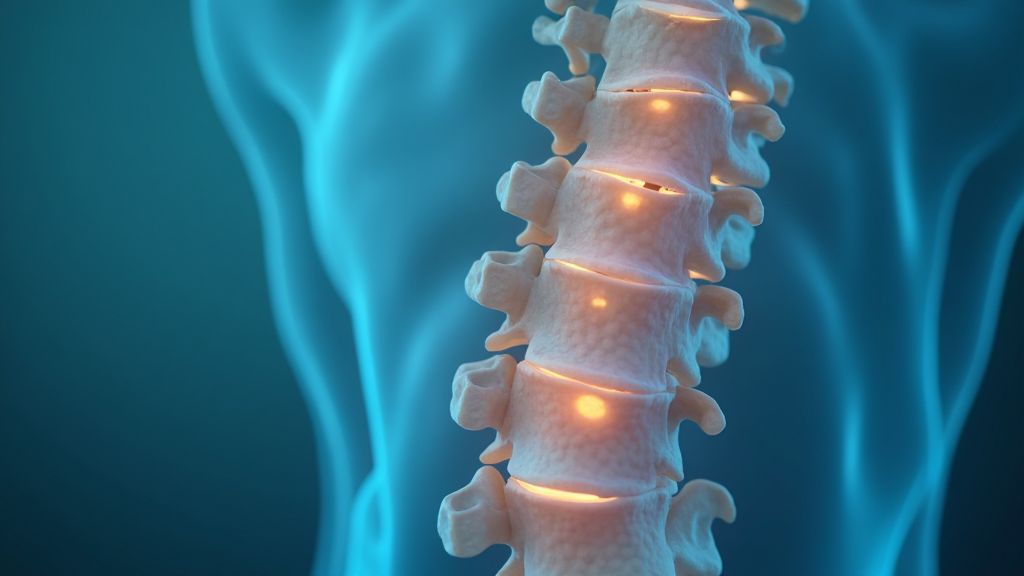
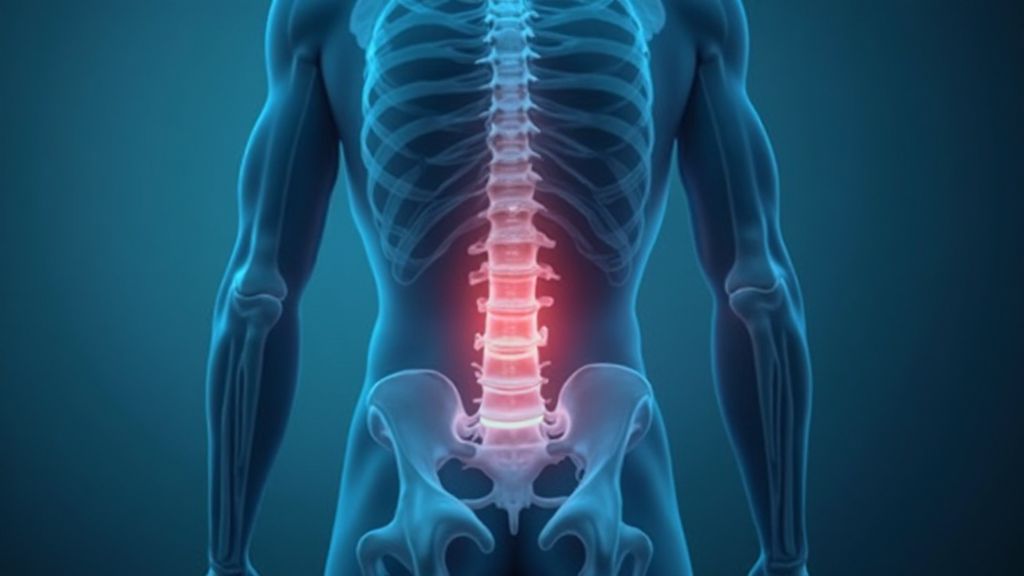
Many people are told that chronic back pain is the result of “wear and tear” or structural damage. Yet a large percentage of individuals continue to experience pain long after tissues have healed—sometimes with little or no visible injury on imaging.
This disconnect is often explained by chronic inflammation and pain sensitization.
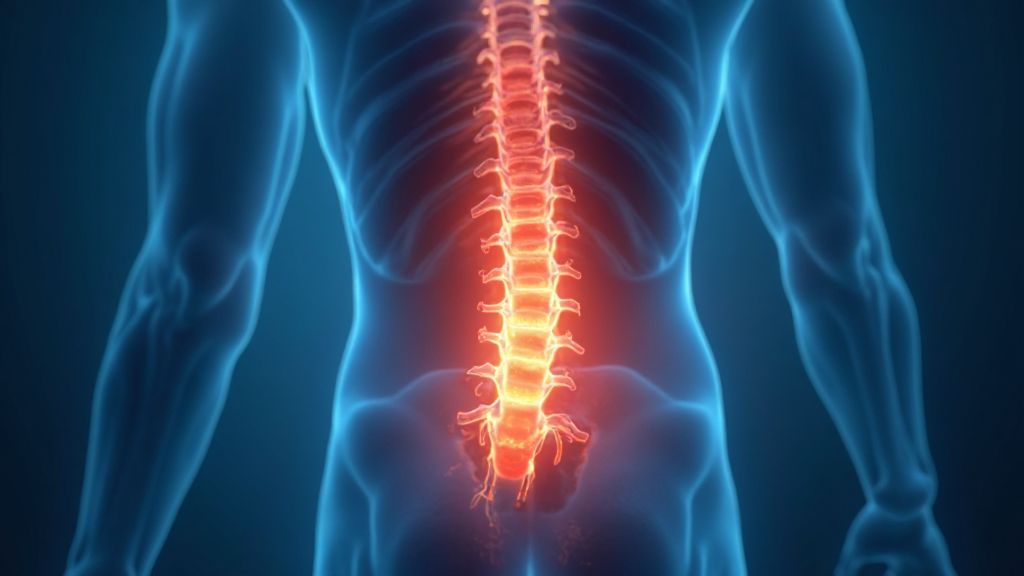
Inflammation does not always cause swelling or redness. In many cases, it operates silently, altering how nerves respond to stimuli and how the brain interprets pain. This is why inflammation is one of the most important—and most overlooked—drivers of persistent back pain.
Explore the Hub: For a full overview of all back pain mechanisms, visit the Back Pain Hub.
What Is Inflammation (and Why It Matters for Pain)?
Inflammation is the body’s natural repair response. In the short term, it is protective and necessary. Problems arise when inflammation becomes chronic and low-grade. Chronic inflammation can:
- Sensitize pain receptors
- Delay tissue recovery
- Increase nerve reactivity
- Lower pain tolerance
In the context of back pain, this means discomfort may persist even when muscles, joints, or discs appear structurally “stable.”
Acute Inflammation vs. Chronic Inflammation
Acute Inflammation
- Triggered by injury or strain
- Temporary and localized
- Resolves as healing occurs
Chronic Inflammation
- Low-grade and persistent
- Often systemic, not localized
- Continues even without injury
Chronic back pain is far more closely associated with ongoing inflammatory signaling than with acute tissue damage.
How Inflammation Amplifies Back Pain
Inflammation affects pain through several mechanisms:
- Increased Nerve Sensitivity: Inflammatory chemicals lower the threshold at which nerves fire, making normal movement feel painful.
- Impaired Tissue Repair: Inflammation interferes with muscle recovery, disc hydration, and connective tissue integrity.
- Central Pain Sensitization: Over time, the nervous system becomes “trained” to amplify pain signals, even in the absence of ongoing damage.
Common Drivers of Chronic Inflammation
Inflammation is rarely caused by one factor alone. Common contributors include:
- Metabolic Stress: Blood sugar instability and insulin resistance promote inflammatory signaling.
- Poor Diet Patterns: Highly processed foods and excess sugar may increase inflammatory load.
- Chronic Psychological Stress: Stress hormones influence immune signaling and pain perception.
- Sleep Disruption: Poor sleep reduces the body’s ability to resolve inflammation.
Inflammation vs. Structural Damage
Many people with disc bulges or degenerative changes experience little or no pain. Conversely, individuals with minimal imaging findings may suffer severe symptoms. This is because inflammation and nerve sensitivity are not easily captured on scans.
Learn More: Structural contributors are explored in the Spine & Disc Pain Guide.
The Inflammation–Nerve Pain Connection
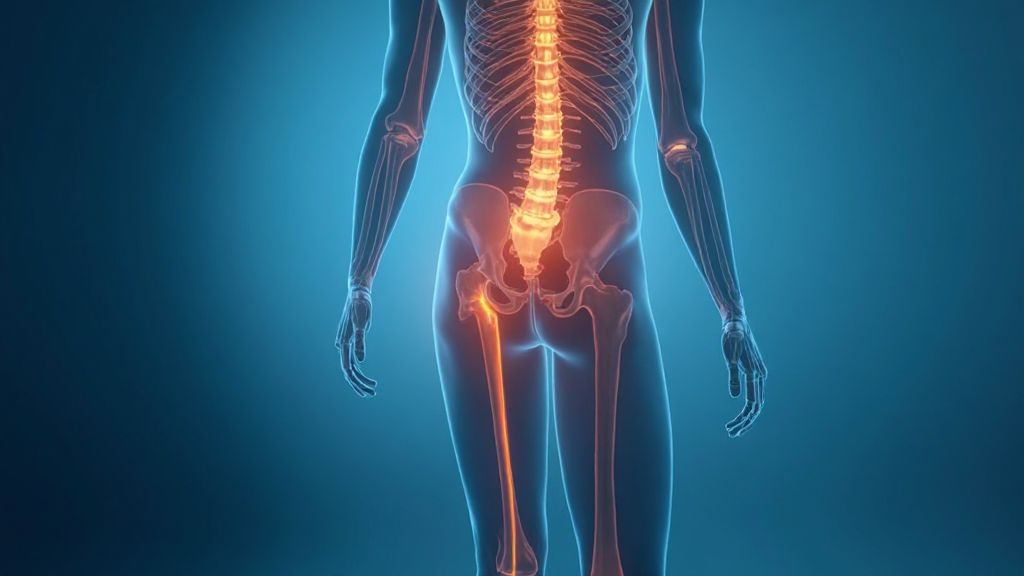
Inflammation plays a central role in nerve-related back pain, including sciatica. Inflammatory mediators can irritate nerve roots and increase electrical firing, which is why sciatica often persists even after mechanical compression improves.
- Related Guide: Sciatica & Nerve Pain
Movement, Inflammation, and Pain Reduction
Appropriate movement helps regulate inflammation by improving circulation and enhancing lymphatic drainage. In contrast, prolonged inactivity can increase inflammatory load. Movement must be graded and appropriate—not aggressive.
- Lower-Body Mechanics: Discussed further in the Lower Back Pain Guide.
Nutritional and Supplement Support (Non-Branded)
While supplements do not replace lifestyle changes, they may help reduce inflammatory burden:
- Omega-3 fatty acids for inflammatory balance.
- Magnesium to reduce stress-related tension.
- Antioxidants that support cellular repair.
Full Overview: See our Back Pain Supplements Guide.
When to Seek Medical Attention
Seek medical evaluation if back pain is accompanied by:
- Unexplained fever
- Rapid neurological changes
- Severe night pain unrelieved by position
- Systemic symptoms such as weight loss
FAQs
- What causes chronic inflammation in back pain?
Metabolic stress, poor diet, chronic stress, and inactivity are common contributors. - Why does back pain persist after healing?
Inflammation and nerve sensitization can maintain pain signals. - Can inflammation cause pain without injury?
Yes. Low-grade inflammation can amplify pain perception. - Is chronic inflammation visible on scans?
Often no. It frequently operates below imaging detection. - Does stress increase back pain inflammation?
Yes. Stress hormones influence inflammatory signaling. - Can diet affect back pain?
Diet strongly influences systemic inflammation. - Are supplements enough to reduce inflammation?
No. They support but do not replace lifestyle changes. - Is movement safe with inflammatory back pain?
Gentle, graded movement is usually beneficial. - Why does pain flare without clear cause?
Inflammation and sensitization lower pain thresholds. - When should inflammatory back pain be evaluated medically?
If systemic or neurological symptoms develop.
Continue Exploring Back Pain Resources
Chronic inflammation often overlaps with mechanical and nerve-related contributors. Use the guides below to understand related systems and support strategies.
- The Complete Guide to Back Pain: Symptoms, Causes, and Natural Support
- Back Pain Hub: Causes, Relief Strategies & Long-Term Spine Health
- Lower Back Pain: Causes, Relief & Prevention Strategies
- Sciatica & Nerve Pain: Causes, Symptoms and Natural Relief
- Spine and Disc Pain: Structural Causes & Natural Support
- Back Pain Supplements: Evidence-Based Support Options
20-second Rub Ritual Relieves 90% Of Back Pain For Years
>> Watch Video

Click here to see exactly how easily you can get rid of the pain and fix all your back problems starting today!