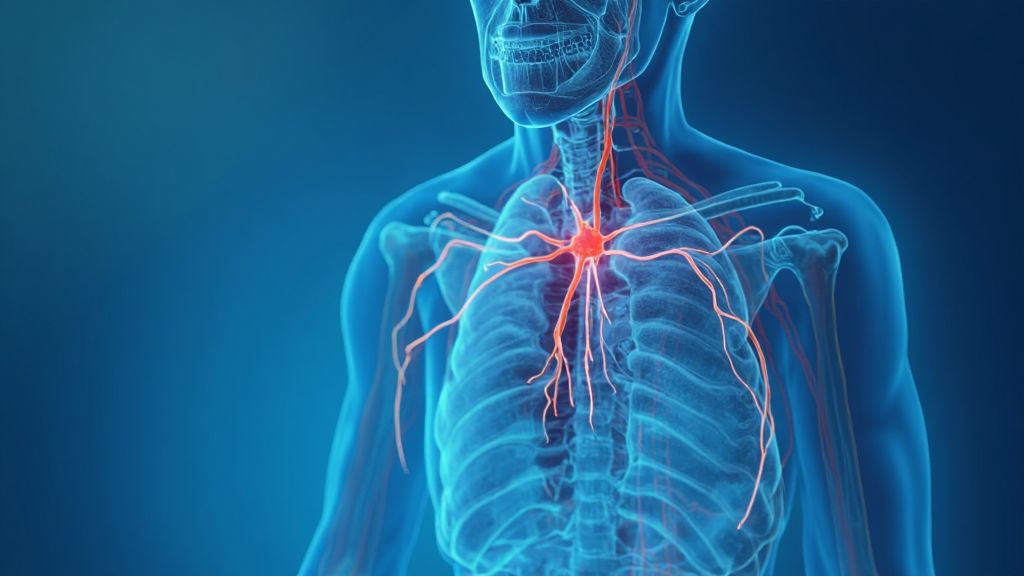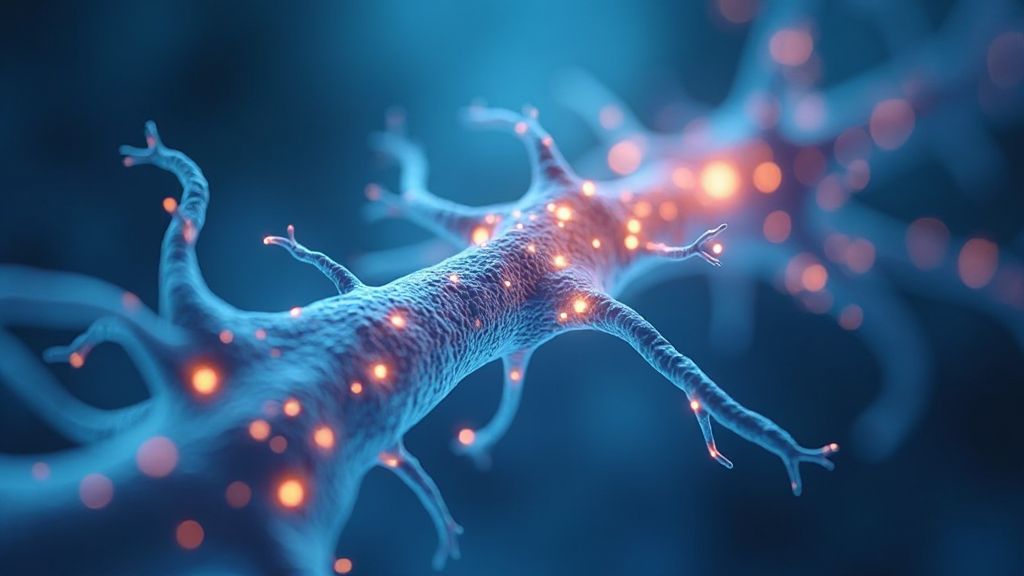






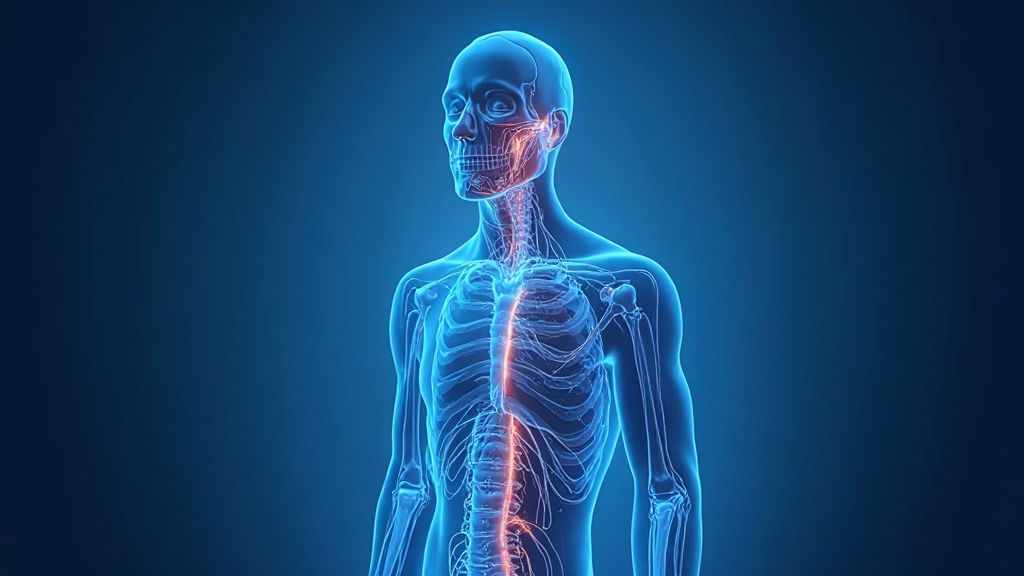
Nerves are responsible for movement, sensation, balance, and vital automatic functions such as heart rate, digestion, and temperature regulation. When nerves function properly, communication between the brain and body is smooth and precise. When nerves become damaged or dysfunctional, symptoms can be subtle at first—then progressively disruptive.
This complete guide to nerve health and neuropathy explains how nerves work, why neuropathy develops, how symptoms progress, and which strategies support long-term nerve protection and recovery.
If you are new to this topic, this page is your starting point.
For the full topic map, see the
Nerve Health Hub:
https://thehealthknowledgebase.com/nerve-health/
What Is Nerve Health?
Nerve health refers to the ability of nerves to:
- Transmit electrical signals accurately
- Maintain protective insulation (myelin)
- Receive adequate blood flow and nutrients
- Recover from stress or minor injury
Healthy nerves allow you to:
- Feel temperature, touch, and pain appropriately
- Move with coordination and strength
- Maintain balance and reflexes
- Regulate internal organs automatically
When nerve health declines, signals become distorted—leading to pain, numbness, weakness, or dysfunction.
What Is Neuropathy?
Neuropathy is a general term for nerve damage or nerve dysfunction. It most commonly affects peripheral nerves—those outside the brain and spinal cord—but can involve sensory, motor, or autonomic nerves.
Neuropathy is not a single disease. It is a pattern of nerve injury with many possible causes.
A focused breakdown is available here:
https://thehealthknowledgebase.com/nerve-health/peripheral-neuropathy/
Types of Nerves Affected by Neuropathy
Sensory Nerves
Control sensation such as:
- Touch
- Temperature
- Pain
- Vibration
Damage may cause tingling, burning, numbness, or hypersensitivity.
Motor Nerves
Control muscle movement and strength.
Damage may cause:
- Muscle weakness
- Cramping
- Loss of coordination
Autonomic Nerves
Control involuntary functions such as:
- Heart rate
- Blood pressure
- Digestion
- Sweating
Damage may cause dizziness, digestive problems, or abnormal sweating.
Common Symptoms of Neuropathy
Neuropathy symptoms often develop gradually and may include:
- Tingling or “pins and needles”
- Burning or electric pain
- Numbness or reduced sensation
- Muscle weakness
- Balance problems
- Pain that worsens at night
- Sensitivity to touch
Early symptoms are often ignored, allowing damage to progress silently.
A detailed symptom breakdown is available here:
https://thehealthknowledgebase.com/nerve-health/peripheral-neuropathy/early-signs/
Major Causes of Nerve Damage
Neuropathy can develop due to multiple overlapping factors.
Metabolic Causes
- Diabetes and prediabetes
- Insulin resistance
- Blood sugar variability
This is the most common cause worldwide.
Learn more:
https://thehealthknowledgebase.com/nerve-health/diabetic-neuropathy/
Nutrient Deficiencies
- Vitamin B12
- Vitamin B1
- Vitamin B6 imbalance
Deficiencies impair myelin and nerve signaling.
Mechanical Causes
- Nerve compression
- Repetitive strain
- Poor posture
- Injuries
Inflammatory and Toxic Causes
- Autoimmune conditions
- Chronic inflammation
- Alcohol
- Certain medications
Peripheral Neuropathy vs Nerve Pain
Not all neuropathy causes pain.
- Some neuropathy causes numbness without pain
- Some causes intense burning or electric pain
- Some causes weakness or balance problems
Nerve pain behaves differently than muscle or joint pain and often requires different management strategies.
Learn more here:
https://thehealthknowledgebase.com/nerve-health/nerve-pain-management/
Can Neuropathy Be Reversed?
Neuropathy outcomes depend on:
- Cause
- Severity
- Duration
- Metabolic environment
General expectations:
- Early-stage neuropathy: often stabilizable and sometimes partially reversible
- Moderate neuropathy: symptoms may improve with intervention
- Advanced neuropathy: focus shifts to slowing progression and improving quality of life
Natural recovery pathways are discussed here:
https://thehealthknowledgebase.com/nerve-health/peripheral-neuropathy/reversed-naturally/
Foundations of Nerve Health Support
Effective nerve support focuses on environment, not just symptoms.
1) Metabolic Stability
Stable blood sugar protects nerves from ongoing damage.
2) Nutrition and Supplement Support
Nerves require specific nutrients to function and repair.
Foundational options are reviewed here:
https://thehealthknowledgebase.com/nerve-health/nerve-supplements/
3) Movement and Circulation
Gentle, consistent movement improves nerve oxygenation and signal stability.
4) Sleep and Recovery
Most nerve repair processes occur during deep sleep.
Learn why here:
https://thehealthknowledgebase.com/nerve-health/nerve-repair/sleep-connection/
5) Stress Regulation
Chronic stress increases nerve sensitivity and inflammation.
When to Seek Medical Evaluation
Seek professional care if neuropathy symptoms:
- Progress rapidly
- Cause muscle weakness
- Affect balance or coordination
- Involve autonomic symptoms
- Lead to injury without pain awareness
Early evaluation improves outcomes.
How to Use This Guide Going Forward
This pillar page connects you to every major nerve health topic:
- For symptoms → Peripheral Neuropathy
- For pain → Nerve Pain Management
- For diabetes-related damage → Diabetic Neuropathy
- For recovery → Nerve Repair & Regeneration
Return to the hub anytime:
https://thehealthknowledgebase.com/nerve-health/
Continue Your Nerve Health Journey
Choose the path that matches your symptoms or goals. These guides will help you understand causes, treatment options, and supportive strategies for long-term nerve health.
Tip: If your symptoms are worse in the feet (burning, tingling, numbness), start with Peripheral Neuropathy. If you have diabetes or insulin resistance, go straight to Diabetic Neuropathy.
✅ FAQs
- What is neuropathy?
A condition involving nerve damage or dysfunction. - What are the first signs of neuropathy?
Tingling, numbness, or burning—often in the feet. - Can neuropathy improve?
Sometimes, especially when addressed early. - Is neuropathy always painful?
No, numbness can occur without pain. - What causes nerve damage most often?
Diabetes and metabolic dysfunction. - Can vitamin deficiencies cause neuropathy?
Yes, especially B vitamin deficiencies. - Do nerves heal slowly?
Yes, regeneration is a slow process. - Is nerve pain different from muscle pain?
Yes, nerve pain behaves differently. - Can lifestyle affect nerve health?
Yes, significantly over time. - Where should I start learning?
This guide, then the hub and pillars.
1 Cause of Nerve Pain (Not Diabetes)

Greek scientists discovered the #1 cause of nerve pain is NOT diabetes, trauma, or diet.
It’s actually caused by these tiny “termite cells”.
These termite cells swarm your nerves and chew through the protective coating – leading to the tingling, burning, and numbness in your hands & feet.
Fortunately, a 5-second morning ritual slashes these termite cells by 82%.
Based on a study published in Nature, this ritual rebuilds strong, healthy nerves.
No smelly cream or gabapentin needed. Try it here: