Stay Informed With Trusted Health Insights
Join 5,000+ readers who receive evidence-informed health articles, wellness tips, supplement reviews, and practical health guides delivered straight to their inbox.
Get Free Health UpdatesNo spam. Just helpful health education, updates, and resources.
Alcohol is deeply woven into social life — family dinners, celebrations, nights out, and weekend relaxation.
But if you’re monitoring your heart health, one important question comes up:
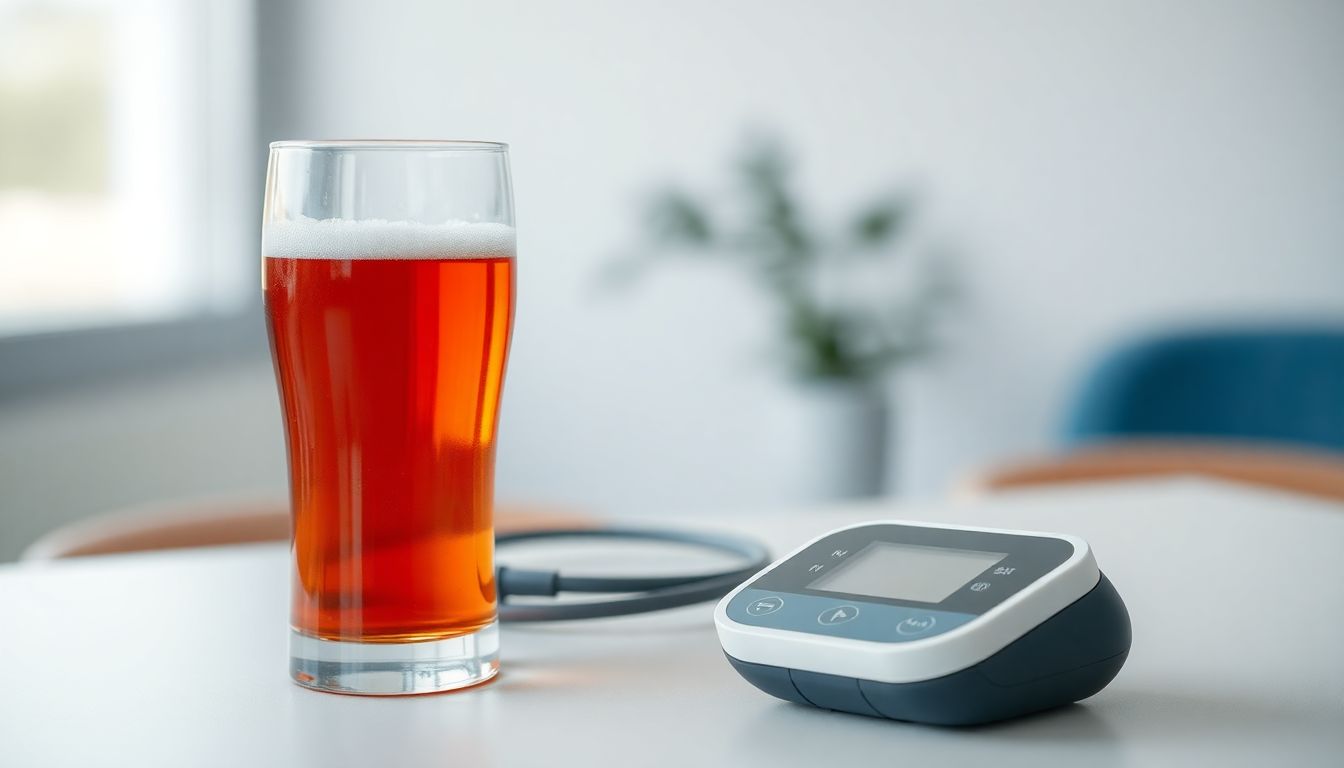
Does alcohol raise blood pressure?
The short answer: Yes — in both the short and long term.
Alcohol can spike blood pressure immediately and contribute to chronic hypertension over time.
In this guide, you’ll learn exactly how alcohol affects your blood pressure, which drinks are riskier, how much is safe, and smart ways to enjoy alcohol without harming your heart.
(Related: Best Drinks to Lower Blood Pressure Instantly)
⚡ Does Alcohol Raise Blood Pressure? (The Quick Answer)
Yes — alcohol raises blood pressure in two ways:
1️⃣ Short-Term Spike
Even 1–2 drinks can increase BP for several hours by:
- Increasing adrenaline
- Narrowing blood vessels
- Speeding heart rate
2️⃣ Long-Term Increase
Regular drinking raises your baseline blood pressure due to:
- Hormonal changes
- Increased inflammation
- Weight gain
- Disrupted sleep
- Higher stress hormones
📈 The Research Says:
- 3+ drinks in one sitting raises systolic BP by 5–10 mmHg
- Heavy drinking increases hypertension risk by 40–50%
- Reducing alcohol intake lowers BP by 4–5 mmHg on average
🍻 How Much Alcohol Is “Safe” for Blood Pressure?
According to the American Heart Association:
✔ Moderate Drinking (considered safe-ish)
- Women: 1 drink per day
- Men: 2 drinks per day
🚫 Heavy Drinking (high risk)
- Women: 3+ drinks per day
- Men: 4+ drinks per day
❌ Binge Drinking (dangerous)
4–5 drinks in 2 hours
This can raise BP 20 mmHg or more.
🍺 Which Alcoholic Drinks Raise Blood Pressure the Most?
1️⃣ Beer
- High in carbs → spikes insulin → raises BP
- Often consumed in large quantities
2️⃣ Wine
- Moderate antioxidant content
- But BP still rises with overconsumption
3️⃣ Spirits (whiskey, vodka, gin, rum)
- Strongest spike in short-term
- Faster absorption → higher BP impact
4️⃣ Cocktails
The worst offenders because of:
- Sugar
- Syrups
- Caffeine (e.g., espresso martinis)
Sugar + alcohol = amplified blood pressure spike.
🛌 How Alcohol Affects Blood Pressure Overnight
Alcohol disrupts sleep, and poor sleep increases blood pressure.
Effects include:
- Decreased REM sleep
- Higher nighttime heart rate
- Elevated morning cortisol
- Increased inflammation overnight
(Also read: Blood Pressure and Sleep: The Hidden Connection)
🍷 Does “Red Wine for Heart Health” Lower Blood Pressure?
You’ve heard the myth:
“Red wine is good for your heart.”
Here’s the truth:
- Red wine contains resveratrol (an antioxidant)
- But not enough to lower blood pressure
- And alcohol itself causes BP to go up
You would need to drink 70+ glasses to get a therapeutic dose of resveratrol.
So NO — red wine does not lower blood pressure.
🧬 Why Some People React Worse to Alcohol
Alcohol can affect your blood pressure more strongly if you have:
- Family history of hypertension
- Diabetes
- Obesity
- High stress levels
- Poor sleep
- Low magnesium or potassium levels
- High-sodium diet
(Also read: What Causes High Blood Pressure?)
🍹 Safer Drinking Tips for Blood Pressure
You don’t have to quit alcohol completely — here’s how to drink smarter:
✔ 1. Drink with food
Slows absorption → reduces BP spikes.
✔ 2. Alternate water with alcohol
This cuts the BP spike by 30–40%.
✔ 3. Skip sugary mixers
Choose soda water, lime, or low-sugar options.
✔ 4. Avoid caffeine + alcohol combos
Pre-workout drinks, rum & cola, espresso martinis = BP disaster.
✔ 5. Take magnesium
Magnesium helps relax arteries.
(Learn more: The Role of Magnesium in Blood Pressure Control)
✔ 6. Stop at 1–2 drinks
Your BP stays stable below this threshold.
✔ 7. Choose low-alcohol drinks
- Light beer
- Low-ABV wine
- Spritzers
- Hard kombucha
📉 Can Cutting Back on Alcohol Lower Blood Pressure?
Absolutely.
Reducing or eliminating alcohol can lower your BP within 1–2 weeks.
Typical improvements:
- 4–5 mmHg reduction in systolic
- 3–4 mmHg reduction in diastolic
- Better sleep
- More stable stress hormones
- Improved weight loss
Even switching to weekend-only drinking results in measurable improvements.
❓ FAQs — Alcohol and Blood Pressure
- Does alcohol permanently raise blood pressure?
Long-term heavy drinking can raise baseline BP. - Is beer or wine worse for blood pressure?
Beer is typically worse due to volume + carbs. - How long does alcohol raise blood pressure?
6–12 hours on average. - Is whiskey worse than wine?
Spirits cause faster spikes. - Can alcohol cause a hypertensive crisis?
Rare, but possible in sensitive individuals. - Is red wine good for blood pressure?
No — antioxidants don’t offset alcohol’s effects. - Does quitting alcohol lower BP?
Yes, often within days. - Can I drink alcohol on BP medication?
Limit or avoid — consult your doctor. - Should I check my BP after drinking?
Yes, but wait at least 12 hours for an accurate reading. - Are alcohol-free beers safe?
Yes — they do not raise BP.
❤️ Final Thoughts
Alcohol affects blood pressure more than most people realize — but with the right habits, you can enjoy a drink without risking your heart health.
Moderation, hydration, and awareness are key.
Your goal isn’t perfection — it’s balance.
(Related Reading: ➡️ Morning Habits That Help Reduce High Blood Pressure ➡️ The Complete Guide to Lowering Blood Pressure Naturally)
Next Step:
Alcohol isn’t the only silent trigger… everyday foods also raise blood pressure without you realizing it.
👉 Read The Worst Foods for Blood Pressure You Should Avoid
📚 Related Articles
- Does Caffeine Raise Blood Pressure?
- Understanding Blood Pressure Numbers
- What Causes High Blood Pressure?

Medically Reviewed for Accuracy
This content has been reviewed for accuracy and clarity by The Health Knowledge Base Medical Review Team, using current research and evidence-based health guidance.
Our review process helps ensure that information related to health, wellness, nutrition, lifestyle strategies, and natural support topics reflects current scientific understanding and responsible editorial standards.
Written by The Health Knowledge Base Editorial Team
Our editorial team consists of health researchers, wellness writers, and content specialists focused on creating clear, practical, and research-informed health content.
We publish educational articles designed to help readers better understand health topics, explore natural wellness strategies, and make more informed lifestyle decisions with confidence.
Affiliate Transparency, Medical Disclaimer & Safety Notice
At The Health Knowledge Base, we take pride in being a trusted resource and affiliate partner with select, high-quality companies. We choose these partnerships carefully because we genuinely believe their products, services, and educational resources align with the values and mission of our website.
When you purchase through certain links on this site, we may receive a small commission or compensation. This helps support our research, content creation, and ongoing work at no additional cost to you. Your price remains exactly the same.
Medical Disclaimer
The information provided by The Health Knowledge Base is for general informational and educational purposes only and is not a substitute for professional medical advice, diagnosis, or treatment.
Always seek the advice of your physician, doctor, or another qualified healthcare provider with any questions you may have regarding a medical condition, symptoms, treatment options, diet changes, exercise programs, or supplements.
Never disregard professional medical advice or delay in seeking it because of something you have read on this website.
Critical Safety Notice
Before making any changes to your diet, starting a new fitness or wellness routine, or taking any supplements mentioned on this site, you should consult with your doctor, physician, or another qualified healthcare professional. Reliance on any information provided by The Health Knowledge Base is solely at your own risk.
View our Affiliate Disclosure → | View our Medical Disclaimer →